
If you are planning dental work in Mexico, the Algodones border is probably at the top of your search results. It is the small crossing that thousands of patients use each year to walk into Los Algodones for implants, crowns, and full smile treatments.
The idea is simple: you drive or fly toward the Andrade Port of Entry, park on the United States side, walk across the Algodones border crossing with your passport, and then reach your clinic on foot. This guide focuses on how that process works when you are heading to Dental Solutions Algodones, so you know what to expect before you even pack your bag.
Quick Answer: How the Algodones Border Works for Dental Patients
In most cases, you get to the Andrade Port of Entry by car, shuttle, or bus, park on the United States side and walk, then enter through the Algodones border crossing with your passport or passport card. After a short, simple check, you step into Los Algodones, walk a few compact blocks, and follow clear directions to Dental Solutions Algodones for your appointment.
Where the Algodones Border Is and Why Dental Patients Use It
The Algodones border connects Andrade, California, with Los Algodones, a small town in Baja California, Mexico, just a short drive from Yuma, Arizona. On the United States side, you have a desert highway, a few parking areas, and the official port of entry. On the Mexican side, you step into a dense, walkable grid of dental clinics, pharmacies, small shops, and street food stands.
For dental patients from the United States and Canada, this crossing is attractive because it turns major treatments into short trips. You can often drive in for a morning appointment and drive home the same afternoon, instead of booking flights and extra hotel nights. Compared with resort cities like Cancun, the Algodones route usually means lower travel costs and more of your budget going directly into treatment instead of airfare and resorts.
Dental Solutions Algodones (DSA) sits inside this “Molar City” environment but works like a modern specialty clinic. Patients choose DSA for complex work such as dental implants, All on 4 cases, veneers, crowns, and full mouth reconstructions, planned for international visitors who need clear timelines and pricing.
The clinic combines significant savings without cutting corners compared with typical United States prices and other Mexican hubs, with state of the art imaging, high quality materials, and a transparent warranty policy on major dental treatments.
Documents and Border Hours: What You Need Before You Drive
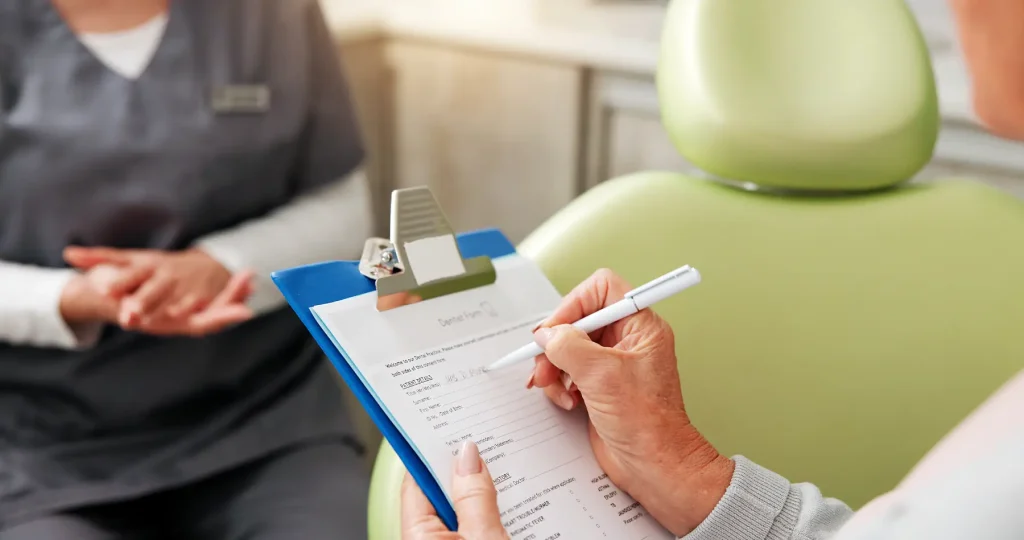
Before you look at maps or hotel options, it helps to know what the Algodones border expects from you. A little preparation here matters because a little preparation makes the trip smoother for everything that comes next.
Passport, ID, and When a Tourist Permit Matters
For most visitors from the United States and Canada, a valid passport or passport card is the simplest way to cross. You will show this document when you walk back into the United States, and in many cases, an officer will ask a few quick questions about where you went and how long you stayed. Keeping your passport easy to reach, not buried in a bag, helps you move through the line with less stress.
If you are only visiting Los Algodones for dental work and staying close to the border for a short time, you usually remain within what is known as the border zone. Some travelers who go deeper into Mexico or stay longer are asked to fill out a Mexican tourist permit, often called an FMM. If you think your trip might be more than a quick in and out, the safest route is to ask the Mexican consulate, check official guidance, or talk with the Dental Solutions Algodones team before you travel so you can arrive with the right expectations.
Algodones Border Hours, Time Zones, and Wait Times
The Andrade Los Algodones port of entry typically operates from early morning until evening, which is enough time for most dental visits and same day returns. Exact hours can shift with policy, staffing, or season, so it is important to check current information from official sources shortly before your trip and treat posted border hours as your hard limit, planning to be back well before closing, not just “right on time.”
Time zones can be confusing if you are not ready for them. The border itself follows California time, while nearby Yuma observes Arizona time, which does not always change for daylight saving. That means a nine o’clock appointment at the clinic does not always match nine o’clock on every phone in your party. A simple fix is to write down the time in both time zones and confirm with the clinic which clock they use. Dental Solutions Algodones can also help you choose appointment slots that make sense with border hours and typical patterns of traffic.
Wait times at the Algodones border are usually shorter when you walk into Mexico and longer when you return to the United States. Midday and late afternoon lines can be slow in high season, especially when many visitors decide to leave at once. If this is your first trip, it is wise to book earlier appointments and leave a buffer of at least an hour or more before closing time, and ask the DSA team what recent patients have experienced.
Driving Documents and Mexican Auto Insurance
One of the reasons the Algodones border is so popular is that you can usually avoid extra vehicle paperwork by parking on the United States side and crossing on foot. When your car stays in U.S. parking, you stay within your normal insurance rules and do not have to buy a separate Mexican auto policy just for a short dental visit.
Driving your own car into Mexico is possible, but it comes with more requirements. You will need valid registration and Mexican insurance for the time you will be in the country. You also need to be comfortable driving and parking in a town you do not know well.
For many first time dental tourists, this extra complexity is not necessary, so they choose to park on the U.S. side instead. If you have mobility challenges or plan a longer stay, you can discuss with Dental Solutions Algodones whether bringing your vehicle across is a better fit and what insurance and documents would be required.
Parking and How to Cross at the Algodones Border
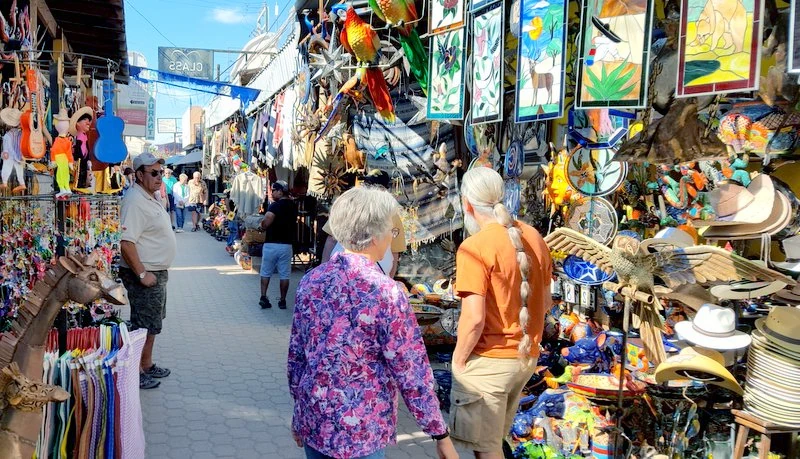
Once you know what documents you need and when the border is open, the next decision is where to leave your car and how you want to cross. Most dental tourists keep things simple by walking, but there are situations where driving across can make sense.
Parking on the U.S. Side (Most Common Option)
The most common option is to park in a lot just north of the border, such as the Quechan-operated parking areas near the Andrade Port of Entry. These lots are designed for day visitors and often have options for overnight or RV parking, with a daily fee that is usually much lower than the cost of an extra hotel night in a big resort city, so they feel like lots just north of the border that are built for exactly this kind of trip.
Parking on the U.S. side keeps your vehicle under your usual insurance, avoids extra paperwork, and places you only a short walk away from the pedestrian entrance. Many Dental Solutions Algodones patients choose this option for its balance of cost, convenience, and peace of mind, especially on their first visit.
Walking vs. Driving Across the Algodones Border
For most people, walking across the Algodones border is easiest. You park, follow the signs to the pedestrian lane, present your documents as required, and then take a short walk into town. The streets just beyond the crossing are full of other visitors, small shops, and clinics, so you quickly see that the whole area is set up for dental tourism.
Driving across can be helpful if you have limited mobility, travel with heavy equipment, or plan to stay for a longer period and explore the area more widely. In that case, you should arrive with a clear plan for Mexican auto insurance, understand where you are allowed to park in town, and be comfortable with local driving rules. If you are unsure which option best fits your health and mobility, the team at Dental Solutions Algodones can help you weigh the pros and cons before you travel, remembering that driving across can help in special cases.
What to Expect on Your Border Crossing Day
Even a short crossing day includes several steps, and knowing them ahead of time makes things calmer. Think of it as a small sequence of checkpoints that lead from your front door to the clinic and back again.
Before You Leave: Quick Checklist
On the morning of your visit, go through a simple checklist. Make sure you have your passport or passport card, any necessary paperwork you have been advised to carry, a payment method that works in Mexico, and the basics of your medical history, including medications, allergies, and past major treatments. Many patients find it useful to keep a printed or digital copy of their Free Virtual Diagnostic summary from DSA, so the treatment plan feels clear from the moment they arrive.
It is also a good idea to confirm your appointment time and border hours the day before. Set your phone clock to the correct time zone, and give yourself extra time for driving, parking, and walking to the crossing so that an unexpected delay on the road does not compress your schedule.
Crossing into Mexico and Walking to the Clinic
When you reach the parking lot near the border, take a moment to secure anything you are leaving in the car, then walk toward the pedestrian entrance. You will follow the signs to the pedestrian entrance, and you may pass through a brief security or customs check. After that, you step out into Los Algodones, where most of the town’s dental clinics and pharmacies sit within a few blocks of the gate.
Dental Solutions Algodones is located within walking distance of the crossing, usually about 2 minutes from the border. Before your trip, the bilingual DSA staff can send a map and GPS pin with written directions so you know exactly where to turn. If anything feels confusing once you are in town, you can call or message the front desk and ask them to guide you step by step until you reach the clinic door.
Returning to the U.S. at the End of the Day
After your appointment, you will walk back toward the border, following the same streets you used to arrive. The line to reenter the United States is usually longer in the afternoon than in the morning, so it helps to arrive with time to spare. Keep your passport easy to reach and be ready for a few short questions from the officer about where you went and what you did.
Some treatments, such as long implant surgeries or procedures that require sedation, can leave you tired or unsteady. In these cases, the Dental Solutions Algodones team may recommend that staying overnight nearby can be easier than rushing to the border. If that is likely for your case, the clinic can suggest local accommodation options and help you plan a schedule that respects both your health and the border’s operating hours.
Is the Algodones Border Safe? Realistic Tips for Dental Tourists
Los Algodones has become a well known dental hub, and most visits are uneventful. The area closest to the border is busy, with many other visitors moving between clinics, pharmacies, and small restaurants throughout the day. As in any tourist destination, common sense and small precautions go a long way.
Keep your valuables close, avoid flashing large amounts of cash, and stay on the main streets around the clinics and central area. Follow any advice that Dental Solutions Algodones gives you about local conditions and ask questions if you feel unsure about anything. By staying aware and prepared, common sense and small precautions go far, so you can focus your attention on your health and recovery instead of worrying about logistics.
Why Choose Dental Solutions Algodones

The Algodones border is popular because it turns major dental care into a manageable trip. You park, walk across, take care of your teeth, and return home with a clearer path forward. What matters just as much is what happens once you step inside the clinic.
At Dental Solutions Algodones, they bring over 12 years of experience in implant and restorative dentistry. The clinic uses state of the art imaging, and works with high quality implant and restorative materials, combined with a clear warranty policy on major work so you understand what support is available after treatments.
To help you decide whether the Algodones border is the right choice for your case, DSA offers a Free Virtual Diagnostic. You can share X-rays and photos, ask questions in English, and receive a proposed treatment plan before you book flights, hotels, or long drives.
Because treatment costs are significantly lower than typical United States prices and often more affordable than other Mexican hubs like Cancun, more of your budget goes into oral health. You end up spending less on travel overhead.
If you are ready to explore whether this route fits your needs, you can Get Your Free Quote or Request a quote, review example prices, and ask about travel and shuttle support. That way, when you arrive at the Algodones border, you are following a plan you already understand, with a clinic that expects you and is ready to receive you on the other side.
Frequently Asked Questions About the Algodones Border
Do I need a passport to cross the Algodones border for dental work?
In most cases, yes. A valid passport or passport card is the simplest and most reliable document for returning to the United States after your visit to Los Algodones.
What time does the Algodones border close?
The Andrade Los Algodones port of entry is generally open from early morning into the evening, but exact hours can change. Always check current information from official sources shortly before your trip and plan to be back at the border well before closing.
Is it better to walk or drive across the Algodones border?
Most dental tourists park and walk, because it avoids Mexican auto insurance and keeps the process simple. Driving across can be useful in special cases, such as limited mobility or longer stays, but it requires more preparation.
Can Dental Solutions Algodones help me plan around the border crossing?
Yes. DSA can explain recent border wait times and suggest appointment hours that fit those patterns, and they can discuss parking, shuttles, and nearby lodging options. This planning is part of the informed, step by step approach they take with every international patient.