If you have ever opened a quote for dental implants, crowns, or full mouth reconstruction in the United States or Canada and felt your stomach drop, you are not alone. Many people in that situation turn to Google and quickly land on the same question: is it safe to have dental work done in Mexico or is that taking an unnecessary risk.
Here is the short version. Mexico can be a very safe place for dental treatment when you choose the right city, clinic, and doctor, and when your case is planned properly. It can also feel risky if you pick a clinic based only on price or walk in off the street without research. This guide walks you through the real benefits, the real risks, and the safety checks that help you decide whether a clinic like Dental Solutions Algodones in Los Algodones fits your plans.
Short answer: is it safe to have dental work done in Mexico?
In general, it is safe to have dental work done in Mexico when you go to a reputable clinic in an established dental hub and you understand your treatment plan. Many Mexican dentists receive specialized training in the U.S. or Europe and hold memberships in organizations like the American Dental Association.
The best clinics invest in trained dentists with clear credentials, strict hygiene protocols, modern imaging such as CBCT scans, reliable labs, and written warranty policies. Mexican clinics often use the same materials and high-tech equipment as U.S. clinics, ensuring the same quality of care. Quality of care in Mexico is held to the same standards as American dentists, with robust safety procedures in place. Many of them, especially in places like Cancun and Los Algodones, are built around international patients who expect clear communication and predictable results.
The problems you hear about usually do not come from Mexico as a country. They come from uneven clinic standards, unclear communication, unknown materials, and a lack of follow up once patients go home. Instead of asking “Is Mexico safe?” a more useful question is “How do I find a safe clinic in Mexico for the treatment I need?” Once you focus on that, the decision becomes much easier to analyse. All dental clinics in Mexico have fluent, English-speaking doctors and staff, making communication easy for international patients.
Why so many patients travel to Mexico for dental work
The main reason people travel to Mexico for dentistry is cost. Patients can save 50% to 75% on dental work in Mexico compared to the U.S. For high value procedures such as dental implants, All on 4, crowns, bridges, and veneers, it is common to see savings of fifty to seventy percent compared with typical United States prices. For example, a single tooth implant in Mexico often starts around $850–$1,500, while the same procedure in the U.S. can cost significantly more. The average cost for a dental crown in the U.S. is $1,200 to $2,000, while in Mexico, it ranges from $200 to $600. A full set of traditional dentures can cost up to $5,000 in the U.S. and about $399 in Mexico. Lower overhead, different fee structures, and a favourable exchange rate all play a part in those numbers.
There are practical advantages too. In major hubs, dental clinics are used to working with patients from the United States and Canada, so staff speak English, understand your records, and design treatment schedules that fit within a single trip or two well planned dental visits. Many people prefer that kind of focussed plan over spreading treatment across many months at home.
Dental tourism in Mexico is especially popular among Americans seeking major dental work due to the significant cost savings and the ability to complete treatment in fewer dental visits.
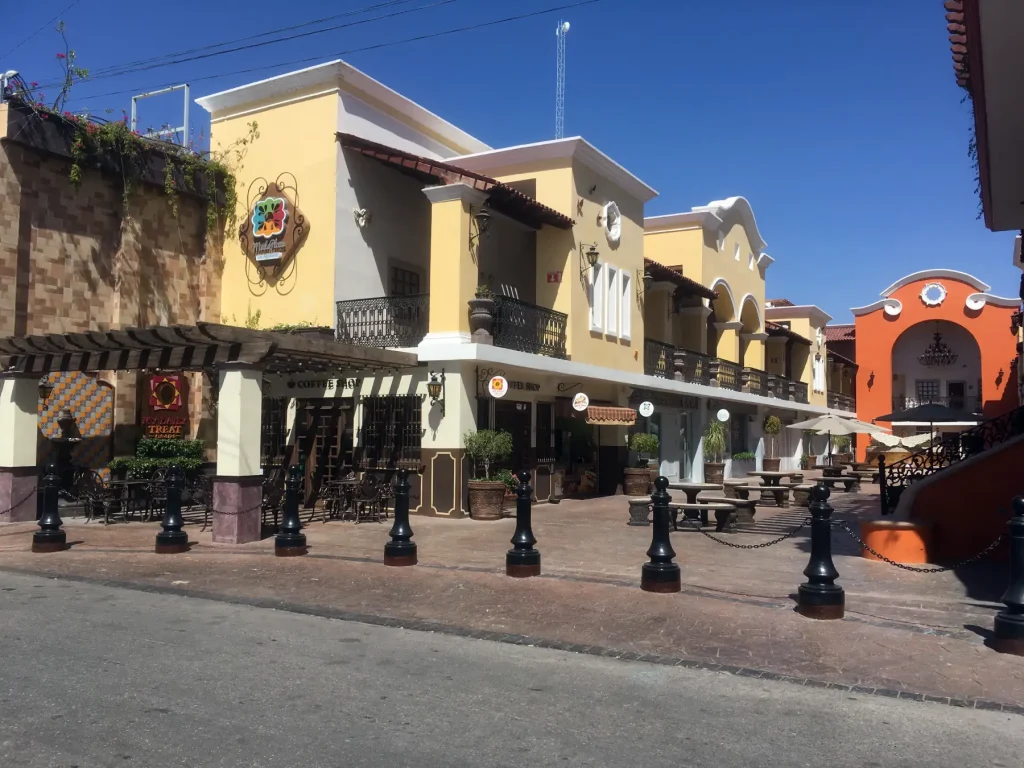
Each destination has its own feel. Cancun is a beach city where people often combine resort time with dental care. Los Algodones, where Dental Solutions Algodones is located, is a compact border town near Yuma and the Andrade Port of Entry.
You can park on the United States side, walk into town in a few minutes, and still enjoy local markets and regional food after your appointments. That compact layout and medical focus help keep overall trip costs lower than in many resort areas.
The real risks of getting dental work in Mexico (and where they come from)

If the benefits are clear, why are some people still nervous about dental work in Mexico. The honest answer is that there are real risks, but they have more to do with how you choose a clinic than with the stamp on your passport. Not all dentists in Mexico are qualified, and many pop-up dentists may not have the necessary credentials, so it is important to verify the qualifications of your provider. Knowing what can go wrong helps you decide whether travelling makes sense for you and how to protect yourself if you do.
Most problems fall into four areas: uneven clinic standards and hygiene, communication gaps, uncertainty about materials and labs, and unclear aftercare once you return home. None of these are unique to Mexico, but they can feel more intense when you are far from your usual dentist and support network. Quality standards may vary significantly between dental practices in Mexico and those in the U.S. or Canada, so not all dentists or doctors will offer the same level of care.
Risk 1: Variable clinic standards and hygiene
Not every clinic follows the same standards. Some practices are modern, well equipped, and organised around strict sterilisation routines. Others may cut corners on cleaning, instrument processing, or staff training. When basic standards slip, the risk of infection or failed treatment rises, whatever the price.
Reputable clinics follow strict sterilization procedures, including OSHA or ISO standards and advanced autoclave technology, to ensure patient safety.
In a safe clinic you should see clean, tidy operatories, staff using gloves and masks, and sealed instrument packs being opened in front of you. Disposable items such as suction tips, cups, and needles should be single use. A reputable practice is usually happy to explain how it cleans and sterilises tools and how it protects patients. The use of high tech equipment and adherence to strict sterilization and disinfection protocols are top priorities for recommended dental clinics in Mexico. If the space looks cluttered, equipment appears neglected, or you see poor hygiene habits, it is reasonable to leave and choose somewhere else.
Risk 2: Communication gaps and language barriers
Even a good treatment plan can feel risky if you do not fully understand it. In some clinics, your dentist may speak limited English or be used to local patients who ask fewer questions. That can lead to confusion about what procedures are planned, how many visits you need, what the risks are, and how long healing will take.
For complex work such as implants or full mouth reconstruction, clear conversation is part of safety. You need room to ask about alternatives, possible complications, and what results are realistic. Clinics that serve international patients every day, like Dental Solutions Algodones, build bilingual staff and written English documentation into their process so you know exactly what you are agreeing to before treatment starts.
Risk 3: Materials, imaging, and labs you know nothing about
Behind every implant, crown, or bridge there is a series of decisions about materials, imaging, and laboratory work. It is important to ask about the dental materials used, as reputable clinics in Mexico use the same materials as those found in the United States, ensuring quality and safety. If you never ask, you may have no idea which implant system is in your jaw, what your new teeth are made of, or whether the lab uses modern tools. Those choices affect how long your treatment lasts and how easy it is for other dentists to work with it later.
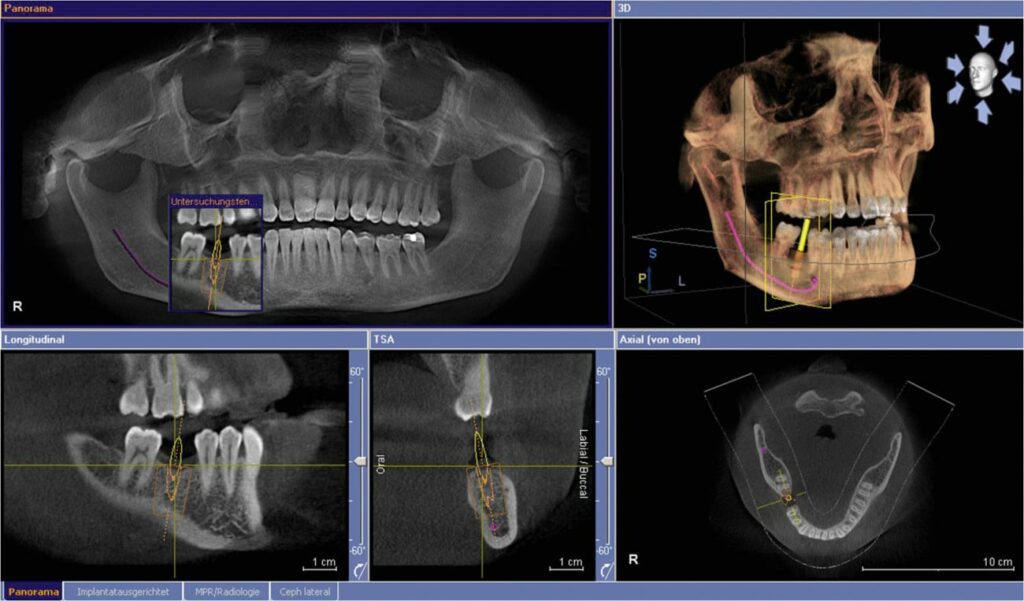
Safer clinics use well known implant systems, rely on CBCT scans and digital X rays for planning, and partner with in house or trusted labs that use CAD CAM technology to design precise restorations.
Many dental clinics in Mexico, such as Dental Solutions Algodones, use the latest diagnostic equipment, including advanced dental x rays and 3D imaging, to ensure precise treatment planning. An in person examination is essential, as it allows the dentist to evaluate the patient’s facial structure, which is crucial for developing an accurate treatment plan and cost estimate. They can tell you which systems and materials they use and why. If a clinic cannot answer simple questions about these basics, that is a sign they may not be working to the standard you expect.
Risk 4: Aftercare, warranties, and what happens once you go home
The last major concern is what happens after you return home. Many worrying stories are less about what happened during treatment and more about the weeks or months that followed. Patients noticed a small problem, such as a bite issue or a chip, and realised they had no clear information about warranties, coverage, or whether they should fly back.
A safer experience starts before any drill or implant is used. The clinic should explain its warranty policy in writing, including how long it lasts and what it covers. You should know when an adjustment can be handled by a local dentist near you and when the original clinic needs to be involved.
At Dental Solutions Algodones, patients receive a warranty overview and follow up instructions so they know who to contact and what to expect if something feels off later. Comprehensive patient care often includes support such as airport transfers, hotel recommendations, and clear instructions for follow-up after services rendered.
How to tell if a Mexican dentist or clinic is safe: a simple checklist
Good and bad clinics exist everywhere. The safest way to protect yourself is to use the same basic checks with any Mexican clinic you consider, whether it is in Cancun, Los Algodones, or another city.
Checklist to avoid most problems with dental work in Mexico:
- Verify doctor credentials and experience.
- Verify that your dentist is licensed by the Ministry of Public Education and appears in the National Registry of Professionals.
- Check the clinic environment, hygiene, and equipment.
- Ask for a written treatment plan and quote before you travel.
- Ask which materials, imaging, and lab standards they use.
- Make sure communication is bilingual and consent is clear.
- Clarify warranties and follow up and how support works from home.
A reputable clinic will answer these questions openly and put key details in writing. If a clinic cannot or will not do that, it is safer to keep looking.
Choosing approved dentists who practice dentistry in Mexico and are committed to quality treatment is essential for a safe experience.
Safe destinations in Mexico: Cancun vs Los Algodones and other hubs
Most international dental patients in Mexico choose a few well known hubs. Cancun and Los Algodones are two of the most popular, and each offers a different kind of trip.
Cancun is a coastal city built around tourism. Many modern dental clinics operate there, and people often combine treatment with time at resorts and beaches. The trade off is that once you add flights, accommodation, and leisure spending, the total cost of the trip can rise, even if the treatment itself is cheaper than in the United States.
Los Algodones, where Dental Solutions Algodones is located, is a compact border town near Yuma and the Andrade Port of Entry, sometimes called “Molar City” because so many clinics sit within a few blocks. Dental clinics in these popular tourist cities cater specifically to foreign dental patients and often meet U.S. health and safety standards, providing reassurance about the quality of care.
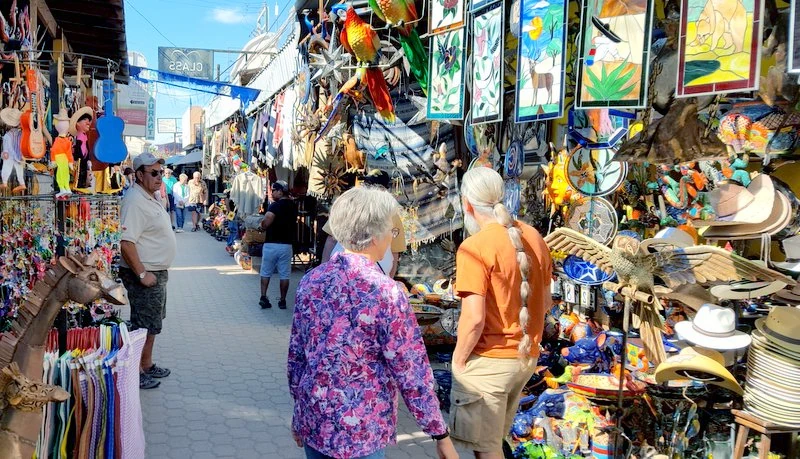
Patients usually park on the United States side, walk across, see their dentist, and still have time to enjoy a typical Mexican town with its markets and regional food. Because the town is so focused on dentistry and overhead is different from a resort city, overall trip costs are often lower than in hubs like Cancun.
Other destinations, such as Tijuana or some cities in central Mexico, also host good clinics. Mexican dental tourism is centered around established hubs and clinics that are experienced in serving international patients. If safety and simple logistics are your priorities, starting with established hubs like Cancun and Los Algodones and then applying the checklist above is usually the most straightforward approach.
How Dental Solutions Algodones makes dental work in Mexico feel safe

All of these ideas become more concrete when you look at a specific clinic. Dental Solutions Algodones is a family owned practice in Los Algodones that focuses on patients from the United States and Canada who want strong savings without feeling like they are taking a gamble on their health.
We use advanced imaging, including CBCT scans and digital X rays, and rely on high quality implant systems and restorative materials produced in reliable labs with CAD CAM technology. The clinic uses modern, high-tech equipment and in-house digital labs to produce perfect dental prostheses, ensuring precise fit and function.
Options include porcelain crowns and advanced implant restoration techniques, with crown placement often completed efficiently during your visit. A Free Virtual Diagnostic and itemised quotes help you understand your plan and expected savings before you travel, while bilingual staff and clear aftercare instructions make it easier to manage both the trip and follow up from home.
Is getting dental work in Mexico right for you?
Travelling for dental work is not for everyone. Mexico can be an excellent option if you are facing high quotes at home, need significant treatment such as implants or full mouth work, and feel comfortable using a safety checklist to choose a clinic in a recognised hub. In that situation, the combination of lower costs, modern facilities, and efficient schedules can make treatment possible when it might otherwise be out of reach.
Dental implants are a permanent solution for missing teeth, but they require ongoing monitoring and attention to your oral health needs. Dental implants require monitoring during the healing process, which typically takes several months, and managing complications or adjustments can be challenging once patients are back home. Proper oral health care and follow-up are essential to ensure the long-term success of your dental implants and maintain your overall oral health.
If you prefer to stay close to your existing medical team or feel uneasy about international travel, local treatment or a different timing may be a better fit. The goal is not to push you in one direction, but to give you enough information to make a confident decision.
Frequently asked questions about the safety of dental work in Mexico
Is it really safe to have dental work done in Mexico?
It can be very safe when you choose a reputable clinic in an established hub such as Cancun or Los Algodones and understand your treatment plan. Safety depends on trained dentists, strong hygiene routines, good imaging, and clear communication, not only on the country where you are treated.
What are the biggest risks of getting dental work in Mexico?
The main risks involve uneven clinic standards, poor sterilisation, unclear communication, unknown materials, and weak aftercare once you go home. These problems are not unique to Mexico, but they feel more serious when you are far from your usual dentist. Using a simple checklist, like the one in this guide, helps you avoid most of them.
Which part of Mexico is safest for dental treatment?
Patients usually feel most confident in recognisable dental tourism hubs where clinics are used to working with international visitors. Cancun and Los Algodones are two of the most popular, with many modern practices and bilingual staff. Los Algodones in particular offers a compact, walkable environment right next to the border.
Is it safe to get dental implants or All on 4 in Mexico?
Yes, many people receive implants and All on 4 in Mexico every year with good results. The key is to work with a clinic that uses proper imaging, proven implant systems, and an experienced surgical and restorative team. When those pieces are in place, the treatment is not inherently riskier than in the United States or Canada.
What happens if I have a problem after I return home?
Before treatment starts, you should receive a written warranty and a clear explanation of how follow up works. Minor adjustments may be handled by a local dentist, while bigger issues might require a return visit to the original clinic. Dental Solutions Algodones explains its warranty coverage and aftercare steps in advance, so you know who to contact and what support is available if something does not feel right later.