You don’t get stronger teeth from one magic product or one dentist visit. It takes daily habits, smart brushing, a balanced diet, and regular dental care. Here is a no-nonsense guide on how to get stronger teeth and keep them that way for the long haul.
- Tooth enamel, once gone, is gone for good. But with fluoride, calcium, and phosphate, and good oral hygiene, you can protect and even remineralize what you have left.
- So start doing it today: brush your teeth at least twice a day with some decent fluoride toothpaste, floss once a day, cut back on sugary and acidic foods, and catch up with the dentist every 6 months or so.
- Habits like smoking, grinding your teeth, and having an untreated dry mouth quietly damage your healthy teeth and gums over time.
- Even if you already have some dental issues, making good oral hygiene a habit every day is essential for strengthening teeth and keeping your remaining teeth healthy and strong.
Know Your Oral Health: What Healthy Teeth Really Look Like
Healthy teeth are those with no cavities, intact tooth enamel, no pain while chewing, and pink, firm, healthy gums that don’t bleed when you brush or floss. Getting a handle on your teeth’s layers helps you see why enamel protection is the core goal of dental health:
- Enamel, the hard outer layer of your teeth, is made up of about 96% hydroxyapatite crystals. It’s the hardest stuff in your body, but once it’s damaged, it can’t grow back.
- Dentin, the layer beneath the tooth enamel, softer and more sensitive than enamel.
- Pulp, the inside bit where the nerves and blood vessels live.
The term “soft teeth” isn’t a real thing. More likely, it means your enamel has been weakened by acid or plaque, not a different kind of tooth.
Early warning signs that your teeth are getting weaker include sensitivity to hot or cold food, visible chips or cracks, translucent edges, receding gums, or getting a lot of cavities. A strong tooth has a smooth, opaque enamel with defined cusps. A weak tooth may have flattened chewing surfaces, yellowing as the dentin shows through, and cup-shaped defects.
Good Oral Hygiene: The Dental Routine That Will Actually Strengthen Your Teeth
Good oral hygiene is the fastest and most reliable way to keep your teeth strong and healthy, at any age. Here’s the lowdown on how to get your teeth clean:
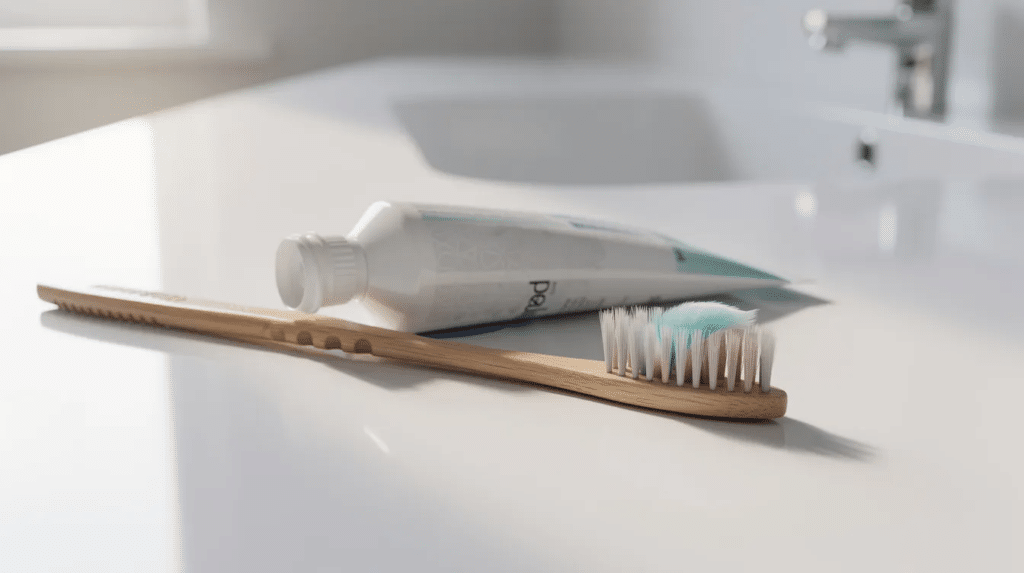
- Brushing: Use a soft-bristle brush and hold it at a 45-degree angle to the gumline. Brush for a good two minutes, twice a day, with some gentle circular motions. Do this every day, and your teeth and gums will thank you.
- Timing: Wait about 30 minutes after eating before you brush. Acidic foods soften your enamel a bit, and brushing too soon can make it worse.
- Flossing: Floss every day to get rid of the plaque and food particles that your brush can’t reach. Flossing removes plaque and stops it from feeding bacteria and causing decay, which protects both your teeth and your gums.
- Tongue scraping can actually help get rid of bacteria and keep your breath fresh if you do it.
- Mouthwash with added fluoride and interdental brushes are handy tools for getting rid of plaque from surfaces that your brush might miss.
- Daily oil pulling may help reduce bad oral bacteria, but it’s not a replacement for brushing.
Change your toothbrush heads every three months or if you’ve been sick, just to make sure you’re still cleaning your teeth properly.
Avoiding Acidic Foods: Eat the Right Stuff to Keep Your Teeth Strong (and Avoid the Bad Stuff)
What you eat all day either puts minerals in your teeth or acids and sugars on them. You need to give your teeth the right nutrition to stay healthy, and it’s more than just cutting out candy.
Foods that are good for your teeth:
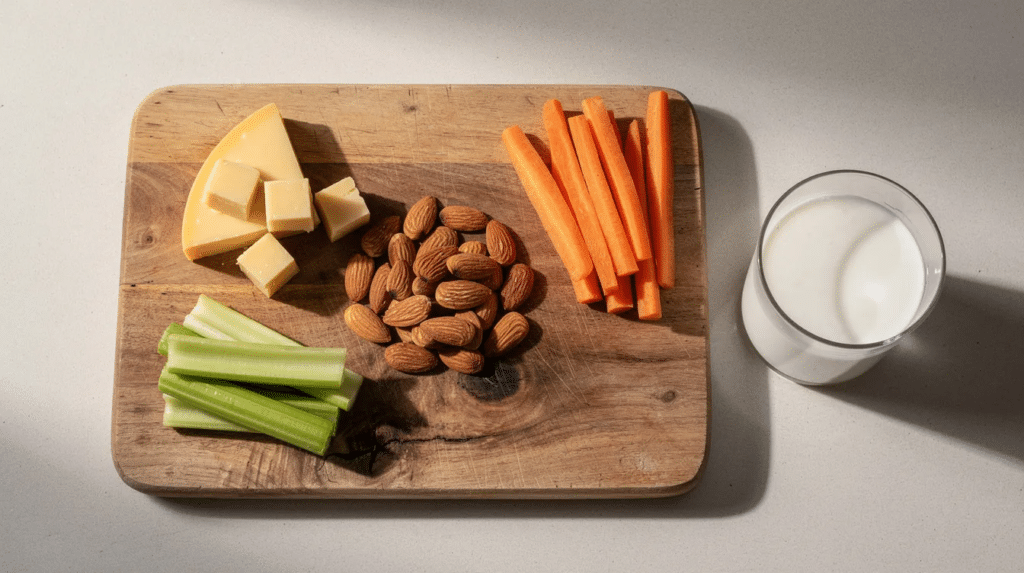
- Calcium-rich foods like milk, yogurt, cheese, tofu, and nuts will do you a world of good for your enamel.
- Vitamin D-rich foods like salmon, fortified milk, and eggs help you absorb calcium, which is a big plus for your teeth.
- Phosphorus-rich foods like eggs, lean meats, and nuts will help strengthen your enamel, too.
- Crunchy fruits and veggies like apples, carrots, and celery all help saliva production, which helps neutralize acids and wash away food bits.
- Leafy greens have vitamin C and calcium that keep your gums in good shape.
The stuff you should limit:
- Sugary foods, sticky candies, and soda just feed bacteria that produce acid. Limit snacks, and you’ll be fine.
- Citrus fruits, tomatoes, wine, and flavored sparkling water can all erode your enamel, so eat them in moderation or rinse with water afterwards.
Drink plenty of water throughout the day to help your saliva production. Water is the ultimate default drink; it washes away food bits, helps your saliva flow, and may even contain extra fluoride, depending on where you live.
Fluoride, Remineralization, and Protecting Enamel
Fluoride gives a big boost to tooth enamel and helps prevent tooth decay by kick-starting a process called remineralization, basically rebuilding the damage that’s started to eat away at your teeth before it becomes a full-blown cavity. Using fluoride toothpaste is the simplest daily habit to take for better oral health.
Everyday sources of fluoride include:
- Fluoride toothpaste (typically with around 1,000 to 1,500 parts per million)
- Fluoride mouthwashes you can use at home
- Community water that’s been treated with fluoride
Fluoride can be recommended by your dentist at check-ups, especially if you have a dry mouth, a history of getting cavities, or you’re wearing braces. You can even pick up fluoride gels and mouthwashes for home use. Some toothpastes contain fluoride plus some other compounds that help strengthen your enamel, like those with calcium-phosphate compounds (like CPP-ACP) in them.
Once a cavity has actually formed, i.e., there’s a hole in your tooth, remineralization just can’t make it go away. You’ll need to see a dentist to get it fixed.
Dry Mouth, Teeth Grinding… Managing Habits and Conditions That Weaken Our Teeth and Lead to Gum Disease
Even if you’re brushing your teeth perfectly, some habits and health conditions will quietly damage your enamel and gums. Here are the main threats and how to deal with them:
- Dry mouth: If you don’t have enough saliva, you’re a lot more likely to get tooth decay and gum disease. Try sipping water often, chewing sugar-free gum to get your saliva flowing, and talk to your dentist or doctor about any medication side effects that might be a contributing factor.
- Tobacco products: Smoking and vaping both significantly increase the risk of gum disease, tooth loss, and poor healing. Cutting down or quitting is one of the best changes you can make for your overall health and your dental health.
- Teeth grinding: Grinding your teeth can cause them to crack and loosen over time. Sometimes people grind their teeth while they’re asleep, or even when they’re awake! If you’ve got morning jaw pain and your teeth are getting worn down, you might be a teeth grinder. A custom night guard from a dentist can help protect your teeth.
- Acid reflux and vomiting: If you’ve got acid reflux or you’re throwing up a lot, that stomach acid’s going to erode your enamel. You’ll need to get your condition under control, but also visit a dentist to get monitored.
- Using your teeth as tools: Using your teeth to open packages can cause enamel erosion, chips, and fractures. And biting your nails can weaken your teeth and make you worried about your smile. Try to avoid both.
Professional Dental Care: Check-ups, Cleanings, and Early Treatment for Dental Problems
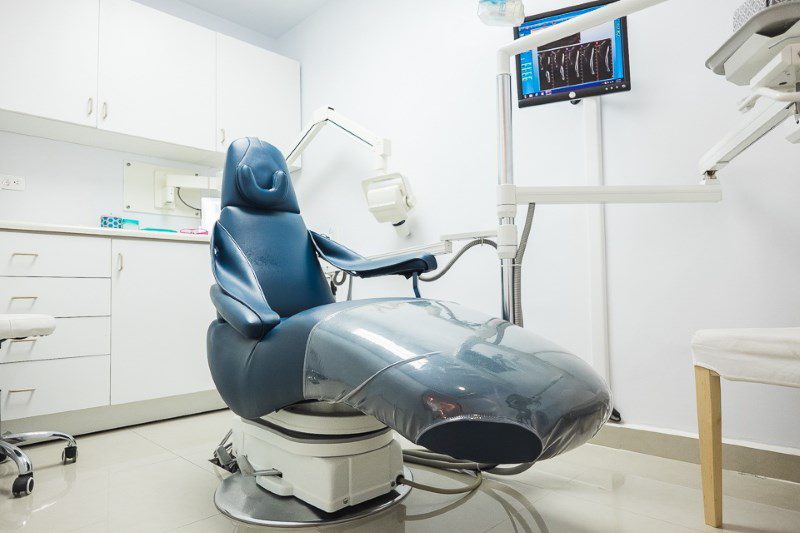
Even with perfect home care, you still can’t replace professional dental visits. Regular visits help your dentist remineralize your enamel and get rid of the bad bacteria that brushing alone won’t catch.
- Your dentist will probably want you to come in for check-ups every six months for optimal oral health. Regular visits can stop tooth decay and gum disease.
- Check-ups include professional cleanings and fluoride treatments that strengthen damaged teeth and protect them from future problems.
- Regular visits help your dentist catch problems early on; they can spot the early signs of enamel erosion, gum disease, and other dental problems before they cause tooth loss.
- Check-ups are also a good way for dentists to check for signs of oral cancer, which is super important for your health.
- Preventive treatments include sealants for deep grooves, fluoride varnishes, and personalized advice based on what makes you most at risk.
If you start to notice any of the following, let your dentist know ASAP so they can stop the problem early: tooth sensitivity, bleeding gums, bad breath that won’t go away, or loose teeth. When the damage is more advanced, you might need restorative treatments like fillings, crowns, or dental implants to keep your bite working.
At Dental Solutions Algodones, we believe prevention is the foundation of lasting oral health. Our team combines experience, ongoing education, and modern technology to deliver comprehensive examinations and personalized treatment plans tailored to each patient’s needs.
We take the time to identify potential concerns early, explain your options clearly, and help you make informed decisions about your care. Through compassionate attention and a commitment to high-quality dentistry, we strive to keep your smile healthy, strong, and confident for years to come.
Long-Term Lifestyle Strategies to Keep Your Teeth Strong for Life
Keeping your teeth strong is a long-term thing. As you get older, your risk of gum recession, dry mouth, and bone loss increases, so it’s a good idea to get into the habit of maintaining a daily routine that’s just as simple as brushing, flossing, and taking a quick look at your teeth and gums.
- Limit your snacking between meals. If you do snack, pick something that’s good for your teeth, like cheese, nuts, or crunchy vegetables.
- Stay hydrated to keep your saliva flowing and prevent dry mouth. This is especially important for older adults and people on a lot of medications.
- Coordinate your dental care with your overall health. If you’ve got diabetes, osteoporosis, or hormonal changes, managing them can help prevent gum disease and support your jawbone.
- Eating a healthy diet rich in calcium, vitamin D, and phosphorus supplements will support both your teeth and bones for your whole life.
Small, consistent habits now will keep your natural teeth strong, reduce dental costs, and give you a healthy smile for decades to come. You don’t have to overhaul your whole routine today, just start with one change and go from there.

FAQ: Common Questions About Getting Stronger Teeth
How long does it take to make my teeth stronger?
Early enamel weakening can begin to remineralise within a few weeks of regular fluoride use and good oral hygiene. You may notice improvements in sensitivity and cavity risk after a few months, but results depend on your dental health, diet, saliva flow, and daily habits.
Can I fix weak teeth naturally without going to the dentist?
Brushing with fluoride toothpaste, flossing daily, and eating calcium-rich foods can help to get rid of food particles, strengthen your teeth, and prevent further damage. However, existing cavities, damaged teeth, and advanced gum disease require professional treatment, so regular dental visits remain essential.
Are some people just born with a bit of a weak tooth setup?
Yes. Genetics can influence enamel thickness, tooth shape, and saliva quality, making some people more prone to tooth decay or gum problems. Even so, if they end up wearing dentures, good oral hygiene, proper nutrition, and routine check-ups can make a significant difference in their overall oral health.
Do mouthwashes really make a difference in making your teeth stronger?
Fluoride mouthwash can support enamel remineralisation and help strengthen your teeth, especially if you’re prone to cavities, wear braces, or have dry mouth. Just remember, it’s meant to complement brushing and flossing, not replace them.
What’s to do if your gums bleed when you try to floss them?
Mild bleeding is often caused by plaque-related inflammation and may improve with gentle daily flossing within a week or two. Consistent flossing helps remove plaque and prevent gum disease before it progresses. However, if the bleeding is persistent or accompanied by pain, swelling, or a bad taste, see your dentist, as these could be signs of more advanced gum disease.