
When you get to a point in life in which you start to look for options to replace missing teeth, it’s natural that you’ll look on the internet for such questions as: “Can you get veneers with missing teeth?” or even just “veneers for missing teeth”. Well, the straight answer is “No”; however, it is not the first answer that matters, but the order in which you tackle things.
Veneers can definitely be part of the plan, but you’ve got to get the first steps right, which are the restorative treatments to replace missing teeth, so your smile ends up looking natural and feeling solid when you chew.
Quick answer: Can you get veneers with missing teeth?
Dental veneers can’t magic up a new tooth because they stick to the front of your existing teeth. If you’ve got gaps in your teeth, the general rule of thumb is pretty simple.
- Replace the missing tooth with a dental implant, bridge, or partial
- Let your mouth get used to the new setup, gums, and bite, and get stable
- Get dental veneers on the adjacent teeth to tie the whole smile together
Why dental veneers aren’t a solution to address missing teeth
Veneers are just a thin shell that covers the front of a tooth to change its colour, shape, or size. That works great when there’s a tooth to stick to, especially when enhancing visible natural teeth, but veneers need tooth structure to work.
A missing tooth is a whole different story: it’s a function and spacing problem, and the natural teeth on either side can start to shift over time. Before anyone even mentions dental veneers, you need a plan to sort out the gap, so your mouth can actually use them.
When can dental veneers fit into your dream smile plan
Having a missing tooth isn’t a death sentence for veneers; in fact, they can be a perfect finishing touch after you’ve sorted out the missing tooth.
Replace whatever natural teeth are missing, get your mouth stable, and then refine the visible teeth so your new smile looks put together rather than pieced together.
The four things that decide your best route
Your dentist will usually consider a few things before recommending dental veneers with missing teeth: replacement or a mix of the two.
- Where is the gap in your mouth
- How many missing teeth do you have?
- The health of the natural teeth on either side of the gap
- Your bite and habits (like clenching or grinding)
Replace the missing tooth first: three common options
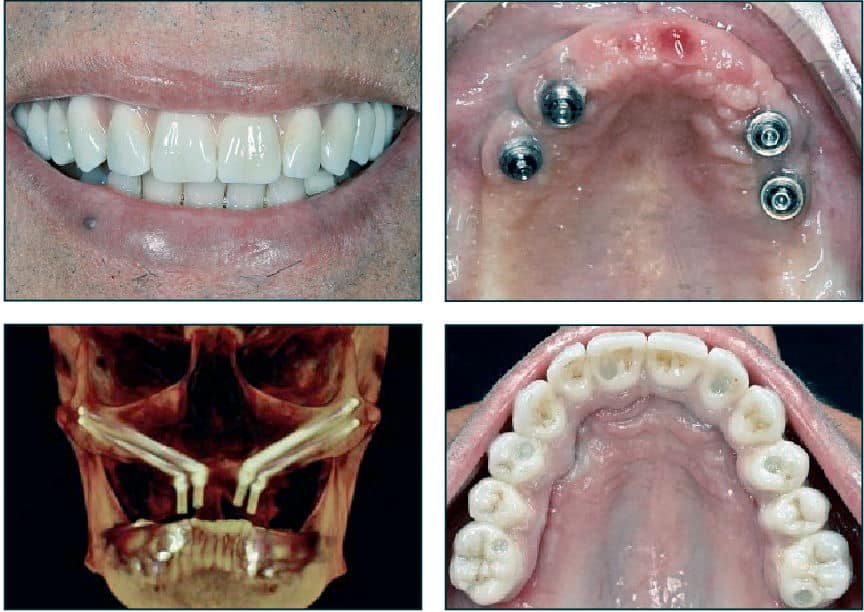
Before you can get veneers, you need to address missing teeth first. The best option for you will depend on your teeth, budget, and timeline.
Dental implant plus a dental crown
A dental implant replaces the missing tooth root, and the crown replaces the visible part of the tooth. Lots of patients like this option because it doesn’t rely on the teeth on either side of the gap to hold it in place.
The timeline can vary, and sometimes there are a few extra steps to take. If you’ve only got one missing tooth, this option often feels like you’ve got your own natural tooth back again.
Fixed dental bridge
A dental bridge replaces the missing tooth by attaching a fake tooth to crowns on the neighboring teeth next to the gap. It’s fixed in place, so it doesn’t come in and out.
The downside is that the teeth on either side of the gap usually need to be shaped to support replacement teeth and hold the bridge, and cleaning under it takes a bit of practice. Cleaning under the bridge really matters.
Removable partial dentures or flipper
A removable partial denture (artificial teeth) can replace one or more teeth and is often used as a temporary measure while you heal. Some people also choose it long-term.
It’s less “set it and forget it” than a dental implant or bridge, but it can sort out the gap quickly and protect your smile line in the meantime.
The typical sequence for combining veneers plus a missing-tooth plan.
Most successful cases follow this order: when the foundation is stable, the cosmetic step becomes a lot easier and more predictable.
- Replace the missing tooth so spacing and function are sorted\
- Make sure gums and bite are stable, and adjust anything that feels off\
- Figure out what shade and shape you want for your smile\
- Put on veneers where you need a bit of refinement, so the whole smile looks good
If you’re getting treatment while traveling, clear communication and practical scheduling become super important.
How veneers work with dental implants or bridges
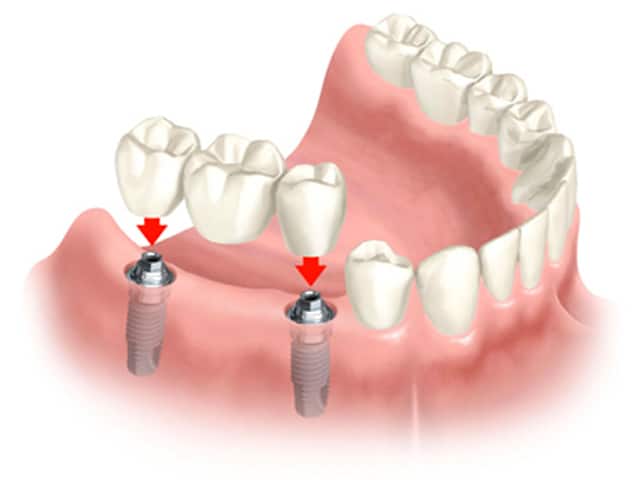
When you combine tooth replacement with veneers, the goal is not just to “fill the space.” It’s to make the whole smile look like it was meant to be together, while keeping the bite comfortable.
If your missing tooth is replaced with a dental implant, crown, or a bridge, veneers can tidy up the edges, close up any minor gaps, or correct shade differences so the replacement doesn’t look out of place.
Materials and lab questions to ask
Most veneer plans will come down to two things: porcelain (ceramic) and composite resin. Porcelain veneers are often chosen for their looks and stain resistance, while composite can be faster and easier to repair in some cases. If you’re comparing clinics, ask these questions in a way that makes sense to you.
- What material do you recommend for my case, and why?
- How will we match the shade if a crown or bridge is involved?
- What happens if I chip a veneer, and how do we fix it?
Imaging and planning that supports accuracy
Good planning is the key to avoiding surprises. When you’re getting veneers, a dentist can use photos, X-rays, or a bite analysis to design a great-looking smile that feels really stable.
If you’re replacing a tooth with an implant, your dentist might use 3D imaging (CBCT) when necessary. For veneers, digital impressions and smile design tools can help you get an idea of how things will look, like how long your teeth will be and if they’re going to look symmetrical.
What to Expect from the Veneer Process, Timeline, Appointments, and Basics
Getting veneers usually starts with a consultation where you and your dentist will go over your goals and get all the necessary records (like X-rays and photos). Then there’s smile design, after that your dentist will need to make moulds and impressions, and finally there’s bonding and any final adjustments needed.
If you’ve got teeth missing, your dentist might recommend filling that gap first before finalizing your veneers. Rushing the cosmetic work is a bad idea; it’s one of the main reasons veneer jobs have to be reworked.
Planning Treatment: What You Need To Know Before You Head to Los Algodones
Lots of patients start with a Free Virtual Diagnostic so they can get an idea of what to expect before they make the trip. If you can send over some recent X-rays, some clear photos, and a quick description of what you want to change, you should get a preliminary plan and a written estimate from the clinic.
Making Travel to Los Algodones Easy
The logistics can be tough to deal with when you’re trying to get to appointments and find a place to stay. That’s why having a clinic that can handle things from bilingual communication to shuttle coordination and a good place to stay makes a big difference.
Why DSA

At DSA, we are a family-run dental office with many high-skilled professionals. Together, they have multiple international qualifications and over 20+ years of experience. We work with top-end technology and use the latest diagnostic methods like Digital Smile Design (DSD), which uses 3D scans and AI to preview smiles before dental work begins.
We also offer a free virtual diagnostic before your initial consultation. This way, we can help you work out what sequence makes sense for you to plan how to get a stunning smile even before you book a trip.
Some Frequently Asked Questions About Veneers
Can Veneers Replace One or Multiple Missing Teeth?
No, you can’t use veneers for missing teeth; they go onto existing teeth, so a missing tooth will need a replacement like an implant crown, bridge, or a removable partial, but veneers can still help out once that gap is filled.
If I’m Missing One Front Tooth, What’s The Usual Order?
Mostly plans follow the order to replace the missing tooth first, then refine the surrounding teeth for a better look and a more even shape, which makes the final result look like it was meant to be, rather than ending up with uneven teeth.
Can a Bridge and Veneers be Done At The Same Time in A Smile Makeover?
Yeah, that’s often doable if you have enough healthy teeth and gums to support it. The main thing your dentist needs to do is design everything so the bridge tooth and veneered teeth all look like they belong together.
Porcelain Or Composite Veneers, Which Are Right For You?
It depends on what you want, how much you’re willing to spend, and what kind of bite you’ve got. Your dentist will need to weigh up the trade-offs between durability, repairability, and how good they look for your specific case.
Get a Free Quote
If you want a clear plan for your smile, start with a Free Virtual Diagnostic. Send over some photos and X-rays, and ask what order to do things in (replacement, veneers, or both) and request a written estimate for your specific case.