
If you’re sitting in a dental office in the US or Canada staring at a bill for a crown, implant, or full mouth work, you’re not alone. Many patients are now looking overseas for more affordable options and discovering that high-quality care abroad can cost much less. Dental tourism has seen significant growth in recent years, driven by rising costs in developed countries, favorable currency exchange rates, and the lower cost of living in popular destinations. Millions of patients participate in the global medical tourism industry each year, seeking quality dental care at a fraction of the cost.
Many people are surprised to discover just how affordable and high-quality dental care can be in popular dental tourism destinations.
The goal is not just to chase the cheapest price, but to look at the whole package: treatment quality, how easy it is to get there, how follow-up will work, and the kind of clinic you choose. International clinics often use the latest technology and high-end materials, providing quality dental care comparable to Western countries. The lower cost of living in these countries allows clinics to offer advanced treatments at lower prices while maintaining high standards.
Why Do Patients Look Abroad for Cheaper Dental Work and Lower Travel Expenses?

Dental tourism is simply traveling to another country for treatment that is more affordable or available sooner than at home. When you are considering big-ticket procedures like implants, All-on-4, or a full mouth reconstruction, the total can quickly reach tens of thousands of dollars. On top of that, insurance may cap benefits or exclude major restorative or cosmetic procedures.
The main things that make dental tourism attractive are affordability, convenience, and access to quality care. For many, the problem of high dental costs at home and the convenience of accessing treatments abroad make dental tourism a practical solution. Some people cannot apply for insurance coverage through programs like the Affordable Care Act, so they seek affordable treatments abroad.
In some countries, the cost of living and the cost of running a clinic are lower, so dentists can offer their services at lower prices without sacrificing quality. Some destinations are also built around international patients, with clinics, labs, hotels, and transport services coordinated for visitors. Still, “cheap” on paper is not enough.
What really matters is where you can get safe, reliable treatment, feel reasonably comfortable during your stay, and have clear support if you need help afterwards. While some patients are willing to bite the bullet and accept certain inconveniences or travel requirements to access affordable dental care abroad, safety is a common concern for individuals considering dental treatments abroad, but many clinics maintain international standards of care. Patients should verify whether the clinic complies with local and international sterilization and safety protocols before undergoing treatment abroad.
It is also important to discuss your dental needs with the clinic and verify the qualifications of the dentists to ensure you receive the best possible care.
What Actually Makes a Country “Cheap” for Dental Work?
Many different factors shape the final price of treatment. Costs can vary significantly between certain countries due to factors like lower wages, operational costs, and government incentives. These include the local cost of living, dentist salaries, taxes, and the cost of importing equipment and materials. Lab work, implant brands, and restorative materials all influence the bill, as do investments in digital imaging, CAD/CAM technology, and specialist training.
The affordability of dental procedures abroad is also driven by lower labor costs, competitive markets, and the availability of high-quality materials and technology. In some countries, dental schools or teaching hospitals may offer lower prices because students perform procedures under supervision as part of their training. In addition, government support through tax incentives and favorable regulations in certain countries actively promotes medical tourism.
You also need to keep an eye on the “hidden” costs that add up around the procedure itself: flights, hotels, food, days off work, and the number of visits you will need. A country that looks inexpensive at first glance can become much more expensive in real life once you add multiple long flights and extended stays. The number of implants needed for your treatment plan can also significantly affect the total price.
The cheapest country for dental work is not simply the one with the lowest advertised prices, but the one where you can receive treatment safely and comfortably, manage your time off work, and get reliable follow-up care. For US and Canadian patients, that usually means choosing destinations that are closer, easier to reach, and transparent about quality standards and aftercare. It’s important to get detailed information about your options and compare detailed treatment plans from clinics to ensure you understand the procedures, costs, and quality of care before proceeding.
Follow-up matters as well. If a crown needs an adjustment or an implant needs checking, it is much easier to return to a nearby clinic or work with a team that offers clear aftercare and remote support than it is to try solving everything from the other side of the world.
Cheapest Countries for Dental Work: A Global Overview
When you see lists of the “cheapest countries for dental work,” you will often find the same names: Mexico, Turkey, Thailand, Costa Rica, Hungary, Poland, India, Colombia, Egypt, and a few others. These are among the top dental tourism destinations and places for dental tourism, including the United Kingdom and Middle Eastern countries, which are known for their affordability and high standards of care. Some countries, such as Thailand and others in Asia, attract patients from Australia and New Zealand seeking affordable, high-quality dental care.
Croatia is an attractive and renowned destination for dental tourism in Europe, offering high standards, affordable prices, and appealing locations like Zagreb and Split.
Vietnam’s dental tourism industry is growing rapidly, attracting international patients with its affordable prices and quality services. The Dominican Republic is also a competitive option for North Americans seeking high-quality dental care at reasonable prices.
Many clinics in these countries have English-speaking staff to assist international patients, making the experience more comfortable and accessible. Some mainly cater to European and UK patients, others are more focused on US and Canadian travelers, and a few are ultra-low-cost but harder to reach.
Understanding who each destination primarily serves, and how easy it is for you personally to get there and back, helps you decide whether it is realistic to include it on your list in the first place.
Mexico: Affordable Dentistry on Your Doorstep

For US and Canadian patients, Mexico is one of the most straightforward options. Mexico is the primary destination for North Americans seeking dental treatments, often offering savings of 70-90% compared to US prices. Clinics in border towns and resort cities routinely treat international patients for implants, crowns, veneers, bridges, root canals, and full smile makeovers.
Upon arrival at a Mexican dental clinic, patients are typically greeted by English-speaking staff and provided with a detailed treatment plan outlining their procedures and schedule. The cost of a single dental implant in Mexico ranges from $850 (with us) to $1,270, a fraction of the price compared to the US. Many clinics also offer all-inclusive packages that provide additional convenience and discount for international patients. In fact, many clinics in Mexico provide all-inclusive packages that simplify travel for dental work, including airport transfers, accommodation, and local transportation. Most leading clinics have English-speaking staff and use the latest technology to deliver excellent results.
The main attraction is a mix of significant savings and short travel times. Many patients can drive to the border or take a short flight and be inside their clinic within minutes. Others fly directly to resort hubs and combine treatment with a holiday, often at a lower overall cost than a similar trip at home.
Mexico has several dental tourism hubs:
- Border towns such as Los Algodones and Tijuana, which focus heavily on international dentistry.
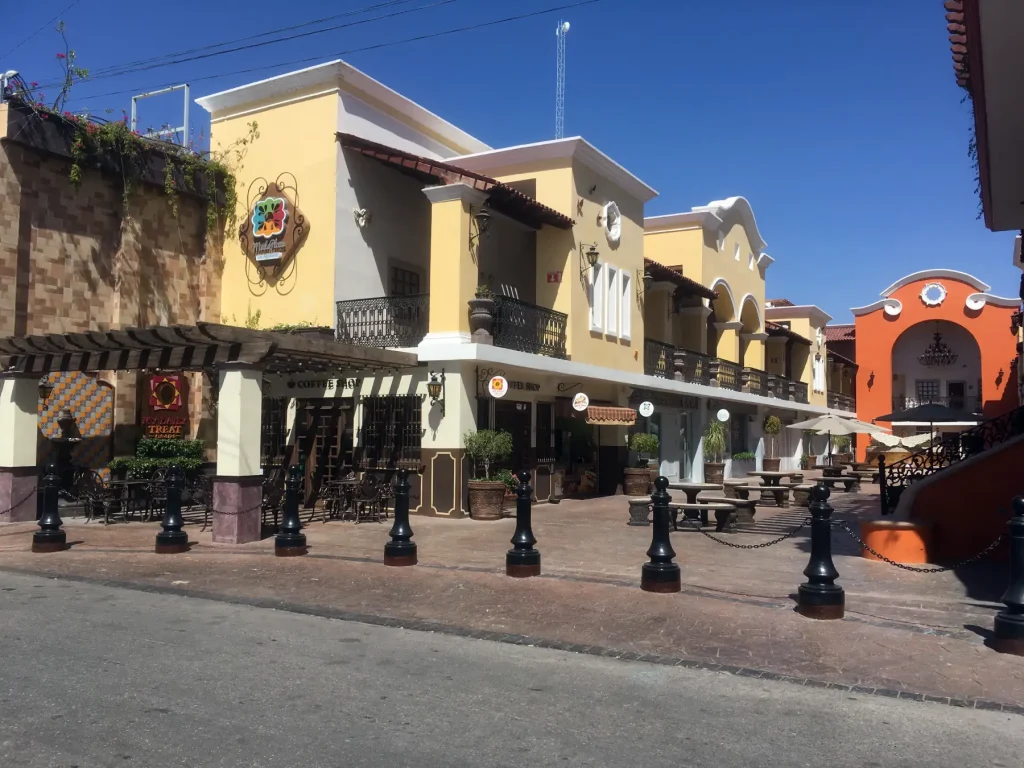
- Resort cities like Cancun and Puerto Vallarta, where you can spend time on the beach between appointments if your dentist says it is appropriate.
- Large cities such as Mexico City, which offer a wide range of clinics and specialists for both local and international patients.
Mexico, especially Los Algodones, will be explored in more detail later on, with clinics like us serving US and Canadian patients with bilingual staff, modern technology, and treatment plans designed to fit shorter trips.
Turkey: Super-Low Prices for European Patients
Turkey is a top choice for dental tourism, especially for patients from the United Kingdom and Middle Eastern countries. It is one of the cheapest and most popular dental tourism destinations for UK and European patients. Many clinics in Istanbul, Antalya, and other cities offer smile makeovers, veneers, implants, and crowns at prices far below Western European norms and often bundle treatment with hotel stays and tours. Dental implants in Turkey range from $400 to $1,000 per implant, significantly lower compared to Western countries.
Many clinics also provide all-inclusive packages that simplify travel for dental work. The experience and qualifications of Turkish doctors, who often have advanced training and high procedure volumes, contribute to the country’s reputation for high-quality dental care.
For North American patients, however, Turkey is less practical. Long flights, higher travel costs, and significant time zone differences make it harder to justify for a short, treatment-focused trip. It can still be worth considering if you are planning a longer stay or a broader trip to the region, but Mexico is usually more convenient for quick visits from the US or Canada.
Thailand: Dental Work Plus an Asian Holiday
Thailand is a well-known medical tourism destination, attracting over 3 million medical tourists annually, many of whom seek dental implants at competitive prices. Patients often combine dental treatment with leisure activities or tourism experiences in Bangkok, Phuket, Chiang Mai, or other cities, taking advantage of the convenience and attractive deal of bundling dental procedures with travel.
Dental implants in Thailand are priced competitively, typically ranging from $750 to $2,300 for individual implants, similar to prices in Turkey. Clinics that serve international patients promote modern facilities, multilingual staff, and competitive prices for implants and cosmetic work.
For travelers based in North America, though, the distance is significant. Very long flights and large time zone changes mean that Thailand is rarely ideal for a visit that is purely about dental care. It can make sense if you are already planning an Asia trip, but less so for a short, dentist-only holiday from the US or Canada.
Costa Rica: A Latin American Favorite for Some US Patients
Costa Rica appears frequently on lists of affordable dental destinations. Costa Rica is known for its high healthcare standards and quality dental care, making it a popular choice for international patients. Clinics in and around San José offer implants, crowns, veneers, and full smile makeovers, and many clinics have English-speaking staff to assist international patients. Many patients like pairing treatment with eco-tourism and nature-focused activities.
US patients generally fly in rather than drive, but travel times are still manageable. Prices are often a lot lower than at home, though not always the absolute lowest in Latin America. Costa Rica is a good fit if you want a smaller-city, nature-oriented trip, but it is less convenient if your priority is a quick border visit.
Eastern Europe (Hungary, Poland, and Others): Focus on EU and UK Patients
Hungary, often referred to as the ‘Dental Capital of Europe’ due to its dental expertise, along with Poland and several other Eastern European countries, have strong reputations as affordable dental hubs for EU and UK residents. Clinics in cities like Budapest and Warsaw specialise in implants, bridges, and complex restorative work, with short flights, familiar regulations, and local financing options that appeal to European patients. Dental implants in Hungary typically cost between €700 and €1,200. These clinics are known for employing dentists with high qualifications and for using high-end materials, ensuring a high standard of care for international patients.
For North Americans, the picture is different. Longer journeys and multiple time zones make these destinations less practical for short trips, even if the treatment itself is reasonably priced.
India, Colombia, Egypt, and Other Ultra–Low-Cost Options
India, Colombia, Egypt, and similar countries can offer some of the lowest procedure prices in the world. India is a top choice for affordable dental implants due to its low cost of living. Dental implants in India can cost between $355 and $830 for single implants. The country is known for its vast network of dental clinics with experienced doctors who perform procedures for international patients. Many Indian clinics have English-speaking staff and a tradition of dental care spanning many years. Big-city clinics may be well equipped and experienced with international patients, which helps keep quality high despite low prices.
However, ultra-low prices often come with trade-offs: long flights, visas, language barriers, and unfamiliar healthcare systems. If something goes wrong or you need a second visit, the distance can be a serious challenge. For many US and Canadian patients, countries closer to home with solid savings and simpler logistics, especially Mexico, feel safer and more manageable overall.
Example Cost Comparisons by Country (and Why They Only Go Part of the Way)

“Average cost” tables for implants, crowns, and veneers by country can give you a rough idea of what you might save. For example, the cost of dental implants in the United States ranges from $3,000 to $5,000 per implant, which is why many patients look abroad for more affordable options. Patients can save between 50% to 70% on dental procedures abroad compared to prices in North America or Western Europe. Mexico, Turkey, Eastern Europe, and several Asian or Latin American countries usually show significantly lower prices than the US, Canada, or the UK for major treatments.
The quality of dental care in these countries is often comparable to, or even better than, that in most Western countries due to affordability and advanced clinics.
However, averages do not reflect your specific case, the materials your dentist recommends, or additional procedures such as bone grafts or sinus lifts. They also do not include your personal travel reality. Factoring in travel expenses is crucial, as a country that looks a little cheaper than Mexico on a chart may require several long flights and many more hotel nights, which can quickly eat into those savings. Always compare the total amount you will pay, including both dental and travel costs, to get a true sense of affordability.
Use these comparisons as a starting point, not a final answer. Real planning should be based on a quote from a clinic that has actually reviewed your X-rays, photos, and goals.
When considering the cheapest countries for dental work, it’s important to compare results from different clinics and destinations, looking at before-and-after photos and patient testimonials. Bank on reliable clinics and detailed treatment plans to ensure the best outcomes and maximize your savings.
From there, you can see why Mexico often offers the best overall balance for US and Canadian patients and how destinations like Los Algodones, with clinics such as Dental Solutions Algodones, fit into that bigger picture.