
If your dentist says you need a dental bridge, you probably heard them mention two types: a temporary bridge and a permanent bridge. Although the names sound similar, they do not by any means do the same thing.
A temporary dental bridge is a stopgap solution, used for a short period while your actual, custom-made bridge is being fabricated. A permanent dental bridge, on the other hand, is the real thing, a custom restoration specially designed to improve your oral health and restore your smile, designed for everyday chewing, appearance, and to prevent further dental complications in the long run.
Temporary Dental Bridge vs Permanent: The Short Answer
A temporary bridge is just a temporary fix to get you through the waiting period while a permanent bridge is being crafted. It protects the teeth that have been prepared for the final bridge, fills in the gaps, helps maintain proper alignment, and helps with comfort when eating or speaking. Unlike a permanent bridge, which is custom-made for long-term durability and appearance, a temporary bridge is only good for a short time and can’t withstand years of chewing and biting pressure. Ultimately, the best option for you depends on factors like how many teeth are missing, the overall health of your supporting teeth and gums, the shape of your bite, and the materials used in your final restoration.
What Is a Temporary Dental Bridge?
A temporary bridge is essentially a placeholder used while a permanent bridge is being made. It fills the gap left by missing teeth, safeguards the prepared teeth, and makes eating and speaking a bit easier. Temporary bridges are usually made from a type of plastic or resin and are only meant to last a short while; they aren’t built to be strong or durable like a permanent bridge. They also help maintain a decent appearance, stop food from getting stuck in the gap, and keep the space between the adjacent teeth protected until the final restoration is ready.
What Is a Permanent Dental Bridge?
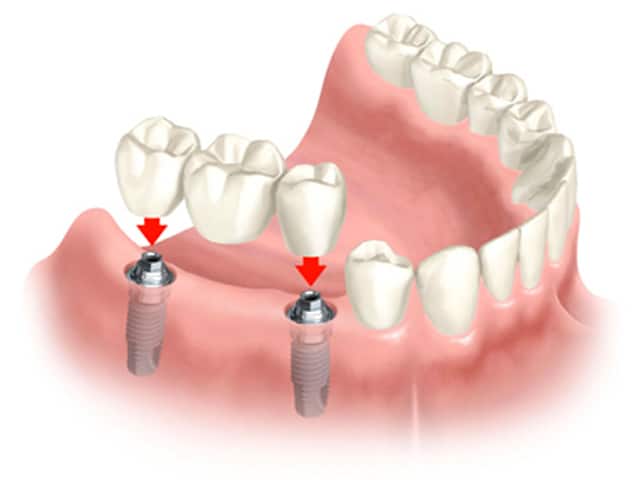
A permanent dental bridge is a custom-made restoration designed to replace one or more missing teeth for the long haul, to restore functionality, appearance, and comfort. It consists of an artificial tooth (pontic) supported by natural teeth or dental implants on either side of the gap. A permanent bridge is crafted from durable materials like porcelain, ceramic, zirconia, porcelain-fused-to-metal, or metal, and is carefully fitted and adjusted around the remaining teeth to ensure a comfortable bite, healthy gum contact, and a natural-looking match with your adjacent teeth.
Why Are Temporary Bridges Relevant For the Permanent Dental Bridge Procedure?
A temporary bridge is used to give your mouth some protection while the permanent bridge is being built. In many cases, your dentist will first prepare the supporting teeth, take some impressions or digital scans, and send them off to the dental lab for fabrication.
While you’re waiting for your permanent bridge, your prepared teeth may feel a bit sensitive without a covering. The gap can also affect appearance, speech, or how well you can chew. A temporary bridge helps you get through that stage a lot more comfortably.
It also gives the dentist some time to craft a more accurate permanent bridge. The final restoration needs to fit your bite perfectly, match your smile, and sit comfortably around your gums.
A Temporary Bridge Keeps Your Mouth Safe While You Wait For The Permanent Solution
A temporary dental bridge helps protect the prepared teeth from sensitivity caused by air, temperature changes, or food contact while your permanent bridge is being built. It can also help improve appearance by filling a visible gap and keeping a natural-looking smile during the waiting period. While a temporary bridge may make eating and speaking a bit easier, it’s not designed to withstand heavy chewing, so you should avoid hard or sticky foods to prevent it from getting damaged.
A Permanent Bridge Is A Lasting Solution Built for Everyday Use
A permanent dental bridge is designed for long-term daily use, to restore chewing function, keep your bite stable, and replace missing teeth with a natural-looking appearance. Compared to a temporary bridge, it’s made from stronger materials and customised to fit perfectly, for both comfort and function. Your dentist will carefully adjust the bridge to make sure it feels even and works properly with your bite. With good oral hygiene, regular dental visits, and proper care around and under the bridge, a permanent bridge can last for many years.
The Key Differences Between Temporary and Permanent Dental Bridges
The main difference is the purpose of each. A temporary dental bridge is just a temporary solution to protect your mouth while you wait. A permanent dental bridge, on the other hand, is designed to be your long-term tooth replacement.
| Feature | Temporary dental bridge | Permanent dental bridge |
|---|---|---|
| Purpose | Short-term protection | Long-term replacement |
| Materials | Acrylic or resin | Porcelain, ceramic, zirconia, or metal alloys |
| Fit | Basic fit for temporary use | Custom fit for bite and comfort |
| Strength | Less durable | Built for daily chewing |
| Appearance | Natural enough for the waiting period | More polished and shade-matched |
| Lifespan | Days or weeks | Years with proper care |
A temporary bridge may look a bit bulkier or less smooth because it’s not the final version. A permanent bridge is designed with a lot more detail, especially around bite, shape, shade, and gum fit.
Materials and Durability
Temporary bridges are usually made from materials that can be quickly shaped. This is a useful convenience during treatment, but it also means that they are more likely to crack, become loose, or wear down if you treat them like they’re actually a permanent tooth.
Permanent bridges use stronger materials like porcelain, ceramic, zirconia and or porcelain fused to metal, which are popular choices because they can handle regular chewing while also looking pretty natural.
Comfort, Fit, and Aesthetics
Temporary bridges can make a big difference for comfort while you wait, but they probably won’t feel perfect. They may be a bit rough, thicker, or less precise around the gum line.
But a permanent bridge should feel a lot more solid once it’s been properly adjusted. The dentist checks to see if your bite feels level, if the bridge sits comfortably and if the colour looks right with the surrounding teeth.
How to Care for a Temporary Bridge While You Wait
Temporary bridges need to be treated carefully. Try to avoid really hard foods, sticky candies, chewing gum, crusty bread & anything that could potentially pull the bridge right out of place.
Chew on the other side when possible. Brush gently around the temporary bridge & follow the dentist’s instructions for cleaning it. If it’s allowed to floss, do it carefully rather than tugging upwards.
If the temporary bridge starts to come loose or falls out, call your dentist. Do not use household glue to try to fix it; it can end up damaging your teeth, gums or the bridge.
When to Call Your Dentist
Call your dentist if the bridge feels loose, cracks, falls out, starts to hurt or causes your bite to feel uneven. You should also call if you notice swelling, a bad taste, bleeding gums or sensitivity that just gets worse and worse.
Temporary might not mean unimportant, though. Taking care of the temporary bridge helps make sure the final result turns out okay.
Getting a Dental Bridge in Los Algodones Can Be a Pragmatic Choice
Los Algodones is a pretty popular destination for U.S. & Canadian patients because it offers easy border access, efficient appointments & lower prices compared to the U.S. It’s also often a more sensible option for just a focused dental visit.
At Dental Solutions Algodones, our patients can get clear advice on temporary and permanent bridge options as part of a clear treatment plan. We offer bilingual staff, clear communication, state-of-the-art equipment & materials & support with shuttles, logistics & even hotel reservations.
The trip can also be a lot more manageable. Los Algodones has the feel of a typical Mexican town with local markets, shops & regional food right next to many of the dental offices.
When to Ask for a Quote or Consultation
You might want to ask for a consultation if you have missing teeth, a loose old bridge, cracked crowns, bite problems, or you’re trying to decide between a dental bridge and implants.
A Free Virtual Diagnostic can really help you understand your options before you travel. You can ask about materials, timing, costs & whether a temporary bridge is part of your treatment.
FAQ
Can a Temporary Dental Bridge Be Permanent?
Not usually. Temporary bridges are made for short-term use & aren’t designed to last for years like a proper permanent bridge.
How Long Does a Temporary Dental Bridge Last?
It can last anywhere from a few days to a few weeks, depending on your treatment plan & how well you follow the instructions. The dentist will tell you how long you should be wearing it.
Is a Permanent Bridge Removable?
Most traditional permanent bridges are cemented in place & cant be removed by the patient. Only a dentist should remove or adjust them.
Does a Temporary Bridge Look Real?
Temporary bridges can still improve appearance during treatment, but they usually don’t match the final bridge in polish, fit or shade detail.
What Happens If My Temporary Bridge Falls Out?
Give your dentist a call & try not to chew on that side. Do not use household glue to try & fix it, it can cause more harm than good.