Popcorn is a super popular snack, but is it a real threat to our teeth? Not necessarily on its own, but the texture of popcorn can lead to some real problems. Mainly, we’re talking about those hard, unpopped kernels, those sharp popcorn hulls, and all the sticky particles that get stuck around your teeth and gums.
- Unpopped popcorn kernels can easily crack a tooth, warns the American Association of Endodontists; just biting down on one can be enough to cause some serious damage.
- Popcorn hulls are also a bit of a menace; they can get stuck under the gumline, where they can irritate the gums, cause infections, or abscesses.
- Oh, and to make matters worse, popcorn seems to feed those nasty cavity-causing bacteria in your mouth, and when it breaks down, it creates lactic acid that’s not great for your oral health either.
- To keep things safe, brush and floss after your popcorn snack with a soft-bristle toothbrush and some fluoride toothpaste, and don’t forget to rinse with water.
- And to avoid any problems, just take your time eating your popcorn, keep an eye out for any stray kernels or hulls, and of course, see your dentist regularly.
Is Popcorn Bad for Your Teeth? The Bottom Line
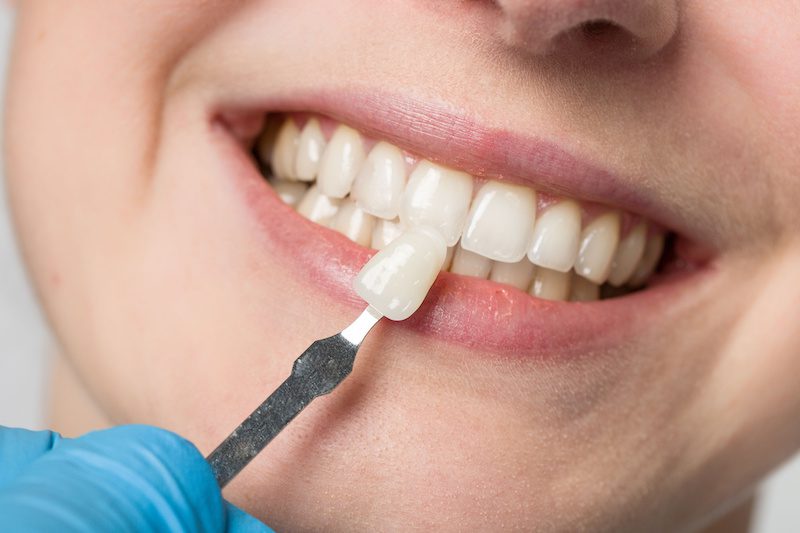
Popcorn itself might not be the worst snack for your teeth, especially if you compare it to sticky candies or hard candy. Plain popcorn has less sugar, but it’s more likely to cause you mechanical problems with your teeth.
There are three main things to worry about: hard kernels, popcorn hulls, and the way all those starch particles can get stuck in your teeth and gums. If you do happen to bite down on a hard kernel, it can chip your enamel, break a filling, crack a crown, or even damage other dental work like veneers or implants.
And if those popcorn hulls get stuck between your teeth and gums, they can irritate the gum tissue, increase the risk of infection, and even cause an abscess.
How Popcorn Can Harm Your Teeth and Gums
Most of the damage that popcorn can do is due to physical trauma and food particles getting stuck in the teeth, not just the sugar content. Popcorn can cause dental problems because of its texture.
Even air-popped popcorn can be a problem if you’re eating stray kernels, or if you have older dental work, a weakened tooth, or a root canal. Over time, that can create a tiny hairline crack in your tooth that might not even hurt at first, but later becomes sensitive to cold foods or chewing.
Popcorn particles and hulls tend to wedge near the gums and create a plaque buildup where all those nasty bacteria can thrive. And that can make the problem worse if you already have gum disease or deep pockets in your teeth.
Hard, Unpopped Kernels Can Damage Your Teeth, Greatly
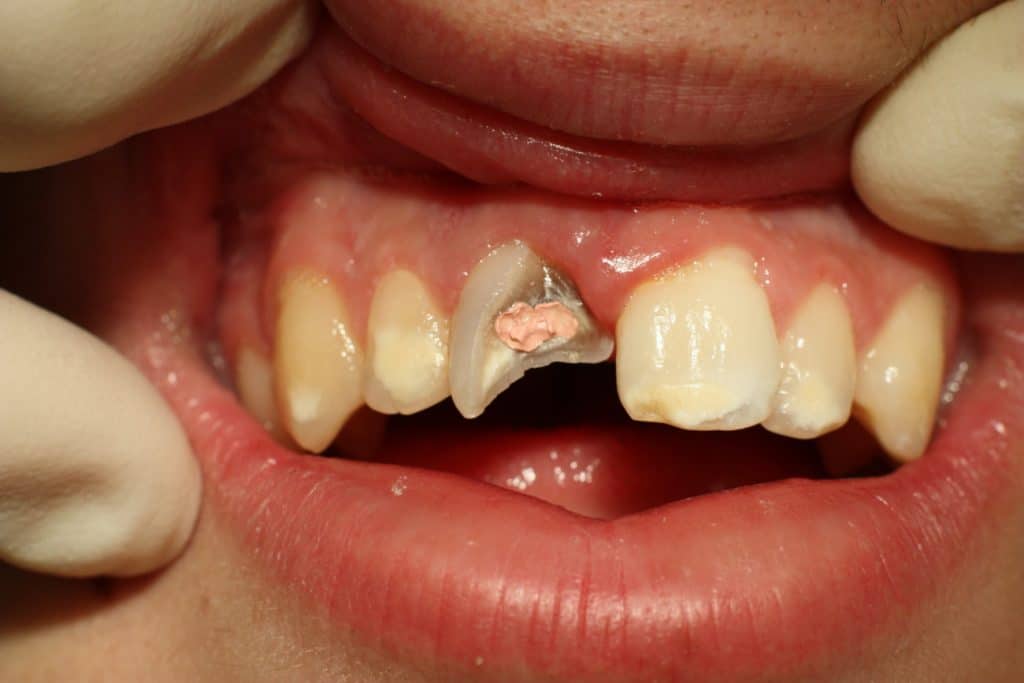
Hard, unpopped or half-popped kernels are a common cause of cracked teeth. Just one bite can chip a front tooth, crack a molar, or damage dental work such as crowns, veneers, or implants. To reduce the risk, pour popcorn into a bowl and leave the bottom-of-the-bag kernels behind, and take your time while eating. If you experience sudden pain or feel a sharp edge, stop eating and seek dental care promptly.
At Dental Solutions Algodones, we provide personalized care to diagnose and treat cracked teeth and damaged restorations before they become more serious problems. We also offer free estimates and personalized consultations so you can understand your treatment options and protect your smile with confidence.
To reduce the risk of accidents like that:
- Pour your popcorn into a bowl and leave the bottom-of-the-bag kernels behind.
- Just take your time eating, don’t rush it.
- And if you do get a sudden sharp edge or pain, stop eating right away and see a dental hygienist; prompt action could save you from a lot of trouble.
Does Popcorn Really Increase Your Cavity Risk?
Popcorn might not be as bad for your teeth as other snacks, but its starch can still feed those nasty cavity-causing bacteria in your mouth.
Those bacteria break down the starch in popcorn and produce lactic acid, which can weaken your teeth’s enamel and put you at a greater risk of tooth decay and cavities.
And of course, if you’re eating caramel corn, kettle corn, or anything with added sugars or syrups, that’s just like eating sticky candy.
Sticky Candies, Hard Candies… Popcorn vs. Other Problem Snacks: How Does It Compare?
Popcorn is usually better than sticky sweets but riskier than many soft, healthy tooth snacks.
| Snack | Main issue |
| Sticky candies | Glue sugar to teeth and raise decay risk |
| Hard candy | Bathes teeth in sugar and can crack teeth if chewed |
| Dried fruits | Cling like candy and feed bacteria |
| Potato chips | Starchy chips stick in grooves |
| Bones or ice | Hard enough to break enamel |
| Citrus fruits | Acidic foods and drinks can erode enamel |
Plain Popcorn is a pretty low-sugar option, but kernels and the bits that fall off can still do some damage to your teeth and gums.
Making Popcorn Less of a Threat to Your Smile
You don’t have to give up popcorn altogether; you just have to eat it the right way.
- Pick the plain air-popped kind without any caramel or sticky sauce on it
- Eat it with a meal, rather than munching on it all evening. Constant snacking keeps your mouth in a higher acid state
- Rinse your mouth with water after eating popcorn to get rid of some of the acid
- Go slow when eating popcorn to avoid biting down on hard kernels
- Chewing sugar-free gum afterwards can help clean your teeth a bit by upping your saliva levels
Getting Stuck Popcorn Out
If some of that popcorn gets stuck in between your teeth or your gums, you need to get it out quickly and gently to protect your teeth and gums.
- Rinse your mouth with warm water or warm saltwater, which usually does the trick.
- Floss gently, don’t snap that floss in there and hurt your gums
- Brush along your gumline with a soft toothbrush to get rid of any bits
- If you get any swelling, tooth pain, or a lump, give your dental team a call right away
Flossing after eating popcorn is super important to get rid of any lodged-on bits. Brush and floss afterwards to get rid of any debris.
Popcorn Alternatives That Are Easy on the Smile
Try swapping some of your snacks for something that’s a bit more gentle on your teeth:
- Vegetables like carrots, celery, or cucumbers
- Fruits like apples, pears, and melons
- Cheese is a good choice, it’s got high calcium content and doesn’t stick to your teeth as sweet treats do
- Nuts like almonds or walnuts are an option if you don’t have a cracked tooth or jaw pain.
Having a small serving of plain popcorn with some cheese or veggies is a good way to lower your risk a bit.
FAQs
Can I still have popcorn if I’ve got fillings or crowns?
Yes, but be careful. If you’ve got a big filling or dental crown, a hard kernel can damage it. Talk to your dentist first.
Is microwave popcorn worse for your teeth than air-popped popcorn?
Not always. It’s the added sugars and sticky flavorings that are the problem. Go for the plain stuff, whether it’s from the microwave, on the stovetop, or air-popped.
How long do I have to wait to brush my teeth after eating popcorn?
Twenty or thirty minutes should be long enough, then you can brush. Rinse with water right away, and get to flossing if you feel a bit stuck.
Can popcorn actually cause gum disease?
Popcorn on its own can’t cause gum disease, but stuck-on bits can inflame your gums and start a local abscess.
Should kids eat popcorn?
Toddlers should probably avoid popcorn because of the choking hazard. Older kids should have it supervised, drink some water, and brush and floss afterwards.