
Getting those new immediate dentures is a huge step in restoring your smile and your confidence. But if you’re a smoker, what happens in the days and weeks after surgery will make all the difference between a smooth recovery and a whole lot of pain. If you’re a smoker, here’s what you need to know to avoid a world of trouble.
- Dentists almost always advise waiting a minimum of three days before lighting up after getting your immediate dentures, and ideally give up cigarettes for three to four weeks.
- Smoking makes it way more likely you’ll get a dry socket after tooth extraction, slows down the healing process, and stacks the odds in favour of infection under the denture after the removal.
- Cigarette smoke causes terrible breath, makes your dentures turn a nasty colour, and causes gum recession, which impacts how your dentures fit over time.
- Smokers are roughly two to three times more likely to have a dental implant fail if they plan on getting implants later on.
This article goes all out to cover specific timelines, what warning signs to keep an eye out for, and some practical steps to stop smoking or cut back during your recovery.
What’s The Deal With Immediate Dentures, And When Are They Used?
An immediate denture is like a new smile given to you on the day of your tooth extraction; it lets you eat, speak, and smile normally without a problem. Before the extraction, your dentist takes impressions of your teeth, and the lab makes the denture in advance.
They might be needed if you’ve got bad decay, gum disease that’s gone a bit far, a nasty accident, or if you’re planning for future implants. Because gums and bone change shape so fast in the first three to six months, immediate dentures are just a temporary solution that will probably need a retightening or even a new denture later on. They create surgical wounds that need plenty of TLC to heal, and the fresh extraction sites are super sensitive to smoke, heat, and toxins.
Why Smoking Right After Your Immediate Dentures Is Such A Bad Idea
The first 72 hours after surgery are the most critical time. The American Dental Association says to stop smoking for at least three days after surgery to ensure a higher rate of success, because smoking gets in the way of blood clot formation, slows down healing, and increases the chances of an infection. Smoking messes with your body’s natural healing process in a few different ways.
- Nicotine makes your blood vessels narrower, cutting off blood flow and oxygen delivery to the area of the surgery.
- Smoking reduces the flow of oxygen and nutrients, which are needed for tissue repair.
- The suction from smoking can dislodge blood clots in the extraction sites, and you’re left with a dry socket under the immediate denture.
- Chemicals in tobacco irritate fresh wounds, making them more inflamed and painful.
Stopping the suction from smoking is super important to stop blood clots from getting dislodged. These early problems can connect to poor gum healing, bone loss, and difficulty switching to permanent dentures or dental implants.
How Smoking Affects Healing After Tooth Extraction With an Immediate Denture
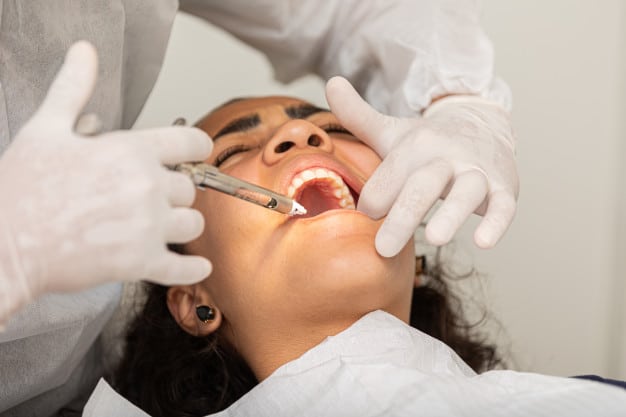
Every extraction site under an immediate denture needs weeks to properly heal, and smoking can delay the whole process. A study of over 10,000 patients found that smokers were roughly 3 times more likely to get dry socket than non-smokers.
Some of the healing problems smokers face include:
- Smoking significantly increases the risk of dry socket after tooth extraction
- Smokers are more likely to get gum infections after denture placement
- Smoking raises the risk of infections because of its impact on healing
- Tobacco use can cause more pain during the healing process
- Smokers take longer to recover because of prolonged inflammation and reduced blood flow from smoking
Why Is It Important To Quit Smoking After Getting Dentures?
Nicotine restricts blood vessels and cuts off blood flow to the gums and jawbone, starving them of nutrients. Smoking weakens your immune system’s response to bacteria in the mouth and hinders tissue regeneration, which can cause gums to recede and become inflamed. Smokers are more likely to experience sore spots because the tissue is fragile and inflamed, and cannot cope with the pressure of a denture.
Dental pros usually recommend giving up smoking for at least 3-4 weeks after extractions to support stable healing and keep your oral health on track.
The Long-Term Impact Of Smoking On Denture Fit, Comfort, and Bone Loss
Smoking affects not just healing now, but it also reshapes the jaw and gums that support your dentures for years to come. Smoking can speed up bone loss in the jaw and accelerate bone resorption, contributing to faster jawbone deterioration. Smoking affects bone health by reducing calcium absorption, which leads to faster bone loss.
| Problem | What Happens |
| Bone loss | Jaw shrinks faster, loosening the denture base |
| Gum recession | Hardened, receding tissue creates painful sores and rubbing |
| Fit changes | Smoking can change how dentures fit over time |
| Earlier replacement | Dentures typically need adjustments every 5-7 years, but smokers may need relines sooner |
Wobbly dentures can cause sores and infections, and smoking can also cause gum recession, making dentures fit badly. The good news is that quitting smoking can actually improve gum health and denture fit. Regular check-ups and denture adjustments are more important than ever for people who still smoke.
Smoking, Bad Breath, and Staining With Immediate Dentures
Acrylic dentures have tiny pores that trap smoke particles, causing chronic bad breath and an unpleasant taste that others can pick up even if you’ve gotten used to it. Nicotine and tar create yellow or brown discoloration on the denture surface, which can happen in a matter of weeks. Research shows that stain intensity is directly linked to the number of smoking puffs.
Cleaning your dentures daily with a mild soap is a good habit for keeping them hygienic, but let’s be real, rinsing and soaking overnight with a persulfate-based cleanser is also a good idea, even if it won’t stop smoking from continuing to stain them. Of course, this is assuming you can stick to your non-smoking plan; staying hydrated can definitely help alleviate mouth dryness caused by smoking.
Oral Cancer and Other Long-Term Risks for Smokers With Dentures
It’s no secret that smoking is a proven cause of oral cancer, and current smokers are facing roughly four or five times the risk compared to those who have never smoked. When you add to that the chronic irritation from a denture that’s not fitting properly, the chances of developing precancerous changes like leukoplakia go up even further.
You should watch out for these warning signs in your mouth:
- Non-healing sores that show up under or around your denture, and they just won’t go away
- Red or white patches on your gums or soft tissue
- Unexplained lumps, numbness, or bleeding, and you don’t know what’s causing it
Advanced oral cancer can make wearing any kind of denture completely impossible and might require major surgery. Getting regular check-ups, at least once a year, with a thorough exam of the tissue under your denture, can help protect you through early detection.
How Smoking Now Affects Future Dental Implants
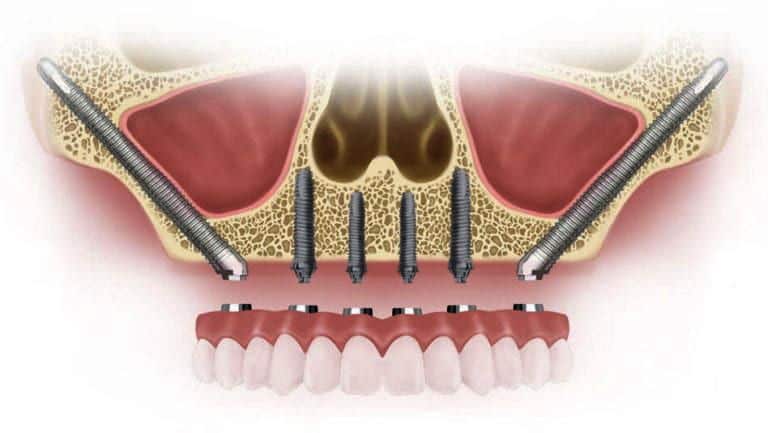
If you’re planning to get dental implants to restore stability and comfort to your dentures, but you’re a smoker, you’re in for a rude surprise. Smoking around the implant site dramatically reduces the chances of the implant being successful. In cases where bone grafts were involved, non-smokers did about 83% better than smokers, who came in at about 65%.
Poor healing under an immediate denture can leave thin, weak bone at the implant site that’s just a nightmare to restore later. Dentists usually recommend avoiding smoking for at least 2 to 3 months after oral surgery, and most require smokers to stay off of it for at least two weeks before the implant itself. This immediate denture healing period is the perfect time to start a quit-smoking plan. Your other option is to try to get the implant and risk complications down the line.
How Long Should You Stop Smoking After Immediate Dentures?
There’s no such thing as a completely safe time to smoke after surgery, but the longer you stay off of it, the fewer complications you’ll have. Here’s a rough timeline to work with:
- First 3 days: Smokers should not smoke for at least three days following surgery, as they’re most at risk of a dry socket during this time.
- Weeks 1, 4: This is when your soft tissue is closing up, and early bone fill is happening. You need to avoid smoking to give it the best shot at healing properly.
- Weeks 6, 8: Continuing to skip the cigarettes at this stage will support better bone healing and gum shaping under the denture base.
- Long term: Even if you quit, the lifetime risk of oral cancer and bone loss remains elevated if you continue smoking
If quitting is out of the question, don’t worry, we can talk about nicotine replacement that doesn’t involve inhaling smoke with your dentist or doctor.
Practical Tips to Stop Smoking or Cut Down After Your Denture Appointment
Quitting is tough, but the fact that you just got your dentures or extraction might be just the kick in the pants you need to kick the habit once and for all. Here are a few things to consider:
- Set a quit date at least a few days before surgery so you can start weaning down your nicotine levels
- Talk to your doctor about nicotine patches, lozenges, or gum as a smoke-free alternative
- Avoid the things that set you off, stepping outside with the rest of the smokers, grabbing a drink with your buddies, or stressful situations without a plan.
- Use some kind of distraction technique when you feel a craving coming on: take a short walk, do some deep breathing exercises, phone a friend, or get lost in your hobby for a bit.
- Have some support, family, friends, quitlines, or apps that are designed to help you stop smoking.
Even if quitting is a pipe dream, any reduction in smoking at all will help significantly reduce complications and protect your recovery.
Caring for Your Immediate Denture While You Heal
Looking after your immediate denture properly will help reduce infection risk and will make your gums heal more predictably, especially if you’re a smoker or have recently quit.
- First 24 hours: Wearing your immediate denture for the first day or two can help keep bleeding and swelling under control. Don’t take it out unless it’s necessary.
- After day one: Remove it a few times a day for a gentle rinse with some warm salt water. Clean it with a soft brush and some mild cleanser.
- Give it some time: Your mouth will be sore, and it might be hard to get used to eating and talking at first, but most people get the hang of it within 1 to 3 days.
- Call your dentist ASAP if you develop severe pain, a foul taste, a fever, or can’t get the denture back in. Smokers are at higher risk for infection, so don’t put it off.
You’ll need to keep an eye on your body to make sure it’s healing properly under the denture, and your dentist needs to keep an eye on you, too, to make sure your jaw and gums are reshaping properly.
Getting Denture Care At DSA

At Dental Solutions Algodones, we understand that traveling abroad for dentures is more than a procedure; it’s a journey toward restoring your smile and confidence. Whether you’re trying to quit smoking, cut back during recovery, or simply want guidance on healing properly, we support our international patients every step of the way.
From preparing for extractions and immediate dentures to providing clear aftercare instructions and follow-up support, we’re here to help you navigate your journey with comfort, reassurance, and the personalized care you deserve.
FAQ
Can I smoke 24 hours after getting immediate dentures?
Absolutely not, the clots in your mouth are extremely fragile during the first day, and a quick cigarette can trigger dry socket or bleeding under the denture. Wait at least 72 hours before even considering any tobacco use.
Is vaping safer than cigarettes after immediate dentures?
Vaping is still a danger to your mouth; it exposes your gums and teeth to heat, chemicals, and, let’s be honest, the constant pulling on them, which can mess with blood clots and set off inflammation at extraction sites. Sure, some of the nasty chemicals in cigarette smoke might be less present in the vapor, but don’t kid yourself, it’s still not something you want near a fresh wound.
To be on the safe side, treat vaping the same as smoking and give yourself a few weeks off after having surgery on your teeth.
What happens if I’ve already lit up after getting my immediate denture?
Keep an eye out for warning signs. If you’ve been in pain for a couple of days after the extraction, your mouth smells like a dumpster or tastes like old socks, then you might be looking at dry socket or infection. Get in touch with your dentist fast and stop smoking so your remaining teeth have a chance to heal properly. They might give you some extra instructions; make sure to follow them.
Can I just use nicotine patches or gum instead of smoking?
Nicotine is probably gonna mess with blood flow a bit, but on the plus side, patches and lozenges avoid the heat and toxins that do damage to your gums and teeth when you smoke. You might want to talk to your dentist or doc about nicotine replacement therapy. If you can manage it, patches are probably safer than puffing away the whole time you’re healing.
When can I start planning for some implants after having immediate dentures, if I smoke anyway?
You’ll probably need to wait till your gums and bone have stabilized, usually about 4 to 6 months after the extractions. Smokers really should quit about 2 weeks before getting an implant and stay off it for at least a couple of months afterwards. Quitting during the denture phase can make a big difference to how well the bone will hold the implant and how long the whole thing lasts. It’s good for your teeth and good for your confidence.