
Bleeding, tender soft tissue, or swollen gums are pretty common signs that your gums aren’t in good shape, and it’s usually because plaque has built up. Now, early gum disease (gingivitis) is often reversible with good mouth care and getting a professional cleaning. However, if your periodontal disease gets a bit more advanced, that’s called periodontitis, and that can damage the bone supporting your healthy teeth and needs some ongoing dental help.
To start getting your gums and overall dental health back in order, you’ll need to combine brushing and flossing daily, regular trips to the dentist, and a few healthier habits. If you notice any of the following symptoms, gum disease may be present already: bleeding gums, gum recession, bad breath, tooth decay, and loose teeth, you really should get a dentist to take a look.
What Causes Unhealthy Gums, And What Can You Do
Gum disease starts off with plaque buildup along the gum line due to poor oral hygiene, which, if left untreated, can harden into tartar. Trouble is, you can’t get rid of tartar at home, at least not safely.
The first stage of gum disease is called gingivitis, and it’s where your gums might start bleeding, getting swollen or feeling tender. Now, if you sort your teeth out quickly, this is reversible. But if left untreated, the bacteria take hold and start spreading deeper into your gums and the bone that supports your teeth, and that’s when you get periodontitis, a more advanced form of periodontal disease.
Now, it turns out that about 42% of adults have had some periodontitis, an advanced form of gum disease, by the time they hit 30, and that gets worse the older you get. The big difference is that, unlike gingivitis, you can treat gum disease, but you can’t reverse periodontitis completely.

So, How Can You Tell If Your Gums Are in Trouble
A lot of the time, gum disease can sneak up on you, so you might not even notice it’s there. Here are some of the signs to watch out for:
The common ones you get:
- Puffy gums that are red or swollen or feel tender
- Bleeding when you brush or floss
- You’ve got bad breath that won’t go away or an odd taste in your mouth
- Your gums are receding, or you can see the roots of your teeth
- You’re getting a bit more sensitive with your teeth
- Your teeth are loose or shifting.
Now, if your gums look good, they should just feel firm and snug around your teeth, and unless you’ve just started flossing for the first time, they shouldn’t be bleeding. If these symptoms stick around for longer than a week or two, get a dental professional to take a look.
First Steps: What To Do if Your Gums are Bleeding
Now, just because you start flossing and your gums bleed a bit, it’s not the end of the world. That’s just your gums reacting to a bit of stress, but if it’s still going on, it could be a sign of chronic inflammation.
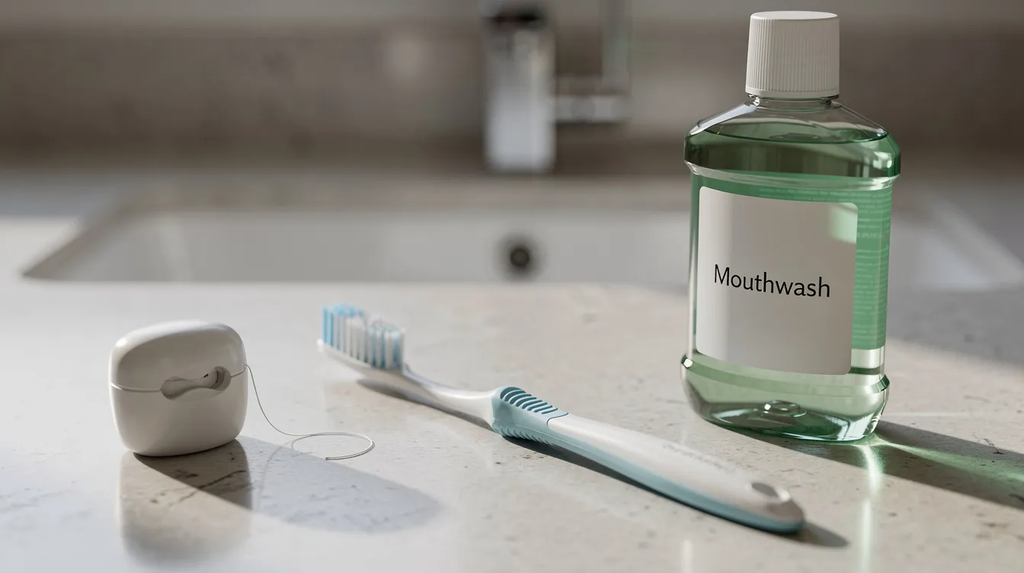
First off, get a checkup with your dental hygienist to see if you’ve got any plaque, tartar, or gum disease going on. At home, get into a regular routine of brushing your teeth twice a day for two minutes; it’s a good idea to get a soft-bristled toothbrush and some fluoride toothpaste. Don’t forget to clean between your teeth with floss or some interdental brushes or a water flosser, and mouthwash can be a bit of help, but don’t replace brushing and flossing with it.
DO remember not to go overboard with the brushing; you don’t want to damage your gums and make things worse.
Sticking to a Daily Routine: How to Keep Your Gums Healthy
You do need to keep up with a routine at home to keep your gums in good shape, and that means brushing and flossing at least once a day. When you’re brushing, focus on the area where your gums meet your teeth. Using an electric toothbrush might also be a good idea if you find you’re having trouble getting rid of plaque or you tend to brush too hard. Don’t forget to change your toothbrush or get a new one every three months, or sooner if the bristles are getting worn.
Oh, and try to cut down on sugary drinks and those snacks in between meals; all they do is give the bacteria in your mouth something to munch on.
Natural Remedies, Not a Replacement for the Dentist
A bit of natural remedies here and there might help with inflammation and discomfort, but they can’t get rid of tartar or sort out gum disease that’s got to the bone. Think of them as a bit of backup, but still, getting proper treatment is key.
- Green tea: Having one or two cups of unsweetened green tea a day might help with your gums. Dental and craniofacial research has found that green tea applications can cut down on gingivitis and plaque; it’s because of the antioxidant and anti-inflammatory properties of EGCG in the tea.
- Salt-water oral rinses: Rinsing with a salt-water solution can help with swollen or tender gums. It helps reduce the bacteria on the gums and tooth surface and draws out some of the excess fluid in your gums.
- Aloe vera gel and turmeric paste: Some small studies have shown that they have anti-inflammatory effects, so you can use them on irritated areas as a bit of a soothing thing.
- Oil pulling and essential oils: They might do a bit with bad breath or maybe even a bit of plaque, but they can’t replace brushing and flossing.
Important note: Check that the products are food-grade or reputable, and don’t use concentrated essential oils if you’re pregnant, on certain medications, or have heart disease or a compromised immune system. Consult a dentist or doctor for a diagnosis first.
Professional Help: When You Need a Dentist
When you get to the point where you’ve got tartar, deep gum pockets, infection, or bone loss, that’s when professional help is really important.
Get your teeth cleaned by a dentist to get rid of the plaque and tartar you can’t remove at home. Some people need that every six months, while others with gum disease might need to go in every three to four months.
If you’ve got severe gum disease, your dentist might do some scaling and root planing treatment. That’s where they remove plaque and tartar that’s built up in your gums and then smooth out the roots of your teeth to give your gums a chance to heal and get back to where they should be. Depending on just how severe the infection is, dentists may suggest using antimicrobial rinses, localized oral antibiotics, or other forms of supportive treatment.
When You Need to Take a More Serious Approach: Surgical Gum Therapy
When non-surgical treatments just can’t seem to get a handle on advanced gum disease, deep pockets linger, significant bone loss starts to jeopardize tooth stability, or gum recession becomes really bad, a periodontist may have to step in with some surgical procedures.
Common options include:
| Procedure | Purpose |
| Flap surgery | Lifts gums to access roots for deep cleaning; pocket reduction surgery removes deep plaque and tartar |
| Gum grafting | Covers exposed tooth roots from gum recession, reduces sensitivity, improves appearance |
| Bone grafts / guided tissue regeneration | Rebuilds lost bone and gum tissue to restore support for an affected tooth |
These procedures aren’t meant to fully “fix” periodontitis; they’re more about stopping the disease from getting any worse. In the long run, a study showed that a whopping 83% of sites that got gum grafting actually kept their gains, whereas sites that were left untreated just kept on getting worse.
Recovering from gum surgery usually means soreness and some mild swelling for a day or two, sticking to a soft-food diet, taking it easy on cleaning your teeth, and getting in for some follow-up appointments. Even after the surgery, it’s super important to keep up good oral hygiene and get in for regular check-ups so you can prevent the disease from coming back.
Changing Your Lifestyle to Help Your Gums Heal and Stay Healthy
Your oral and overall health choices matter; they have a massive impact on how well your gums are going to respond to treatment and stay stable in the long run.
- If you smoke, vape, or use chewing tobacco, it’s going to put you at a much higher risk of developing gum disease and make it way harder for your gums to heal. On the other hand, if you eat a balanced diet with plenty of fruits, veggies, calcium sources, and lean protein, it will really help support your immune system and your body’s ability to repair tissue.
- Getting enough sleep, managing stress, and staying hydrated are all going to be big helps when it comes to oral health. Plus, drinking plenty of water will help stimulate saliva production, which is a huge help in washing away food and neutralizing acids in your mouth.
- Controlling diabetes and other health conditions is crucial since it can make you more susceptible to gum disease, and it’s not just a one-way street; if you get gum disease, then it can actually make it harder to keep your blood sugar levels in check too.

When You Need to Get in to See a Dentist, and What You Can Expect at Your Appointment
You should get in to see a dentist if you notice any of these things:
- Your gums are bleeding for longer than a week or two
- You can see that your gums are receding or that you have exposed roots
- You’re experiencing pain, pus, or a really bad taste that just won’t go away
- Your teeth start to feel loose, or you notice that they aren’t fitting quite right together anymore
Regular six-month check-ups can catch gum disease before it starts to silently ruin your teeth and gums. At your appointment, the dentist or hygienist will go over your medical history, take a good look at your teeth and gums, use a probe to check the depth of the pockets around each tooth, and take some X-rays to get a better idea of the bone levels.
Based on what they find, they will then figure out the severity of your gum disease: is it just gingivitis or full-blown periodontitis? And work with you to come up with a personalized treatment plan. Don’t be surprised if you need a few professional cleaning appointments, maybe some follow-up appointments every three to four months, and then you’ve got to stick to a routine of good home care to make sure you get lasting results. Gingivitis is a pretty reversible thing if you get regular cleanings and put in the effort, but in some cases it takes a bit more patience.
FAQ
Can I completely fix unhealthy gums at home without professional treatment?
Brushing, flossing, and antiseptic rinses can help reduce inflammation caused by gingivitis. However, tartar buildup and deeper gum disease require dental cleanings and professional treatment because hardened deposits cannot be safely removed at home. Daily care and dental treatment work best together.
How long does it take for gum inflammation to start looking and feeling healthier?
Bleeding and tenderness may improve within 1–2 weeks of better oral hygiene. Deeper healing can take several months, depending on disease severity and treatment. If symptoms do not improve after two weeks, schedule a dental checkup.
Are loose teeth from gum disease always lost, or can they be saved?
Not always. Mild looseness may improve with deep cleaning, bite adjustment, or splinting. Teeth with severe bone loss may require extraction. A dentist or periodontist can determine whether a loose tooth can be saved through an exam and X-rays.
Is gum recession reversible once it has happened?
Receded gum tissue does not naturally grow back, but controlling inflammation can prevent further loss. Gum grafting may cover exposed roots and reduce sensitivity. Gentle brushing, good oral hygiene, and early treatment are the best ways to prevent additional recession.
Do I need special toothpaste or mouthwash to fix unhealthy gums?
For most people, fluoride toothpaste, proper brushing, flossing, and an antiseptic mouthwash are enough. Some gum conditions may require dentist-recommended products or prescription rinses. Consistent plaque removal matters more than using multiple specialty products.