
Veneers are a “go” smile makeover procedure for people who’ve got healthy teeth and are looking to fix cosmetic imperfections, but you’ve got to be okay with tooth enamel removal, the replacement costs that come with it, and the regular maintenance that keeps ’em looking their best.
- Veneers will give you an instant smile transformation, but once you start chipping away at that enamel, veneers are pretty much a permanent fixture.
- In 2026, a porcelain veneer is gonna set you back anywhere from $900 to $2,500 per tooth in the States, while composite veneers will cost you between $800 and $2,500 per tooth, and if you live in a pricey area, you might be looking at $3,500 per tooth.
- With proper care, a porcelain veneer can last you anywhere from 10 to 15 years, but resin veneers are gonna have a much shorter lifespan.
- This guide will give you the lowdown on the pros and cons of the process of getting veneers, as well as the cost, the alternatives, and who’d be best off giving cosmetic dentistry a try.
So, Are Veneers Worth It Or Not?
Dental veneers are basically thin slabs of porcelain and composite resin that get bonded to the front of your teeth to tackle color, shape, size, and alignment issues. They’re pretty thin and custom-made to cover up the front of your existing natural teeth and give ’em a totally natural look.
They’re mainly cosmetic procedures, not treatments for actually fixing any health issues. So, veneers can cover up various dental imperfections, things like deep stains, chipped edges, uneven spacing, mild crowding, worn-out enamel, you name it. But they’re not gonna fix other dental concerns like missing teeth, major orthodontic issues, or teeth that are basically rotten.
When comparing the types of veneers, porcelain veneers are much more stain-resistant because they’re ceramic, whereas composite veneers use tooth-colored resin. They’re much faster and cheaper, but they tend to stain and wear out much sooner.
Can fix: cosmetic blemishes, uneven edges, discoloration, and small spaces.
Can’t fix: missing teeth, major orthodontic issues, active decay, gums that aren’t healthy.
What to Expect When Getting Veneers: A Step-by-Step Guide

If you’re considering veneers, bear in mind that it usually takes about 2-3 visits over the course of a few weeks. It starts with an initial consultation with your cosmetic dentist, where they’ll check out your oral health and teeth’s appearance, take some photos and scans, and take a look at X-rays to make sure veneers are the right thing for you, with the dentist’s skill being crucial to planning veneers that look natural and fit well.
Next up, your dentist will begin the tooth preparation by taking away a thin layer of natural enamel. This usually means taking away about 0.3-0.7 mm from the front of the tooth. Don’t worry, it’s a pretty minimal alteration compared to getting a crown, but it’s still gonna be permanent.
Your dentist will take impressions of your teeth to send off to the lab and get your custom veneers made up. They’ll match up the color and shape to your existing teeth and make sure they look totally natural. While you’re waiting for the custom ones to come in, your dentist might slap on some temporary veneers to protect your teeth.
Finally, it’s time for the bonding visit. Your dentist will remove the temporary veneers and bond the veneers onto your teeth using a special adhesive, and make sure they fit just right. And hey, if you opt for a no-prep veneer, that’s a plus, but they still require some serious consideration.
Porcelain vs. Composite: Which Type of Veneer is Right for You?
When it comes down to it, the choice between porcelain and composite veneers depends on aesthetics, lifespan, and price. Both require healthy teeth and gums, but the cost of veneers often varies depending on the material and provider.
Porcelain Veneers
Porcelain veneers are considered the gold standard for longevity. Made from a strong ceramic material, they can last 10 to 15 years with proper care, and according to AlJazairy’s 2021 review, porcelain laminate veneers have a high long-term survival rate. They’re also highly stain-resistant, making them a popular choice despite the higher cost of veneers.
Composite Veneers
Composite veneers are a lot more budget-friendly, running you between $250 and $1,500 per tooth. And the best part is, this type of veneer can be done in just one visit, which is a huge plus. But, they tend to have a shorter lifespan and a lesser degree of stain resistance than porcelain veneers, usually lasting anywhere from 4 to 8 years.
| Factor | Porcelain veneers | Composite resin veneers |
| Durability | 10-15+ years | Shorter lifespan |
| Stains | Highly stain-resistant | More staining |
| Repair | Often replace | Easier patching |
| Time | Lab-made | Often one visit |
When Veneers Really Are Worth It
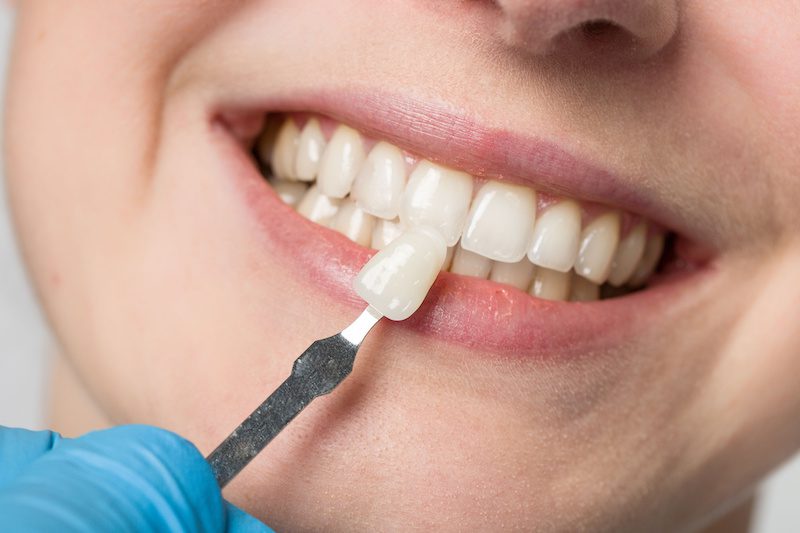
So, when are veneers really worth it? Well, it depends on your goals. If you want a brighter, more beautiful smile, or a flawless one that’s gonna make you feel confident all day long, veneers offer a fast way to tackle several cosmetic issues at once. They can handle all sorts of cosmetic concerns in one fell swoop; there’s no need to try to whiten your teeth, get a bunch of bonding done, or try to reshape your teeth individually.
The best part? Well-made porcelain veneers can blend seamlessly with your natural teeth, so you can get a totally natural-looking smile that’s gonna make you shine. And hey, they’re also a lot more gentle on your teeth than crowns, so that’s a plus too.
Example: A 35-year-old with stains from fluorosis that teeth whitening can’t touch might find that veneers are the way to go. Or a 45-year-old with small gaps and worn-out edges might be able to get the even, perfect smile they’ve always wanted.
The Other Side Of Things: Risks, Long-Term Commitments, And Cost Of Veneers
Veneers are a pretty permanent dental solution and a long-term commitment. Once you remove enamel, it’s gone for good; you’re looking at permanent veneers, new ones, or crowns for the rest of your life.
The main drawbacks of veneers include their cost. Porcelain veneers typically range from $900 to $2,500 per tooth, while composite veneers cost about $250 to $1,500 per tooth, with pricing varying depending on the material, the dentist’s expertise, and location, and fees often running lower in smaller towns than in expensive urban areas.
Treating the visible “smile zone” can easily add up to five figures, and because veneers are usually considered cosmetic, most dental insurance plans do not cover them. While many dental offices offer financing options, future replacements should also be factored into the long-term cost of veneers.
Veneers may also cause temporary tooth sensitivity after placement, and some patients experience sensitivity that usually subsides. They can chip or crack under excessive force. If you grind your teeth, you should let your dentist know beforehand, and it’s wise to avoid habits such as chewing ice, biting pens, or eating hard foods or candies to help protect your new, brighter smile.
Porcelain veneers will usually need to be replaced every 10 to 15 years, and as you get older, your gums may recede a bit and expose a margin near the gum line.
Are Veneers Worth It for You? Who’s a Good Candidate?
Whether veneers are worth it depends on oral health, budget, expectations, and long-term upkeep, so it’s important to consider each before deciding. Healthy teeth and gums are required before applying veneers. Veneers generally require good oral hygiene to prevent decay underneath.
Veneers may be worth it if you have intrinsic stains, chipped edges, small gaps, multiple cosmetic concerns, and good oral hygiene habits. Ideal candidates are people with healthy teeth and gums who are suited for veneers because they want cosmetic improvement and are prepared to maintain them. They may not be worth it if you have untreated gum disease, large fillings, weak teeth, severe bite issues, or want a reversible option.
Veneers improve appearance, but they do not replace orthodontic treatments for serious bite problems. Patients should also weigh the pros and cons before deciding. “Hollywood perfect” is not always the healthiest or most natural appearance.
Looking for a Permanent Solution? Or, What If You Prefer Minimal Tooth Alteration?
Alternatives to Veneers: Teeth Whitening, Dental Bonding, and Orthodontics
For some patients, there are less invasive cosmetic treatments that can get the job done. Teeth whitening can give you a brighter smile, but it won’t change the shape of your teeth or get rid of deep internal discoloration.
Dental bonding uses a tooth colored resin to fix chips, close small gaps, and cover up spots. It requires minimal tooth alteration, and it’s a lot cheaper than veneers and can preserve more of your natural tooth structure, but it has lower stain resistance and chips sooner.
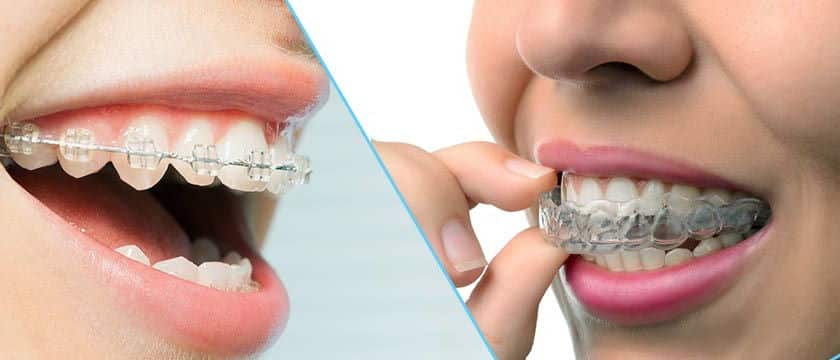
Orthodontic treatments like braces can correct crowding, spacing, and bite issues without having to remove any natural enamel. If you’ve really damaged your teeth, crowns might be a better option. A stepwise plan of whitening first, then bonding or veneers only where needed, can be a smarter bet.
Invisalign can be an excellent alternative for patients who want to improve their smile without altering healthy tooth structure. Using a series of clear, removable aligners, Invisalign gradually corrects crowding, spacing, and certain bite issues without the need for brackets, wires, or enamel removal. For many patients, it offers a more conservative way to achieve a straighter, more confident smile before considering treatments like bonding or veneers.
Keeping Your New Veneers and Overall Oral Health in Shape
Your veneers depend on the teeth and gums underneath, so daily brushing and flossing are important to maintain them and help prevent damage. Good oral hygiene will also help prevent decay around the margins.
Use a non-abrasive fluoride toothpaste, floss carefully, and avoid using abrasive whitening pastes. Avoid hard foods like ice and pens, and if you grind your teeth, get a night guard to help protect them.
Getting regular dental check-ups is pretty essential for your veneers. Regular dental visits with your dentist will let him check your margins, bite, gum health, and any early wear. With proper care, porcelain veneers can last 10 to 15 years, helping you enjoy them for longer.
Getting a Brighter Smile At Dental Solutions Algodones

Considering Veneers is an exciting step toward a more confident smile, but there are a few things you need to know before choosing them. At Dental Solutions Algodones, our dentists‘ expertise allows us to evaluate your goals, discuss all available options, and help you discover during a personalized consultation whether veneers are the right option to transform your smile.
Using advanced techniques and a personalized approach, we create custom veneers designed to complement your facial features and deliver a radiant smile with natural-looking, long-lasting results you can feel confident about.
So, At The End Of The Day, Are Veneers Worth It?
So, if after this article you’re still wondering if “are veneers worth it?” Think of it this way: veneers are usually worth it for people with healthy teeth who are looking for a major, long-term solution to their dental imperfections, and who are willing to accept the cost, the permanence, and the maintenance. They can give you a natural look and a lasting solution that really does feel life-changing.
But they’re not a one-size-fits-all solution. Compare porcelain or composite veneers to whitening, bonding, and orthodontics before you decide.
If you are thinking of getting veneers, schedule a consultation with a trusted cosmetic dentist like the ones at our office to get an idea of the results, discuss the materials, and get an accurate price.
Frequently Asked Questions
Do veneers ruin your natural teeth?
Veneers don’t have to “ruin” your natural teeth when they’re planned and done right, but the tooth preparation does require removing a small layer of enamel. As long as you keep up good hygiene, the underlying tooth can stay healthy for years.
How many teeth should I get veneers on for a natural look?
Lots of people get veneers on the front 6-8 upper teeth because they’re the ones that show the most in a smile. Some people get veneers on one or two teeth if one’s chipped or discolored; it really depends on the width of your smile, your budget, and your shade.
Can I Whiten my Teeth after Getting Veneers?
Whitening doesn’t do anything for porcelain veneers or composite veneers, for that matter; it’s basically only going to lighten up your natural teeth. The thing is, if you whitened first and then matched your veneers to the new shade, that would be one way to go about it. The problem is, once you change the colour of your veneers, they’ve gotta be replaced.
How Painful is Getting Veneers?
Getting veneers is usually a pretty painless process; most people feel some pressure and a bit of vibration, which is totally normal since you’re going to be getting a local anesthetic. Afterward, you might get a bit of gum soreness, some jaw fatigue, and some patients experience mild hot-cold sensitivity after treatment, but it usually subsides within a short time.
Can Veneers be Removed if I Change my Mind?
Yeah, veneers can be taken out, but unfortunately, that means you’re gonna be stuck with the consequences; you can’t just put the enamel back that’s been shaved off. Hence, why veneers are a pretty permanent solution, so if you’re still unsure about it, take some time to think about other options like bonding or maybe even some more conservative cosmetic dental work.