
If you’re one of the many people who wear dentures or are considering them because of missing teeth, one question that’ll no doubt pop into your head is: how long will my dentures last? The truth is that it all depends on a few different things: what type of denture you go for, how well you look after them, and just how much your mouth changes over time. This guide will go over everything you need to know about how long your dentures are going to last, how to keep their appearance looking and feeling their best, and when you might need to get a new pair.
So, How Long Do Dentures Last on Average?
The length of time that dentures will last varies widely depending on a number of different factors. In general, most complete and partial dentures can be expected to last somewhere between 7 and 10 years, but some partial dentures can go up to 15 years if you take good care of them and your mouth doesn’t undergo any major changes.
Denture Types & Lifespan
Different types of dentures have different lifespans because of the materials they’re made from, how they’re designed, and the state of your gums and other tissues in your mouth.
- Complete dentures: These are full dentures that replace all your teeth on top or the bottom of your jaw, and they’ll normally last 7 to 10 years. Over time, your gums will change shape, and your jaw might change too, which can start to affect the fit and look of your dentures.
- Partial dentures: These are partial dentures that replace some, but not all, of your teeth on both your upper and lower jaw. They usually last 7 to 10 years too. The framework of metals and the remaining natural teeth can last up to 15 years if you look after them properly, but any changes to your remaining teeth, such as tooth loss or shifting, might mean you need to get a new set sooner.
- Immediate dentures: These are temporary dentures that are put in right after you’ve had some of your teeth taken out, and they’re normally used while you’re healing. They might need to be adjusted or replaced after a few months because your gums and other tissues will change shape.
- Implant-supported dentures: The denture itself might need to be replaced after about 10 years due to wear and tear, while the dental implants themselves can last for decades if you take good care of them. Given the fact that they can last up to ten years, these are usually considered permanent dentures.
What Affects Denture Lifespan
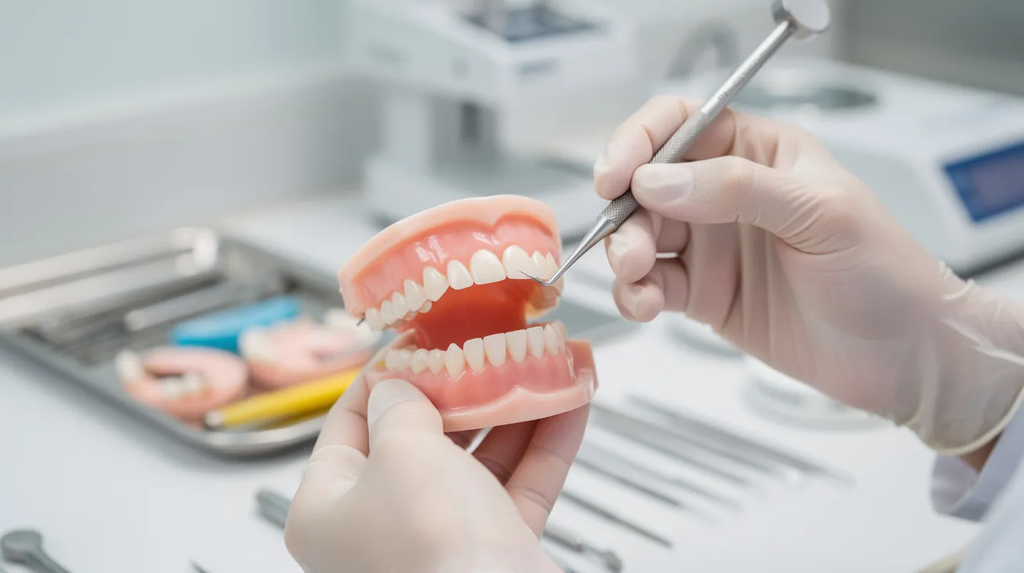
Material and build quality. If you go for a high-quality denture made from premium materials, that’ll last longer than one made from cheaper alternatives. High-impact acrylic bases and porcelain denture teeth can withstand daily wear and tear longer than standard acrylic ones. And if the dental technician creating your custom dentures does a good job with precise measurements, that can make a significant difference to how long they last.
Oral changes. Once you’ve lost some of your teeth, your jaw and gums will gradually change shape, and your dentures won’t have a comfortable fit. Weight gain or loss, and changes to your overall health can affect how your dentures sit and feel.
Habits and diet. Daily wear and tear will take its toll on your denture materials, so if you’re eating hard, crunchy, or sticky foods, or clenching your jaw, that’ll all accelerate damage. Clipping or using your teeth to open packages is particularly bad for dentures, as is smoking, which can stain them and irritate your gums. And don’t even get us started on dropping your dentures and cracking them; that’s an easy way to shorten their lifespan.
Systemic health. If you’re dealing with health conditions like osteoporosis or diabetes, that can speed up bone loss and make you need to get your dentures replaced more often.
When To Replace Or Refurbish Your Dentures
There are several factors that will affect how long dentures last. Over time, you’ll start to notice changes in their fit, comfort, and oral function. A denture consultation from your dental professional can help you know whether your dentures need to be relined, rebased, or replaced.
- Relining: This is when a dentist adds material to the inside of your existing dentures to make them fit better as your gums change shape. You might need to get your dentures relined periodically, often every year or 2, depending on your needs.
- Rebasing: This is when a dentist replaces the base of your dentures while keeping the original denture teeth. This might be an option if the base of your dentures is damaged or deteriorating but the teeth are still in good shape.
- Replacement: This is when you need a whole new set of dentures, usually because your old ones are beyond repair or you’ve lost or gained so much weight that they no longer fit. It’s always a good idea to have your dentures checked by a dentist every 5 years or so to make sure they’re still in good shape.
Care and Maintenance: How To Make Your Dentures Last Longer
With a bit of TLC, you can add years to the life of your dentures. Here are some quick and easy tips to maintain them in good condition.
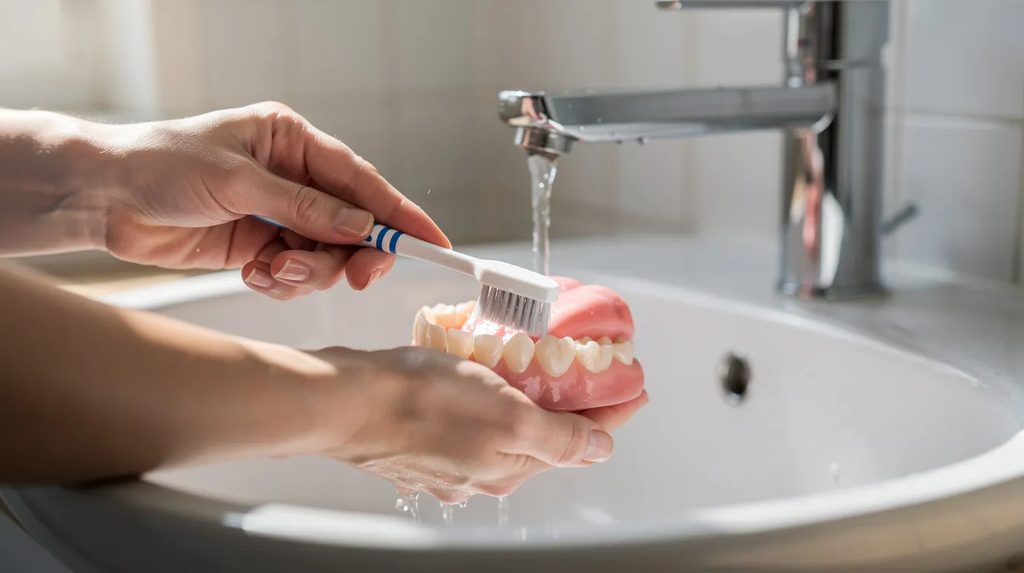
- Daily cleaning: Good oral hygiene is essential; just brush your dentures gently over a towel or in a sink of water using a soft-bristled brush and some non-abrasive cleaner. Rinse after every meal to get rid of food debris. Always clean your dentures daily with a proper solution to prevent bacteria from building up, because they can trap bacteria due to their porous nature.
- Overnight storage: Always take your dentures out before you go to sleep and store them in clean water or a denture cleaning solution overnight. This will help prevent them from warping or cracking. Never use hot water, as that will irreparably damage the base of your dentures.
- Avoiding common pitfalls: Skip using ordinary whitening toothpaste, bleach, or abrasive powders; they can all damage denture surfaces and cut short their average lifespan.
- Keeping a regular routine: See your dentist regularly, ideally 6 to 12 months at a time, to check on the fit, your oral health, how many teeth you still have, and the condition of the underlying tissue.
- Protecting your dentures: Try not to bite into ice, pens, or nutshells. If you find you’re grinding your dentures a lot in your sleep, ask about getting a night guard to help.
Traditional Dentures vs. Dental Implants and Implant-Supported Dentures
Traditional dentures rely on suction, your muscles to stay in place, and in some cases, adhesive. They usually need to be replaced every 5-10 years as your gums and bone change shape. To be honest, for a lot of people who wear dentures, this constant cycle of adjustments and new dentures is just the way of life.
Dental implants offer a different route. These tiny titanium posts are stuck into your jaw and, with proper care, they can last for 20 years or more, often outlasting a string of prosthetic teeth attached to them. Implant-supported dentures clip or snap onto these implants, giving you a much better bite, helping to slow down bone loss, and keeping your dentures from slipping off as much. While the acrylic or porcelain teeth on implant-supported dentures will still wear out and need replacing after a decade or so, the underlying implants can keep on going for decades.
If you’re getting fed up with your traditional dentures slipping around all the time or needing constant adjustments, then it’s definitely worth discussing implant options with your dentist at your next appointment. The initial outlay might seem steep, but it can pay off big time in terms of comfort, being able to eat properly, and having a smile that looks and feels natural.
When to Get to a Dentist About Your Dentures
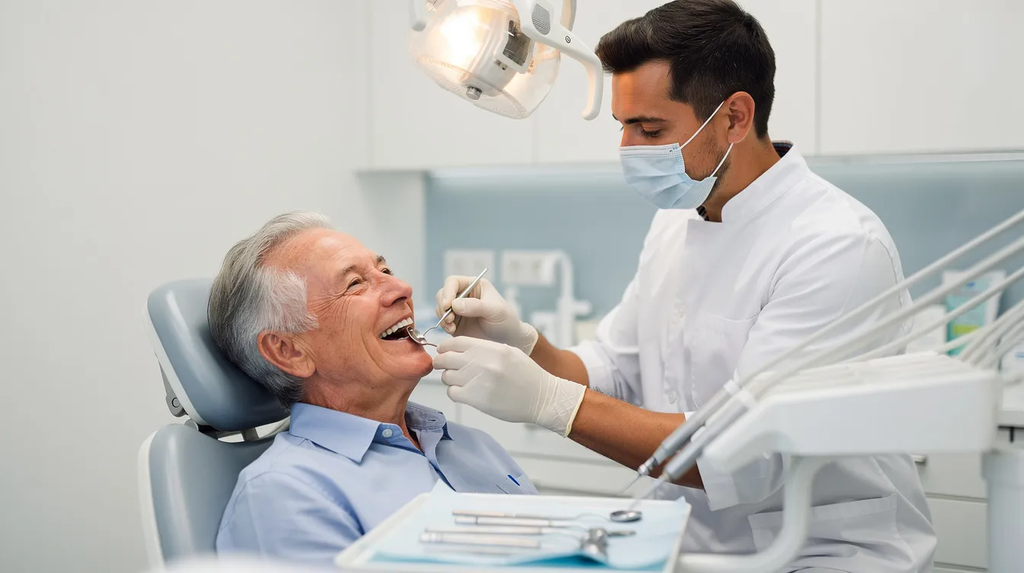
Professional care is pretty much essential if you want to keep your dentures feeling comfortable and in good nick. Regular dental check-ups are a must for denture wearers and will help catch any fit issues early on before they start to cause any real problems or damage to the underlying tissue.
What’s the recommended schedule:
- Most denture wearers should get in 6 to 12 months
- If you’re wearing immediate dentures after having some teeth taken out, then you might need to go more frequently in the first year.
Warning signs that mean you should see your dentist sooner rather than later:
- Mouth sore spots or a persistent rub
- Chronic bad breath
- A denture that’s cracked or chipped
- Changes in your bite or jaw pain
- Any kind of discomfort that doesn’t go away after a day or two
Even people who have full dentures still need to get oral cancer screenings, a check on their gum and bone health, and a professional clean of any areas where plaque might start to build up. If it’s been more than a year since your last visit or you’re wondering how much longer your current dentures will last, then it’s a good time to get in touch with your dental team to book a denture check-up.
FAQ
How long do immediate dentures last before I need my final set?
Immediate dentures are temporary and often need adjustment or replacement as your gums and underlying bone heal after extractions. The timing of your final dentures depends on your healing progress and your dentist’s assessment.
Do I still need dental checkups if I have full dentures and no remaining teeth?
Yes. Regular dental visits help your dentist assess denture fit, monitor changes in your gums and jawbone, and screen for oral health problems, including oral cancer.
Is it worth upgrading to custom dentures if I want them to last longer?
Custom dentures can offer a more individualized fit and improved comfort, depending on the materials, design, and quality of fabrication. Ask your dentist to compare the upfront cost, maintenance needs, and expected functional lifespan of the options available to you.