You know how people say that drinking milk is great for your bones, but does it actually have a trick up its sleeve to make your smile a little bit whiter? With all the claims out there about natural teeth whitening, it’s worth sorting out what milk can actually do for your teeth and what needs a trip to the dentist to sort out.
- Drinking milk won’t give your teeth the same kind of whiteness as bleaching strips or hydrogen peroxide treatments, unfortunately.
- Milk and other dairy products can help keep teeth healthy and might even help prevent new stains from forming by strengthening tooth enamel and grabbing onto staining pigments, and that can leave you with a subtly brighter smile over time.
- Milk has lactose in it, so sipping it all day or having it in a bottle at night can still lead to tooth decay if you don’t keep your teeth clean.
- Real teeth whitening needs proven methods, like whitening toothpaste with baking soda, hydrogen peroxide products, or that professional treatment the dentist offers after a check-up.
So, Does Milk Whiten Teeth or Not?
No, milk doesn’t naturally whiten teeth, at least not like a teeth whitening treatment. It won’t change the natural colour of your teeth, but it can help keep them looking whiter by making them more resistant to stains.
Milk’s got calcium, phosphorus, and casein proteins in it, which all help protect enamel from getting discoloured. Studies have also found that adding milk to black tea can reduce staining by binding to the tannins. But milk won’t get rid of existing stains or replace peroxide-based whitening treatments. Brushing or rinsing with milk isn’t a good idea either, as it’s got sugar in it that can leave behind teeth that are more susceptible to cavities.
How Milk Can Help Keep Healthy Teeth
Milk won’t make your teeth whiter overnight, but it does help them stay strong and healthy over time. The calcium and phosphorus in milk help remineralise enamel, making your teeth more resistant to stains and decay. The casein proteins in milk form a protective layer that stops staining pigments from building up, while vitamin D helps your body use all that calcium.
Milk is also gentler on enamel than acidic drinks like soda or orange juice. While it won’t give you an instant whiteness, regular consumption can help keep your natural tooth colour looking its best by keeping that enamel strong. And the same is true whether you have whole, low-fat, or skim milk.
The Catch: Sugar in Dairy Products Can Affect Your Dental Health
Milk has lactose in it, which is a natural sugar that the bacteria in your mouth can convert into acids that cause enamel erosion. Sipping milk all day or leaving it on your teeth for too long, especially before bed, can increase your risk of getting cavities. Milk won’t whiten teeth, and using it as a mouthwash isn’t a good idea either.
Good habits:
- Drink milk with your meals, not throughout the day.
- Rinse with water after you’ve had milk.
- Brush your teeth 30-60 minutes later.
- Get into a routine of brushing, flossing, and going to the dentist.
Milk, Kids and Stronger Enamel
Milk helps kids build strong teeth and jawbones by giving them calcium and vitamin D, and that helps keep enamel healthy and reduces the risk of tooth decay. But there is a catch: if you put a baby to bed with a bottle of milk, the sugar can cause “baby bottle tooth decay” because it stays on the teeth overnight.
You can also benefit from a diet rich in calcium to keep your teeth white, but milk alone won’t make your teeth whiter. A brighter smile is still going to depend on good oral hygiene and maybe a visit to the dentist now and then.
Does Adding Milk to Staining Drinks Help Keep Teeth Whiter?
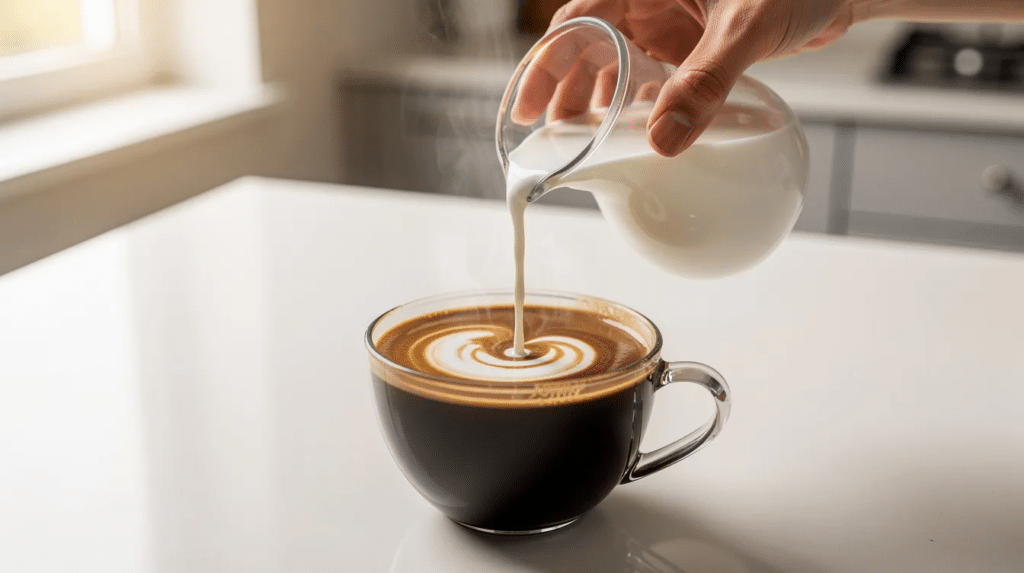
Adding milk to coffee or tea may help stop staining. Milk proteins, especially casein, bind to tannins, making them less likely to discolor enamel. This can help prevent new stains from forming, but it won’t get rid of existing discoloration or replace whitening treatments for already stained teeth.
Some tips to reduce staining:
- Add milk to your coffee or black tea
- Drink water while you’re having a dark beverage
- Try not to sip on coffee or tea for too long
- Use a straw when you’re drinking iced beverages
- Green tea stains less than black tea, but it can still discolor teeth over time.
Milk vs Other Foods That Help Keep A Brighter Smile
Milk is just one of several foods that can help keep your teeth clean and bright – even if they’re not true bleaching agents. Here’s how some other natural products and foods whiten teeth through different mechanisms:
Fibrous fruits and vegetables like apples, celery, and cauliflower have a texture that can help mechanically scrub off plaque and surface stains to keep your teeth bright. The act of chewing on these can also trigger more saliva production, which washes away food particles.
Some fruits with natural compounds:
- Strawberries contain malic acid, which might help remove stains and maybe even help whiten teeth with regular consumption.
- Watermelon has even more malic acid than strawberries for cleaning.
- Pineapple contains bromelain, which can help prevent staining from building up.
- Papaya has papain, an enzyme that dissolves stain-causing proteins.
The Secret to Healthier Teeth Beyond Milk: Cheese and yogurt are packed with lactic acid, calcium, and proteins that get to work on remineralizing tooth enamel and boosting saliva flow to give you a brighter, healthier, and more confident smile. And it’s not just about the milk content; these dairy products also provide a solid foundation for overall oral health through their lactic acid properties.
The Power of Water: And then there’s plain old water, the simplest and most effective tool for rinsing away pigments and getting a healthy shine going. Now, unsweetened green tea is also worth a mention; it may help cut down on bad breath and gum disease-causing bacteria, although it can still stain if you drink it in big quantities.
The truth is, foods and drinks that are super pigmented, think coffee, red wine, and sodas, are just begging to stain your teeth. So, do your enamel a favour by pairing them with a glass of water, a glass of milk, or some crunchy veg like carrots.
Realistic Ways to Whiten Teeth, Because Drinking Milk Just Won’t Cut It
If you want your teeth to be noticeably whiter, then you need to look beyond the old “drink a glass of milk a day” trick. Proven whitening treatments will get you much better results, and fast.
So, What Works?
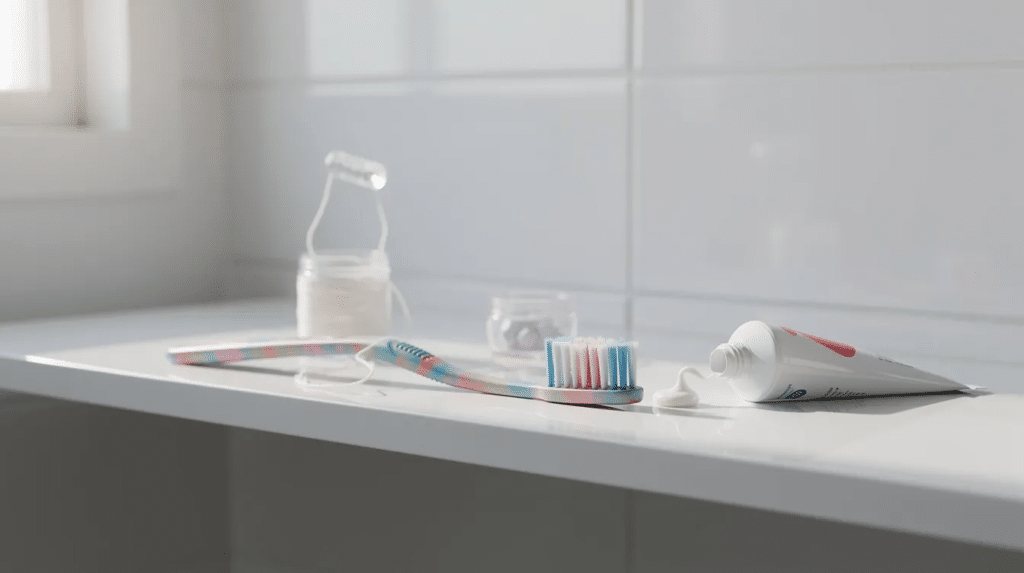
- Whitening toothpaste: Mild abrasives and baking soda work together to gently scrub away surface stains.
- Peroxide products: Whitening strips, pens, and gels use hydrogen peroxide or carbamide peroxide to get your teeth looking whiter in no time.
- Professional whitening treatments: We’re talking custom trays and in-office whitening here.
Before you go ahead and whiten your teeth, check in with your dentist if you’ve got sensitive teeth, fillings, or gum disease. They’ll be able to advise you on the best course of action.
How to Keep Your Smile Looking Bright:
- Brush twice a day and floss once a day, simple enough.
- Use fluoride or remineralizing products to keep your enamel strong.
- Limit your intake of acidic foods and drinks.
- Give the DIY whitening mixtures a miss; they can damage your enamel.
Still Doing Dairy-Free? That’s Okay.
So, you can’t or won’t drink dairy, that’s alright. There are plenty of other options out there that can still give you strong teeth and healthy enamel.
Fortified plant milks like almond, soy and oat are a good place to start. They’ve got calcium and vitamin D in spades, although they don’t have the same casein proteins as dairy. Go for the unsweetened varieties to stay on the safe side.
Other enamel-friendly, calcium-rich foods include:
- Leafy greens like kale and collard greens
- Canned fish with bones, think sardines and salmon
- Calcium-set tofu
- Nuts and seeds
These foods will help strengthen your teeth, but if you’re after a whiter smile, forget the DIY approach and stick with the proven whitening methods like whitening toothpaste, hydrogen peroxide products, or professional treatments, not to mention regular dental check-ups.
Frequently Asked Questions
Does Soaking Your Teeth in Milk Really Work?
Nope. There’s no science behind the idea that milk will whiten your teeth through soaking. In fact, lactose can actually feed cavity-causing bacteria.
Is Chocolate or Flavoured Milk Good Or Bad For My Teeth?
Flavoured milk and chocolate milk are not your best friends when it comes to white teeth. Sure, they’re tasty, but they contain added sugars and colourings that increase the risk of cavities and staining. Drink in moderation and make sure to rinse with water afterwards.
Can Milk Help With Bad Breath Or Dry Mouth?
Milk may well mask bad breath for a bit, but it can also leave behind lactose that feeds bacteria, which cause nasty odours. For persistent bad breath and dry mouth, try water, sugar-free xylitol gum and a dental check-up. Remember, dry mouth increases your risk of tooth decay.
Using Baking Soda and Milk Together As A Whitening Paste: Worth It Or Not?
It’s a no from us. Mixing baking soda with milk won’t get you any better results than using baking soda and water. And if you’re using a DIY abrasive paste too often, you can end up wearing away your enamel. For safer daily whitening, go for a professionally formulated whitening toothpaste.
Drinking Milk Before Or After Coffee: What’s The Best Way?
Drinking milk with your coffee might help reduce staining by binding to pigments. But if you do drink a lot of dark drinks, try rinsing with water and then waiting about 30-60 minutes before brushing. This should help keep your teeth looking whiter and healthier.