
So, you’ve gotten a broken tooth, and your dentist says you need a dental crown, you’ve probably got one question top of mind: Do dental crowns hurt?
It’s natural to wonder. Dental work can be intimidating when you hear terms like drilling, shaping, or putting on a temporary cap.
A dental crown is a custom cap placed in order to protect the natural tooth underneath, if the tooth has been damaged, weakened, worn down, or restored. It might be recommended after a large filling, a crack, root canal treatment, heavy wear, or when a tooth needs a bit of extra support and protection.
Getting a crown shouldn’t hurt during the procedure because the area is numbed first. You might feel a bit of pressure or some vibration from the tools, but actual pain is not what you should be expecting.
Afterward, you may experience some tenderness or sensitivity, but that’s a different story from what you’d feel during the actual treatment.
So, Is Getting a Dental Crown Painful Or Not?
Getting a dental crown is generally pretty manageable.
Dentists use a local anesthetic to numb the tooth and the area around it before preparing it. It’s this that makes the whole thing a lot more comfortable while they shape the tooth, scan it, or fit on a temporary cap.
Getting a crown typically shouldn’t hurt during the procedure because the dentist numbs the area first. You might feel some pressure or mild discomfort, but it’s not going to be sharp pain.
After the visit, you might get some temporary gum soreness or tooth sensitivity, and that usually starts to fade over time.
What’s key to remember is that there’s a difference between the discomfort you get during the procedure and the sensitivity you may feel afterward.
During the procedure, the numbing should prevent sharp pain. After the appointment, you may feel a bit tender because the area has been worked on.
Here’s the thing: you should tell your dentist if something hurts during the appointment.
You don’t have to just grit through sharp pain. The dentist can pause, take a look, and add some more numbing if needed.
Local Anesthesia: Why the Dental Crown Placement Procedure is Usually Manageable
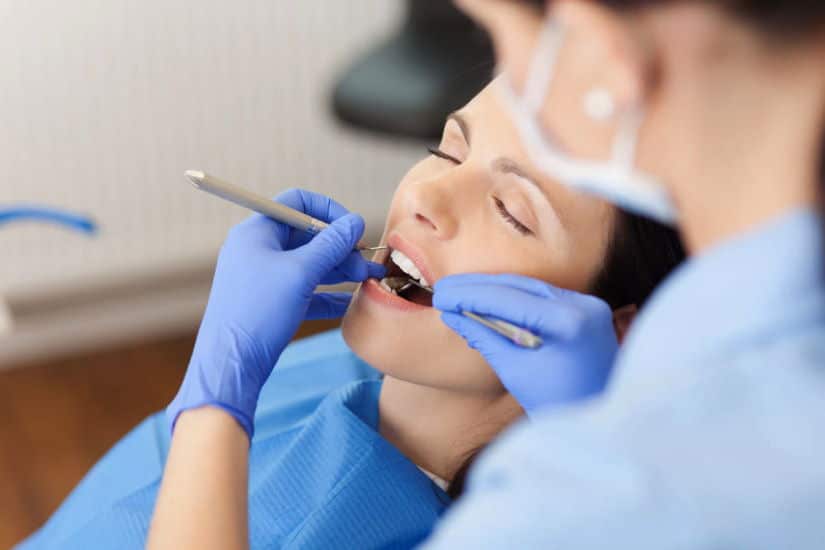
A local anesthetic is used to numb the area that’s being treated. You’ll be awake, but the tooth and the gums around it should feel numb.
You might feel some movement or pressure, but the painful sensation should be well under control.
For the anxious patients out there, knowing this can help make the appointment feel less overwhelming.
A crown procedure isn’t just about fixing the tooth; it’s also about making sure you’re comfortable enough to see it all the way through without any issues.
You’re probably still going to feel a bit nervous, especially if you’ve had a tough dental experience in the past. That’s normal.
Talking openly to your dentist is a big help. Explain to them if you’re feeling anxious, or sensitive to dental work, or worried about pain before the appointment starts.
A good dental team should be able to explain what’s happening at each step, check in with you during treatment, and give you breaks when you need them. Knowing what to expect can make a big difference and can even make the appointment feel a lot less stressful.
What You May Feel During Tooth Preparation
To put a new crown on, the dentist has to reshape the tooth so the crown can fit over it.
This usually involves a dental drill, some water spray, a bit of suction, and careful shaping around the tooth itself.
Because the area is numb, this shouldn’t feel like sharp pain.
You might feel some pressure or vibration. You may also hear some loud noises that sound pretty intense, even if the tooth itself doesn’t hurt at all.
Some patients say it’s the sound that’s the problem, not the sensation itself.
Dental tools can be pretty loud, and your mouth is a pretty sensitive area. But just because you hear something loud, it doesn’t mean it’s going to hurt.
If you do feel a sharp sensation, just raise your hand or talk to your dentist.
The appointment can be paused. They might add some more anesthetic or take a closer look to see what’s causing the sensitivity.
What Happens During a Dental Crown Procedure?
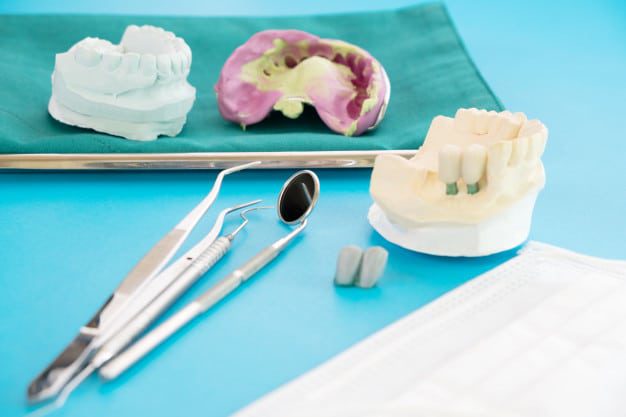
A crown procedure usually starts with an exam.
The dentist will take a look at the tooth, talk to you about your symptoms, and decide if a crown is the right way to go. In some cases, X-rays may be used to take a look at the tooth structure and the bone around it.
Once treatment is underway, the area is numbed.
The dentist then prepares the tooth by taking off any damaged parts and shaping it for the crown. The goal is to create enough space for the crown to fit in securely, without feeling too chunky.
After the tooth is prepared, the dentist will take some impressions or digital scans.
These are used to design the final crown, so it matches your bite, tooth shape, and smile as closely as possible.
In many cases, you’ll be fitted with a temporary crown while the permanent one is being made.
The temporary crown will protect the tooth, help with appearance, and let you eat and talk more comfortably during the waiting period.
Temporary Crowns May Feel A Bit Off at First
A temporary crown can feel a bit different than your natural tooth at first.
It might feel a bit bulky, or rough, or sensitive, because it’s not the final restoration.
Temporary crowns are usually stuck in place with strong dental cement, which means they’re not as strong or secure as permanent crowns.
That’s why you might be asked to avoid sticky candies, chewing gum, hard foods, or chewing too heavily on one side of your mouth.
Some sensitivity with a temporary crown can pop up, especially with cold drinks or putting too much bite pressure on it.
Sharp pain, swelling, or a temporary crown that feels loose should be checked out right away.
Final Crowns Are Fitted Just Right
When your permanent crown is finally ready, the dentist checks and makes bite adjustments to make sure it fits and sits just right.
This is a big deal because even a tiny high spot can make the crown feel awkward when you eat.
If the crown feels too high, you might feel some pressure when biting down.
The dentist can make minor adjustments on the surface so your bite feels even again. Don’t ignore that feeling because bite pressure can end up making the tooth ache over time.
Once everything fits perfectly, the crown is cemented in place.
The result should feel solid, functional, and more like your own tooth back than that temporary one. A little bit of adjustment time is normal, but your crown shouldn’t feel painful or distracting anywhere down the line.
Is It Normal To Have Pain After Getting a Crown?
Mild soreness after a crown can be normal, especially around the gums or the tooth that was worked on.
You might also notice some sensitivity to cold, heat, or pressure for a few days, no more, no less.
This discomfort should start to fade away.
You shouldn’t feel nerve pain that feels sharp, intense, or gets worse each day. If the tooth pain starts to feel worse instead of better, it’s worth giving a call to your dentist.
How Long Does Crown Sensitivity Usually Last?
For most patients, crown sensitivity lasts a few days.
Some teeth need a bit more time, especially if the tooth was in bad shape, had a huge filling, a crack, or had a recent root canal treatment.
A temporary crown might also feel a lot more sensitive than the final one because it’s not as strong or precise.
Once the permanent crown is in and adjusted, the tooth usually feels way better.
When Crown Pain Is Not Normal
You should call your dentist if you feel sharp pain, throbbing, swelling, fever, a bad taste, or pain when biting down. A loose crown or a crown that feels too high should also be checked out pronto.
Pain when biting can sometimes mean the crown just needs to be adjusted to fit right.
It might also mean the tooth needs a closer look. Either way, don’t shrug it off.
Getting a Dental Crown in Los Algodones Can Be a Breeze

For U.S. and Canadian patients, Los Algodones is a super-convenient destination for dental crowns because it’s got quick border access, super-efficient appointments, and savings compared to U.S. prices.
Los Algodones is often chosen for focused dental visits and easy travel planning.
At Dental Solutions Algodones, our patients can chat about crowns, sensitivity, materials, timing, and costs regarding any kind of dental care before they travel.
We’ve got bilingual staff, and we make sure to provide clear communication, state-of-the-art equipment and materials, a free virtual diagnostic, plus shuttle, logistics, and all the help you need
A visit to our office can also feel really approachable.
Los Algodones has the feel of a typical Mexican town, with nearby markets, shops, and local food you can check out while you’re waiting for your appointment.
When to Ask for a Quote or Consultation
You might want to reach out to our dentist’s office for a consultation if you have a broken tooth, a huge filling, an old crown, worn teeth, sensitivity, or cosmetic concerns.
Crowns are also part of a larger treatment plan sometimes, especially if you’re restoring a few teeth.
A Free Virtual Diagnostic can help you figure out your options before you travel.
You can ask what type of crown might be best for you, what the cost might be, and how the visit could be planned out.
FAQ
Does Getting a Crown Hurt With Numbing?
It shouldn’t hurt too sharply because the area is numbed up. You might still feel some pressure, movement, or vibration during the whole process.
How Long Will My Tooth Hurt After a Crown?
Mild sensitivity might last a few days. Pain that gets worse, lasts too long, or feels sharp should be checked by your dentist.
Why Does My Crown Hurt When I Bite Down?
The crown might just be a bit too high, or the tooth might need a closer look. A dentist can check and adjust the bite if needed.
Is a Temporary Crown Supposed to Hurt?
Some sensitivity can pop up with a temporary crown. Sharp pain, swelling, or looseness should be looked at right away.
Plan Your Crown Treatment With Clear Guidance
Getting a crown should be pretty manageable with numbing, clear communication, and good follow-up.
Dental Solutions Algodones can help you figure out your options with bilingual support and all the travel help you need if you’re planning crown treatment in Los Algodones.
Get a Free Quote and Plan out your Crown Treatment with a Whole Lot More Confidence.