If you have ever opened a quote for implants, crowns, or a full smile makeover at home and felt your stomach drop, you are not alone. That is often the moment when “dental work in Mexico” stops being a vague idea and becomes a serious option. The promise is simple: you travel a little, save a lot, and still get modern, safe treatment.
The challenge is knowing how to trust what you see online. Between glossy websites, directory listings, and social media, it can be hard to tell which clinics are truly solid and which are just saying the right things. This guide walks you through how to find a good dentist in Mexico, using Los Algodones as a real example of how a border dental hub works and what to look for before you book.
Quick answer: How to find a good dentist in Mexico
- Define your treatment needs and budget.
- Choose the right hub, such as Los Algodones or Cancun.
- Build a shortlist of clinics with named dentists, real reviews, and modern equipment.
- Verify credentials, materials, imaging, and warranties.
- Compare written treatment plans and total trip costs, and how clearly each clinic communicates.
Why So Many Patients Look for Dentists in Mexico
Before you focus on specific dentists or clinics, it helps to understand why Mexico has become such a big destination for dental care. In the United States and Canada, complex treatments like implants, All-on-4, and full-mouth reconstructions can cost as much as a small car or even a house deposit. For many people, insurance only covers a fraction of that total, if it covers anything at all.
Mexico sits just across the border, but operates with very different cost structures. Lower overhead, lower insurance and staffing costs, and different fee schedules allow reputable clinics to offer significant savings compared with typical US prices. It is common for international patients to see quotes that are 50 to 70 percent lower than what they were offered at home, especially for large treatments. When your case involves many implants, crowns, or veneers, that difference can easily add up to tens of thousands of dollars.
Of course, price is not the only story. Over the past two decades, Mexico has built mature dental tourism hubs that serve patients from the US and Canada every day. Cities such as Los Algodones, Cancun, Tijuana, Playa del Carmen, and Mexico City are home to clinics with specialists, digital imaging, high-quality implant systems, and bilingual staff that focus on international patients. Many of these clinics adopt protocols, equipment, and materials comparable to what you would find in a high-end private practice north of the border.
The important nuance is this: quality varies by clinic, not by country. In any country, you can find excellent, average, and poor providers. Mexico is no different. The goal is not simply to “go to Mexico” but to learn how to select clinics that meet strong standards: clear credentials, modern technology, high-quality materials, well-organised labs, and transparent pricing.
Step 1 – Get Clear on Your Dental Case and Budget
Before you search for “best dentist in Mexico,” you need to be very clear on what you are actually looking for. The more you understand your own case and budget, the easier it becomes to spot clinics that are a good fit and avoid the ones that are not.
Understand your treatment type (and why it matters)
Most people who travel for dental care fall into a few broad groups. You might recognise yourself in one of these:
- You are missing a single tooth and need one dental implant with a crown.
- You are missing several teeth in a row and are considering multiple implants or a bridge.
- You have few or no healthy teeth left and are looking at All-on-4 or full-arch implants.
- You have many damaged or worn teeth and need crowns, veneers, or a full smile makeover.
- You are dealing with infections or deep decay that require root canals and extractions before anything else.
Each of these scenarios calls for slightly different skills. A clinic that is excellent with simple fillings but rarely performs full-arch implants is not the right place for a complex All-on-4 case. For full-mouth work, you want teams that deal with implant dentistry, prosthodontics, and complex treatment planning on a daily basis, not once in a while.
This is where places like Los Algodones stand out. Because so many international patients arrive needing advanced treatments, clinics in this border town have developed strong experience in implants, bridges, and complete reconstructions. A good clinic there typically coordinates several specialists under one roof so you are not bouncing between random offices.
Stepping back, your first task is simple but powerful. Use your current X-rays, dentist notes, or past quotes to answer three questions:
- How many teeth are involved?
- Are we talking about implants, crowns, dentures, or a mix?
- Is my case mostly cosmetic, mostly functional, or both?
Once you are clear on that, you can search for “Mexican dentist for implants,” “All-on-4 in Los Algodones,” or similar phrases that match your actual needs. That is much more effective than a generic search for “cheap dentist in Mexico”.
Build a realistic budget range
Next comes the hard part: money. It is tempting to latch onto the lowest number you see in a blog or ad. Instead, try to think in ranges and totals, not single prices.
Typical patterns look something like this:
- A single implant with a crown in Mexico often costs a fraction of what you were quoted at home.
- An All-on-4 or full-arch bridge can still be a big investment, but many patients save enough to cover flights and hotels, and still come out ahead.
- Multiple crowns, veneers, or bridges are often where Mexico becomes especially attractive, because the savings repeat across each tooth.
Numbers vary by city, clinic, and materials, so focus on the structure. A good plan is to:
- Take the quote you received at home.
- Assume you might pay 50 to 70 percent less for the same type of work in a strong Mexican clinic.
- Add realistic travel costs on top.
- Travel includes more than flights. You should factor in:
- Transportation to and from the clinic (shuttle, rental car, taxi).
- Accommodation for the nights you need to stay.
- Meals, small purchases, and maybe a short visit to local markets or attractions.
- Extra nights in case your mouth needs more healing time than expected.
Border towns like Los Algodones can be very gentle on that second line of the budget. Many patients simply drive to Yuma or Winterhaven, park on the US side of the Andrade Port of Entry, then walk across to their clinic. That means no flights, no long transfers, and usually lower hotel costs compared with a resort city.
Once you sketch this out, you will have a clearer picture of what “affordable” really means for you. The goal is not to chase the lowest possible price, but to find a clinic that fits both your health needs and your financial reality without nasty surprises later.
Step 2 – Choose the Right Mexican Dental Hub for You
Not all dental cities in Mexico feel the same. Picking the right hub is almost as important as picking the right clinic. The good news is that once you understand the basic types of destinations, the choice becomes much clearer.
Border towns like Los Algodones – quick trips and high savings

Border towns such as Los Algodones, often called “Molar City,” are built around dental care. Los Algodones sits just across from the Andrade Port of Entry in California, a short drive from places like Yuma, Arizona. Many patients park on the US side, walk across the border, and reach their clinic within a few compact blocks.
This setup offers several advantages:
- Simple access if you live in the western US or western Canada and are willing to drive.
- Short, focused trips where you come in for diagnostics and treatment, then head home without needing a full vacation.
- High clinic density, which creates competition around price, service, and quality.
A town atmosphere that is small, walkable, and easy to navigate even if you do not speak Spanish.
Because so many visitors are from the US and Canada, good clinics in Los Algodones tend to be very used to bilingual communication, written treatment plans in English, and payment methods that feel familiar. Many also help coordinate local lodging and shuttles so you can move between your hotel and the clinic without stress.
If your main goal is to save money, minimise travel time, and get in and out efficiently, a hub like Los Algodones is often a strong match.
Resort hubs like Cancun versus big-city options
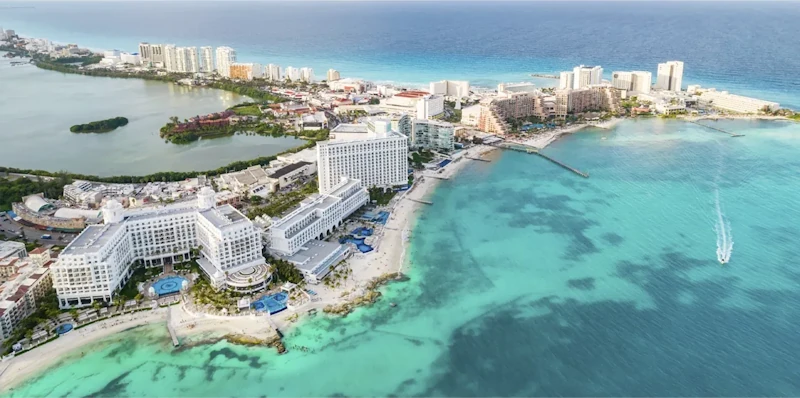
On the other end of the spectrum, you have resort cities such as Cancun and Playa del Carmen. These places offer something different. Patients often plan a beach stay, bring family along, and mix appointments with rest days by the sea. For some people, recovering in a hotel overlooking the Caribbean is a huge plus.
The trade-off is cost and logistics. You will need to pay for flights, airport transfers, and hotels, which can eat into the savings from treatment if you stay many days. At the same time, resort hubs are designed around international tourism, so you get plenty of hotel choices, restaurants, and activities if you want to combine treatment with a vacation-style trip.
Then there are big-city options like Tijuana or Mexico City. These cities have large medical communities and major hospitals, and a mix of clinics, from budget-focused to ultra high-end. They may be ideal if you need access to hospital-based care or want to combine dental work with other medical treatments. The flip side is that traffic, distances, and navigation can feel more complex if you are not familiar with large urban areas.
None of these hubs is “better” in absolute terms. The right choice depends on your preferences:
- Do you want a short, practical trip focused on treatment? Border hubs shine.
- Do you want to turn the experience into a getaway with beaches and resorts? Cancun-style destinations might suit you.
- Do you need the infrastructure of a big city and hospital backup? Major urban centres can make sense.
Why do many implant patients pick Los Algodones
If you specifically need implants, All-on-4, or full-mouth restoration, it is worth giving Los Algodones a close look. The town built its reputation by serving patients who needed exactly those kinds of treatments. Because of this, reputable clinics there tend to:
- Work with experienced implant dentists and prosthodontists.
- Invest heavily in digital imaging and planning technology.
- Coordinate lab work for crowns and bridges at a high volume, which can improve speed and consistency.
- Focus on clear pricing and package-style quotes, since most patients are international.
If you like the idea of a short, focused trip in a small Mexican town, where you can walk from the border to your clinic, grab a bite of regional food between appointments, and then head back over the border the same day, Los Algodones is probably near the top of your list.
Step 3 – Build a Shortlist of Clinics You Actually Trust
Once you have picked a destination and sketched your budget, it is time to turn “hundreds of search results” into three to five clinics you trust. This step can feel overwhelming, but a simple process makes it manageable.
Start with trusted sources and real patient experiences
There is no single perfect website for finding a dentist in Mexico. Instead, think in layers:
- Specialised dental directories and marketplaces can help you see many clinics in one place.
- Search engines and map listings show you clinics with strong online presence and local visibility.
- Patient reviews and stories give you hints about real experiences and outcomes.
When you read reviews, try to look for repeated patterns rather than isolated comments. One unhappy patient after hundreds of successful treatments does not necessarily mean a clinic is unsafe. On the other hand, a series of reports about poor communication, confusion about pricing, or rushed treatment should make you pause.
Spend a little extra time with any detailed stories you find. Look for mentions of:
- What treatment did the patient receive?
- How long they stayed and how many visits they needed.
- How the clinic handled pain control, follow-up, and unexpected issues.
- Whether the staff communicated clearly in English.
- These long-form experiences often tell you more than a quick five-star rating. They are also a good way to compare promises with what actually happens during real cases.
Compare clinic profiles, not just headlines
Next, click through to the clinic websites of the most promising names. Instead of skimming just the homepage, try to build a mini profile for each clinic. Key things to check include:
- Named dentists with photos and biographies rather than anonymous “team” sections.
- Clear lists of treatments offered, especially the ones you need, such as implants, All-on-4, crowns, veneers, or root canals.
- Information about equipment and technology, such as digital X-rays, CT scans, or CAD/CAM systems.
- Mention of bilingual or English-speaking staff, which greatly reduces the risk of misunderstandings.
- Transparent explanations of how they create treatment plans, what materials they use, and how pricing works.
Watch for red flags in online research
While you are building your shortlist, keep an eye out for red flags that suggest higher risk. Some common warning signs include:
- No physical address or a vague description of where the clinic is located.
- No names or photos of individual dentists, just a brand name.
- Very few real photos of the clinic, equipment, or team.
- Websites that only talk about being “the cheapest” without mentioning materials, safety, or training.
- Pressure-heavy wording that tries to push you into booking quickly.
None of these automatically means a clinic is unsafe, but together they should make you more cautious. On the other hand, clinics that invite questions, show their team and workspace, and describe how they work step by step are usually more confident in their standards.
Step 4 – Verify Dentist Credentials, Technology, and Materials
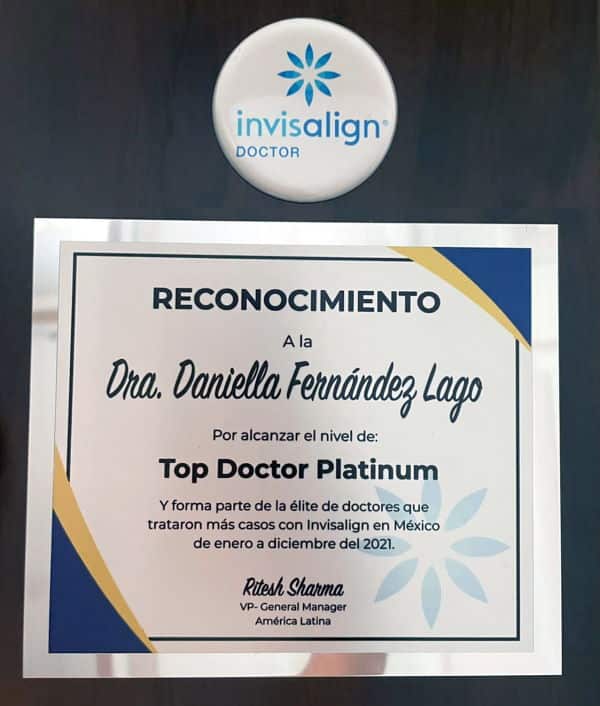
This is where your shortlist turns into real confidence. A good website can look convincing, but a good clinic can prove its credentials when you ask. You are not being difficult when you ask about licenses, training, or materials. You are doing exactly what careful patients do.
Confirm licenses, training, and memberships
Every dentist in Mexico must have a professional license. You are within your rights to ask for a dentist’s full name and license number and to verify it through official channels. A serious clinic will share that information without hesitation and may even show it on the wall or on its website.
Look as well at where and how the dentists were trained. Many strong clinics in Los Algodones and other hubs highlight:
- Dental degrees from recognised universities in Mexico, such as the Autonomous University of Baja California.
- Specialties in prosthodontics, endodontics, orthodontics, or oral surgery when relevant.
- Ongoing education from international institutions, congresses, or implant institutes.
- Memberships are another layer. When a clinic states that it is associated with organisations like the American Dental Association or participates in international implant societies, that tells you the team is actively engaging with broader professional standards. It is not the only sign of quality, but it is a reassuring one.
Ask about imaging, labs, and implant brands
The next piece of the puzzle is technology. For implant and full-mouth cases, modern imaging and lab support are not luxuries. They are part of safe, predictable treatment.
You can ask any clinic:
- Do you use digital X-rays or CBCT scans to plan implant surgeries?
- Do you have CAD or CAD/CAM systems for designing crowns, bridges, and full arches?
- Do you work with an in-house dental lab or a specific partner lab, and what quality standards do they follow?
Materials deserve the same level of attention. For implants, you can ask which implant brands a clinic uses. Names such as Nobel Biocare or other well known systems indicate that the clinic is working with recognised manufacturers, compatible components, and strong, long term data. For crowns and veneers, you can ask whether they use zirconia, porcelain fused to metal, or full ceramic options, and why they recommend one over the other for your case.
You do not need to become a materials expert. You just need to see whether the clinic can answer these questions plainly and consistently. That is often the clearest sign of all.
Understand infection control, warranties, and aftercare
Good clinics do more than create pretty smiles. They protect your health. It is entirely appropriate to ask how a practice handles infection control. Look and ask about:
- Sterilisation of instruments.
- Use of single-use items where appropriate.
- Clean, organised treatment rooms.
- Protective equipment for staff and patients.
Reputable clinics will often have written protocols and will be happy to explain them. If the team acts irritated or confused when you ask, that is a signal in itself.
You should also ask about warranty and aftercare policies. These vary between clinics, but a typical structure might involve:
- A defined period during which work is covered if it fails under normal use.
- Clear conditions about what is covered and what is not.
- A process for what happens if you live abroad and need to return for an adjustment or repair.
Step 5 – Compare Treatment Plans and Total Trip Costs the Smart Way
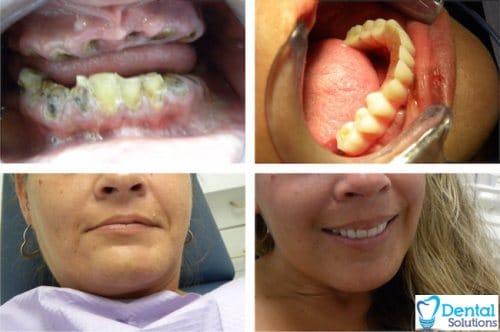
By now, you should have a handful of clinics that feel promising and have passed your basic credential checks. The next step is to compare treatment plans in a structured way, instead of just scanning for the lowest number.
Read your treatment plan like a pro
- A solid dental treatment plan is more than a single line that says “All-on-4” or “full smile makeover”. It should lay out:
- Your diagnosis, including which teeth are savable and which are not.
- The sequence of procedures includes extractions, bone grafts, implant placement, provisional restorations, and final prosthetics.
- The materials and systems are planned for each step.
- The estimated timeline, including healing periods and the number of trips you may need.
Do not be shy about taking notes or asking follow up questions by email or video call. A serious clinic will never make you feel bad for wanting to understand what will happen in your own mouth.
Number of visits and total time required.
Sometimes a cheaper quote hides the fact that it uses lower end materials or a less stable type of prosthetic. Other times, a higher quote might include more comprehensive preparatory work that protects your long term outcome. Your comparison table helps you see these differences more clearly.
If one clinic refuses to provide enough detail to fill in the table, that is telling. It might be easier in the moment to accept a vague promise, but in the long run you want a plan you can understand.
Include travel and “hidden” costs in your math
Finally, remember that your real cost is dental fees plus travel and time. To avoid surprises, add lines for:
- Flights or gas and tolls.
- Hotels or other accommodation.
- Meals and everyday expenses.
- Extra nights in case a healing phase takes longer than expected.
- Time away from work or caregiving.
When you combine all of this information, you can see not just which clinic is cheaper on paper, but which one offers real value for your specific needs.
Step 6 – Evaluate Communication, Logistics, and How You Feel
You could have the best plan on paper and still end up stressed if communication is poor or logistics are confusing. The last step is to evaluate how you feel about each clinic as a partner.
Clear communication and informed consent
Good dentistry is built on informed consent. That means:
- You understand the diagnosis and the main treatment options.
- The dentist explains risks, benefits, and alternatives.
- Realistic expectations are set for appearance, function, and longevity.
- You get time to ask questions and think, without pressure.
Pay attention to how a clinic handles your first contacts by email, chat, or video. Do they answer all your questions clearly? Do they send written summaries or treatment proposals you can revisit later? Are they willing to explain technical terms without making you feel silly?
Use virtual diagnostics and quotes as a filter, not just a price check
Many modern clinics now offer Free Virtual Diagnostics or Free Quotes. Used well, these are powerful tools. Instead of treating them as a quick way to grab a number, treat them as:
- A chance to see how carefully the clinic looks at your X-rays and photos.
- An early test of how clearly they explain your options.
- A low-pressure opportunity to ask what they would do for a family member in your situation.
You can request virtual evaluations from two or three clinics and compare prices, depth, and tone of each response. The clinic that gives the cheapest quote is not necessarily the best. Often, the clinic that asks more questions and sends you a thoughtful explanation is the one you will feel safest with in the chair.
Picture your actual day in Los Algodones
Logistics are not just about tickets and border crossings. They are about how you will feel moving through a space while managing treatment and sometimes discomfort.
If you choose Los Algodones and a clinic like DSA, your typical day might look like this:
- You wake up in Yuma or a nearby town, have breakfast, and drive a short distance to the US side of the Andrade Port of Entry.
- You park in a paid lot near the border and walk through the pedestrian crossing with your passport.
- A few minutes later you are in Los Algodones, walking through a small grid of streets lined with clinics, pharmacies, and shops.
- You arrive at Dental Solutions, check in with the bilingual front desk staff, and head for imaging or your appointment.
- After your visit, you might rest at a café, pick up a few essentials at the local market, and then walk back through the border to your car.
It is a compact, walkable experience. Many patients appreciate that they can step into a Mexican town, get world class dental work, and then step back into the US on the same day. You still get touches of local culture and regional food, but the core of the experience stays focused on your health and comfort.
When Mexico Is (and Is Not) the Right Choice for Dental Work
No destination is perfect for everyone. One of the most reassuring things a clinic can do is help you decide honestly whether dental care in Mexico fits your situation.
Great fit situations for Mexican clinics
Mexico can be a very good choice when:
- You need multiple implants, crowns, or full mouth reconstruction that would be unaffordable at home.
- Your general health is stable and you have your medical conditions under control.
- You are able to travel and plan at least one block of time that covers treatment and initial healing.
You are willing to do some research, ask questions, and follow aftercare instructions carefully once you return home.
Cases that may require hospital based care at home
There are also cases where you should move more slowly or consult with hospital based teams in your own country. For example:
- You have serious heart, lung, or bleeding conditions that may require close coordination with medical specialists.
- You need procedures under deep sedation or general anaesthesia that are better done in a hospital operating room.
- You have very limited mobility or support and might struggle with cross border logistics.
This does not mean Mexico is off the table. It simply means that you should discuss your full medical history with any clinic during the diagnostic phase. A responsible dentist will tell you if your case is better handled in a hospital environment or with a different kind of support.
When you see a clinic acknowledge these boundaries, that is usually a good sign. It means they are thinking about your overall safety, not just completing the sale.
How Dental Solutions Algodones Checks the Boxes
By now, you know what to look for in a dentist and clinic in Mexico. To make this more concrete, it helps to see how a specific clinic aligns with that checklist. In Los Algodones, Dental Solutions Algodones is one example of a practice that leans into transparency and specialisation.
Team, training, and specialties at DSA
DSA is a dental clinic formed by three professional sisters in different specialties, supported by a wider team of dentists:
- DDS Xochiquetzalli Bojorquez, focused on endodontics.
- DDS Alejandro Barragan, oral surgery and implant expert.
- Prosthodontic, orthodontic, and cosmetic specialists who handle the restorative side of treatment.
- Several senior dentists who cover general dentistry, restorative care, and follow up.
Our team is associated with the American Dental Association and has engaged in continuing education at institutions such as Harvard Medical School, the Malo Institute, and Megagen. This mix of local and international training matches what you would hope to see in a clinic that takes complex implant and full mouth cases seriously.
For you as a patient, that translates into one location with surgical, restorative, and cosmetic expertise, instead of scattered visits across multiple offices.
Technology, lab standards, and prices at DSA
We emphasise its CAD/CAM technology, in-house X-ray services, and full-service laboratory. That means many of the steps that would be outsourced in smaller practices can be managed under one roof:
- Digital imaging and planning for implants and full arches.
- Design and fabrication of crowns, bridges, and implant-supported prosthetics.
- Closer control over materials and quality for each case.
On the pricing side, we publish a detailed price list.
What to expect from your Free Virtual Diagnostic or first visit
- You fill out a form with your contact details, treatment goals, and any relevant medical history.
- You send recent X-rays or scans if you have them.
- One of our dentists review your information and sends a preliminary treatment proposal with price ranges.
- You can ask follow up questions and, when ready, schedule an in person visit.
When you arrive for your first visit, you can expect updated imaging as needed, a review of your treatment plan, discussion of alternatives, and clear aftercare guidance. Throughout, bilingual staff and dentists help you understand each step, from the first exam to the last check up.
FAQs About Finding a Good Dentist in Mexico
Is it safe to get dental work done in Mexico?
It can be safe when you choose the right clinic in an established hub and take the time to verify credentials, technology, and materials. Safety comes from choosing well trained dentists in well equipped clinics, not from the country alone. Border hubs like Los Algodones and resort cities like Cancun host many clinics that meet high standards.
How much cheaper is dental work in Mexico compared to the US?
Savings vary by case, but many patients see reductions of 50 to 70 percent, especially for implants, crowns, and full mouth work. At clinics such as Dental Solutions Algodones, published prices show implants and All-on-4 treatments that can cost thousands less than typical US quotes, even after you add travel costs.
What is the best city in Mexico for dental implants?
There is no single best city, but several hubs are very popular for implants. Los Algodones is known for its high concentration of clinics near the border and strong savings. Cancun, Tijuana, and Mexico City also host respected implant centres. The right choice depends on your travel preferences, budget, and whether you want a quick in and out trip or a longer stay.
How do I check a dentist’s credentials in Mexico?
Start by asking for your dentist’s full name and professional license number. Check whether they list their degree and specialty on the clinic’s website and whether they participate in recognised associations. You can also ask about international courses and look up external profiles on trusted dental tourism sites to confirm training and experience.
Will my Mexican dental work be covered by insurance back home?
Many clinics in Mexico do not bill foreign insurance directly, but they can help you with paperwork for potential reimbursement. You pay out of pocket, then submit forms and receipts to your insurer in the United States or Canada. Coverage depends on your specific policy, so it is wise to contact your insurer before you travel.