
You’re probably not alone if you’re stuck trying to decide between veneers and crowns. The thing is, the right choice comes down to what your natural tooth really needs, not just how you’d like it to look.
You can only learn so much from staring in the mirror, and in most dentist consultations, the first thing to establish is whether you’re looking to spruce up the looks or really protect the tooth in question.
Veneers vs Crowns at a Glance
Use this as a starting point, not a self-diagnosis. An exam and X-rays are what confirm your best option.
| Feature | Veneers | Crowns |
| Coverage | Front surface (sometimes the edge) | Entire tooth coverage |
| Best for | Cosmetic changes on mostly healthy teeth | Teeth that need protection or reinforcement |
| Tooth prep | Usually more conservative | Typically more reduction overall |
| Common “smile zone” use | Colour, shape, small chips, small gaps | Big chips, cracks, large fillings, post root canal teeth |
| Biggest limitation | Needs enough healthy tooth enamel to bond | Not always needed for purely cosmetic tweaks |
Veneers are often about appearance first; dental crowns are often about strength first.
Dental Veneers are a popular Cosmetic Dentistry method to restore the appearance of front teeth.
Veneers are essentially very thin layers made of porcelain or composite resin that are bonded to only the front surface of the natural tooth to give it a bit of a facelift. They can make the colour, shape and overall symmetry of the tooth look way better, especially on the front ones. Think of them as a cosmetic layer slapped on top of a healthy base.
What they’re not is a quick fix for a tooth that’s struggling. If there’s serious tooth decay, a deep crack or a massive filling, a veneer might not be the best long-term play.
Porcelain Veneers vs Composite Veneers: What You Need to Know
Porcelain veneers are the lab-made variety and generally hold up way better in terms of colour and polish over time. Composite veneers, on the other hand, are often put right on the tooth in the dentist’s chair, which can be faster and a bit more budget-friendly for some.
Both have the potential to look natural if the planning is spot on, but what really matters is whether the natural tooth underneath is healthy enough and whether you’re putting a lot of pressure on that tooth when you chew.
What Your Dentist Needs to Check Before Even Saying “Yes” to Veneers
A good veneer plan’s got to start with the basics that’ll protect your investment, right?
- Tooth health: Is there any untreated decay, infection or hidden damage lurking around?
- Tooth enamel quality: Is there enough healthy enamel for the veneer to stick to?
- Gum health: are your gums stable and cleanable?
- Bite: How do your teeth line up when you chew and grind?
If you’re a grinder or clencher at night (bruxism), it doesn’t automatically rule out veneers, but it will affect the plan. A night guard might be recommended, or your dentist might suggest certain teeth are better off with a different solution altogether. Bruxism changes the whole conversation.
What Dental Crowns Are: A Full-Fledged Restoration
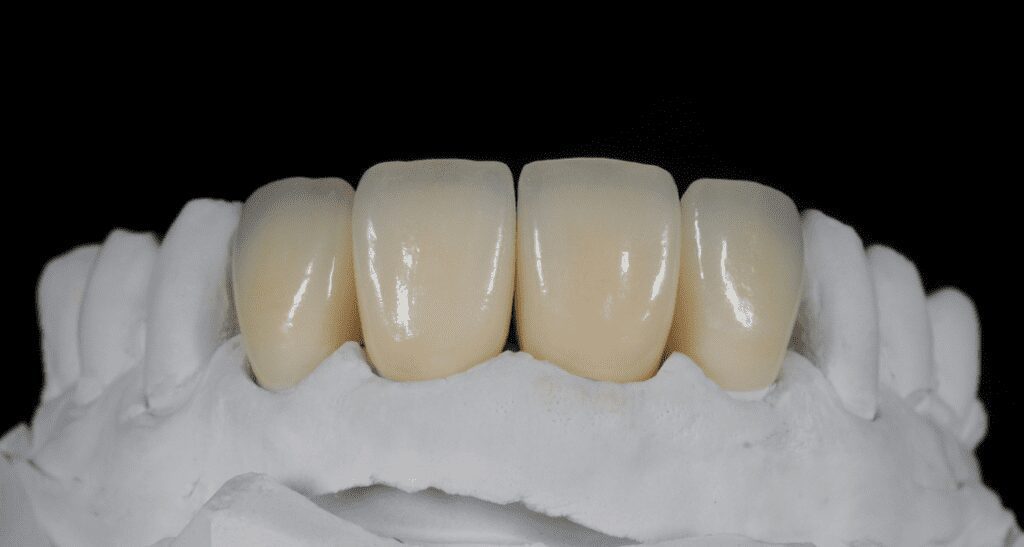
Crowns are one of the most popular dental restoration procedures. A Permanent crown is a full-coverage cap that surrounds an entire tooth. The goal, unlike veneers, is not just to make it look nicer, but to actually protect the tooth from breaking down further because of decay, cracks or big restorations.
Dental crowns come into play when a tooth needs to handle the real forces of chewing again, and that matters way more on your back teeth, but can be a consideration for front teeth too, depending on your bite and tooth condition.
Materials Used in Crown Placement: What Matters
You’ll often see a list of crown materials in a treatment plan. Zirconia, porcelain, and ceramic crowns are the most common materials used, but the right one depends on where the tooth is, how you bite and what you’re after aesthetically, because it’s usually a case of ‘strength vs beauty’.
- Ceramic Crowns: a popular choice for a natural look, especially on the front teeth
- Zirconia: known for its strength, often used where there’s higher bite pressure
- Porcelain-fused-to-metal (PFM) or metal crowns: still used in certain cases
A reputable dentist will explain why they’re recommending a particular material for your specific tooth, not just what’s currently popular.
The Differences That Really Matter
1) Coverage: It’s Not Just the Front Surface
Veneers cover the front of the tooth, but crowns cover the whole tooth, all the way around. That affects what problems each option can actually solve. In practical terms, the level of coverage really changes the goal.
If the tooth is healthy and you mainly want to spruce up the look, veneers might be enough. If the tooth is compromised and needs protection, a crown might be the way to go.
2) Tooth Preparation: How Much Gets Removed
Both options need some reshaping, and that change is permanent. Veneers get to focus on the front, but dental crowns usually require more reduction overall so the material can go all the way around the tooth.
The amount removed varies depending on the material, tooth position and your bite, and a good dentist will explain exactly what they’re removing and why.
3) Purpose: Cosmetic Makeover vs Rebuilding
Veneers are usually chosen when a tooth is healthy, but you want to change the look. Crowns are often chosen when a tooth needs protection or a stronger foundation.
Sometimes the best solution is a mix, like veneers on some front teeth for symmetry and a crown on a tooth with a big filling or crack.
Which One Do You Need? A Dentist’s Checklist
You Might Lean Veneer If…
Your tooth is basically healthy, but you dislike the colour or shape. You’ve got small chips, minor uneven edges or small gaps, and your dentist confirms there’s enough enamel for reliable veneer bonding.
You Might Lean Crown If…
The tooth has a large filling with barely any of its existing natural tooth structure left; there’s often a crack or heavy wear, or the tooth has had a root canal and desperately needs some extra protection. Significant decay and breakdown often mean you’ll be pointed very strongly toward crowns.
Red Flags: Get a Doctor to Take a Gander First, Then Make a Decision
If you spot any of these symptoms, don’t just pick veneers or crowns based on photos alone. You need to see a dentist first.
- Tooth pain when you chew or bite
- Lumps, pimple-like bumps on your gums, or lingering sensitivity
- Known decay, old fillings that keep failing, or gum bleeding that won’t go away
- A history of serious grinding, especially with chipped edges
These signs don’t automatically mean “no veneers” or “you have to get a crown”. What it means is that you should start with a diagnosis, then design, because getting a proper diagnosis before deciding what treatment you need is the safest way to go.
Longevity and What Takes a Bite Out of Years
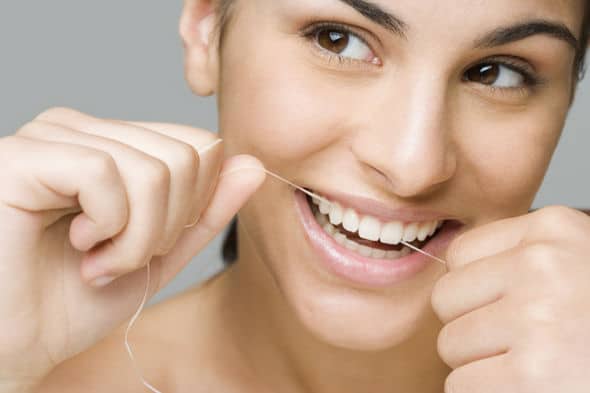
Both veneers and crowns can last for years, but neither is ever set-and-forget. Your habits and your bite are the biggest factors in how long they’ll last, so maintenance really matters.
What tends to chop years off the lifespan of your restoration includes grinding or clenching, skimping on flossing around the margins, using your teeth as tools, hard foods like ice, and having a bite that’s a little off, so one tooth takes way too much force.
If you’re a grinder, a night guard really isn’t a luxury item; it’s protection, and it can be the difference between a restoration that holds up for a decade and one that chips out early.
Repairs also play out very differently. You’re able to polish or patch composite veneers sometimes, but if a porcelain veneer chips, then you might need to replace it; it depends on the size of the chip. Crowns, on the other hand, can sometimes be adjusted or re-cemented. If problems keep coming back, fix the underlying cause before you replace the work.
What the Appointments Typically Look Like
A good process is all about cutting down on pain, surprises, and billing confusion. What it starts with is a diagnosis and a plan that makes sense to you, because a clear plan reduces surprises.
For veneers, a lot of times it’s a two-visit process: plan and prep (if needed), then try-in and bonding with a bite check, and that’s usually enough for straightforward cases.
For crowns, it’s also often a two-visit process: prep and a temporary crown, then a fit check, a bite adjustment, and cementation. Having a temporary crown is perfectly normal during the wait period.
Cost Reality Check: Why Estimates Vary Wildly
It’s tempting to compare veneers vs crowns by price alone, but trust us, two “veneers” can be very different treatments once you factor in the condition of your tooth and lab work.
What usually drives up the cost includes material choice, how much prep work is needed, whether the tooth needs some build-up first, lab steps like getting a good match on the shade, and how many teeth are involved.
Dental insurance often covers crowns more often when they’re medically necessary, because they restore function and protect compromised teeth for good reasons. Veneers are usually considered cosmetic and aren’t usually covered by dental insurance.
Planning Treatment in Los Algodones Without Winging It
Los Algodones is a popular choice because border access is easy and the town is built around dental care, so many patients just park on the US side, cross on foot, and walk a few blocks to their appointments. Between visits, life is easy with coffee, small markets, and short walks.
To reduce uncertainty, start with a virtual review when possible. Share recent X-rays, photos, and any existing plan so you can hear whether your case looks like veneers, crowns, or a bit of both.
Questions to Ask Any Clinic
These questions protect you, no matter where you get care. The right questions can save you money and reduce regret.
- Who is diagnosing and planning the case, and who’s doing the final bonding or cementation
- What material is recommended for my tooth, and why
- How will you check and adjust my bite after the placement
- Can you give me a detailed estimate and aftercare instructions
At Dental Solutions Algodones (DSA), we’ve got many cosmetic dentistry professionals who have decades of experience working with both Veneers and Crowns. We also do a Free Virtual Diagnostic and use top-end tech like CAD/CAM and treatment planning software for accurate imaging, so our international patients who are thinking of coming down for a short trip can pre-review their treatment and save time and money.
FAQ: Veneers vs Crowns
Do Crowns Chisel More Tooth Enamel Than Veneers
Usually, yes, because crowns wrap the entire tooth surface and need room to fit all around. Veneers often focus on the front surface and can be more conservative depending on the case.
Can You Mix Veneers and Crowns in the Same Smile
Absolutely. Veneers can handle cosmetic refinement on healthier teeth, while crowns protect teeth that are weaker or more heavily restored. In smile design, mixing and matching is normal.
Which Looks More Natural
Either can look very natural when you get the existing tooth’s shade, shape, and bite right. Material choice and design detail matter way more than what you call it.
How Long Do They Last
Both can last for years with good hygiene and bite protection. Grinding, poor flossing, and hard biting habits will shorten the lifespan of either.
Are Veneers Reversible
Ordinarily, but when you’re looking for a conservative option, you’ve still got to be prepared for some permanent enamel reshaping; it’s all part of the process. That’s why getting a clear idea of what your other options are is crucial, so make sure your consultation covers the likelihood of alternatives such as bonding, whitening or even orthodontics making more sense for you.
Get A Clear Head on Veneers vs Crowns Without Faffing About
When you’re deliberating between veneers and crowns, the first thing to do is get a proper diagnosis and a clear-as-day comparison of the two. Be sure to share any relevant photos and recent X-rays, then ask for an estimate that lays out both options when it’s called for, because, let’s be honest, working out the details helps you get a clear picture in your head.