
Millions of people have jumped ship to vaping, thinking it’s a safer alternative to smoking cigarettes, but the big question remains: does vaping stain teeth? The short answer is yes, it does. The good news is vaping devices don’t produce the same kind of heavy tar that traditional cigarettes do, but they still chuck out nicotine, flavourings, and other chemicals that can gradually change the colour of your smile and do some serious damage to your dental health.
What is vaping and how do e-cigarettes work?
When we talk about vaping, we’re generally referring to inhaling the stuff that comes out of an e-cigarette device; that’s when a liquid is heated up by a battery rather than burnt like in a traditional cigarette.
Now these vaping devices come in loads of different forms: vape pens, pod systems, box mods, and disposables. They all pretty much work the same way: a battery-powered coil heats the vape liquid up into an inhalable mist. Lots of the stuff in vape juice is pretty standard: nicotine, propylene glycol, vegetable glycerin, flavourings, and sometimes colouring and sweeteners too.
But that mist isn’t just harmless water vapour; every puff delivers a load of nicotine and possibly some potentially harmful chemicals right onto your teeth, gums and soft tissues. Now, unlike traditional cigarettes that burn tobacco to produce tar-heavy smoke, e-cigarettes produce a chemical-laden mist. This difference between smoking and vaping is what we’re going to explore in the rest of this article.
So, does vaping stain your teeth or not?
Yes, vaping can make your teeth look yellow or dull, but usually not as badly as smoking. Stains from vaping can build up over time because of the nicotine and flavouring compounds that can cling onto the surface of your teeth.
Nicotine in e-liquids can turn yellow when it’s exposed to oxygen in your mouth; these oxidised compounds then stick onto your teeth and can make them look even more discoloured. Vaping can make your teeth look stained over time, particularly around the gum line and in between your teeth where brushing can’t quite reach.
Coloured e-liquids, like coffee, cola or dessert flavour, can make things even worse by adding extra pigments to your teeth. If you’re already going to be a bit stained anyway, or if you’ve got thin tooth enamel or you’re not that great at brushing your teeth, you’ll probably notice any staining from vaping a lot sooner.
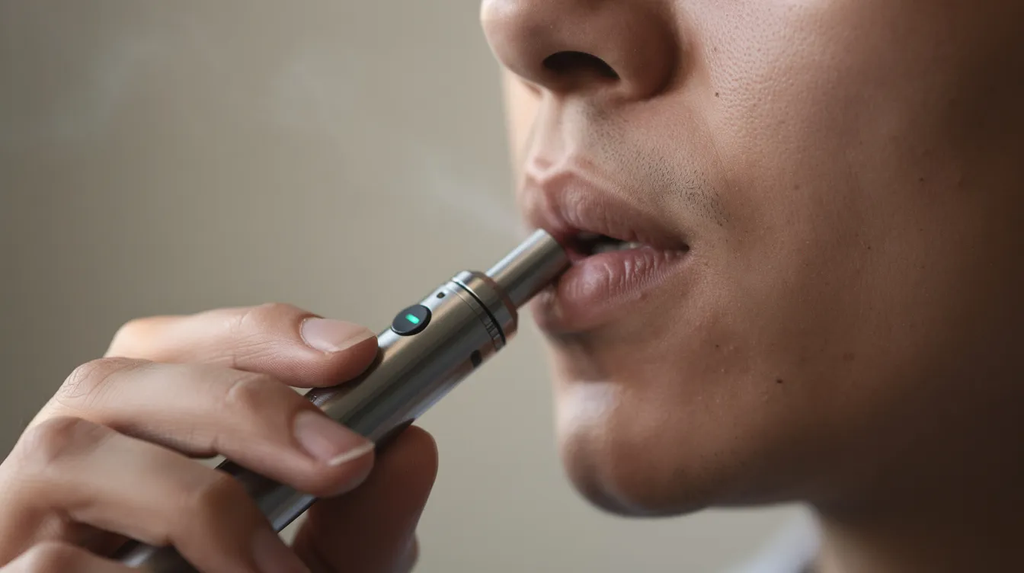
Beyond Stains: Overall Oral Health’s Vaping Risks
The problem goes a lot deeper than just stains on your teeth. The risks to your oral health are a lot more serious than that.
For a start, vaping tends to reduce saliva production; that’s a problem because saliva helps to clean your teeth, wash away sugars, and help to remineralise your enamel. When you’ve got less saliva, you’ve got a higher risk of cavities, tooth decay, and all sorts of other oral health problems. It also means you’ll probably get a lot more bad breath and mouth sores.
Nicotine in vape juice can also cause gum recession and inflammation; that’s a big deal because it slows down healing and can eventually lead to gum disease and tooth loss.
Sweetened or acidic e-liquids can actually encourage the harmful bacteria in your mouth to grow and multiply, making it even more likely that you’ll get tooth decay, mouth sores, and gum infection. And because you’re likely to have less saliva and more plaque building up, you’ll probably get a lot more bad breath too.
All these oral health problems are a big deal, especially if you’ve got crowns, bridges, or dental implants. Gum inflammation can cause problems with your dental work, and dry mouth makes complications more likely around your implants.
Vaping puts you at a much higher risk of developing dental issues like:
- Increased cavity risk
- Gum and throat irritation
- Chronic bad breath
- Residue on dental appliances
- Dental sensitivity
- Mouth ulcers
The best thing to do is quit smoking altogether.
Traditional Smoking or Vaping: Which Is Worse for Teeth?
Smokey old cigarettes cause a lot more severe staining than vaping does, but that doesn’t mean vaping is safe for your teeth. Both smoking and vaping are a big no-no for oral health.
Smoking delivers tar and smoke particles that embed deep into your enamel and leave it looking like a right mess, and those smokers are also at a higher risk of gum disease, tooth loss, oral cancer, and all sorts of other nasty things. Vaping doesn’t produce the same kind of tar that causes all that staining, so the discoloration tends to build up a bit more slowly and not as badly.
However, both smoking and vaping expose your mouth to nicotine, which reduces blood flow to your gums and slows down healing after dental procedures. The long-term effects of vaping on your teeth are still not that well understood because vaping is still a pretty new phenomenon compared to how long we’ve been studying smoking.
Switching from cigarettes to e-cigarettes might reduce the staining and tar exposure, but it’s still not a free pass for your dental health.
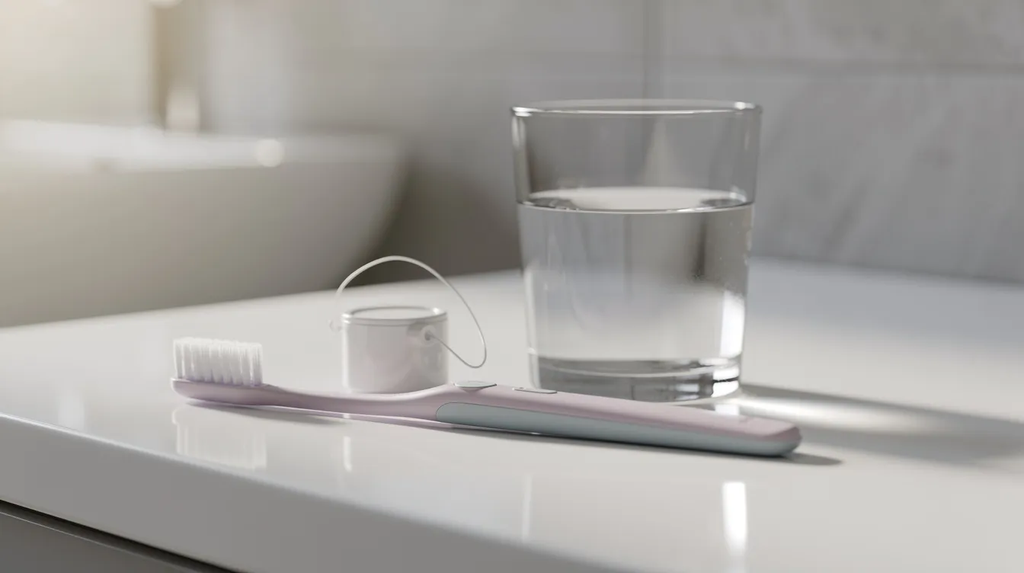
How to Protect Your Teeth if You Vape
You don’t have to quit vaping just yet. If you do vape, here are a few proactive steps you can take to keep your teeth in good nick, maintain a healthy smile, and protect your dental care investment:
- Cuttin’ back on vaping: The fewer times you vape, the less of those nasty chemicals you’re exposing yourself to. If you’re serious about quitting, don’t be afraid to reach out to a healthcare professional for the most effective way of quitting.
- Get your teeth brushed twice a day with a fluoride toothpaste and floss regularly like your life depends on it to keep that plaque and stain buildup under control, especially near the gum line. Good oral hygiene practices are essential, so please, for goodness sake, get in the habit of proper brushing.
- Give your mouth a rinse with some water after vaping to wash away all the gunk you just inhaled. Don’t forget to drink plenty of water throughout the day to stay hydrated; it’ll help a lot.
- Go for lighter flavours: Look for lighter flavours if you want to keep your teeth from getting stained up like a dark coffee cup. Avoid smoking coffee, tea, red wine, and cola too; that just adds insult to injury with all the dark colours.
- Visit your dentist regularly: Schedule those dental appointments every six months for a professional clean and to catch any early tooth decay, gum problems, or any other damage caused by the habit before they become a major issue.
- Double the care for restorations: If you have a dental implant, a crown, or a bridge, then you need to be especially careful. Vaping can really increase the risk of complications in these areas; dry mouth and plaque are a nasty combination, so just keep with regular brushing and flossing as if your life depended on it.
Can teeth whitening really fix vaping stains?
The thing is, whitening can do a lot of good for the appearance of your stained teeth after all that vaping, but only if you stop vaping or at least cut back real bad. If you just keep on vaping, you’ll just be re-staining your teeth all over again, and it’ll be like starting from scratch.
Now, mild surface stains are usually pretty easy to get rid of with some whitening toothpaste or over-the-counter strips. But more stubborn stains that’ve been building up for months? That’s when a professional whitening session comes in handy, with a dentist to supervise.
But don’t go thinking that whitening is a magic solution. There are limits to how far it can go, especially if you’re one of those people with super sensitive teeth, gum disease, or a bunch of restorations. And did you know that whitening can’t even get crowns or composite fillings looking as good as natural enamel.
FAQ: Vaping, Teeth Stains, and Oral Health
How long does it take for vaping to start staining teeth?
Occasional vaping may take months or years to cause noticeable discoloration. Heavy e-cigarette use can lead to visible yellowing within 6 to 12 months, especially when combined with coffee, tea, or poor oral hygiene.
Do nicotine-free vapes still stain teeth?
Yes. While nicotine-free vapes may stain less, ingredients such as propylene glycol and vegetable glycerin can promote dry mouth and plaque buildup, increasing the risk of tooth discoloration. The vaping effect on your teeth is reduced, not eliminated.
Is vaping safe after getting dental implants or other major dental work?
No. Vaping can slow healing after dental implants and irritate gums around implants, crowns, and bridges. Maintain good oral hygiene and go to your regular dental visits; this is essential to protect your dental work.
Does brushing right after vaping help prevent stains?
Not immediately. Wait 15 to 20 minutes after vaping before brushing. Rinse with water first, then brush gently to help remove surface stains without damaging enamel.
Can I fully protect my oral health if I keep vaping but improve my dental care routine?
Good oral hygiene can lower the risks of staining and gum problems, but it cannot eliminate the effects of vaping. Reducing or quitting vaping altogether offers the greatest benefits for oral health, gum health, and stain prevention.